8 Healthy Habits to Improve Your Game in 2026
The new year is the perfect time to reset your approach to poker and build habits that will improve your game throughout 2026.
Mastering your poker mindset is key, as habits are the nuts! Why? Because they come from the subconscious mind, which has far superior processing power to the conscious mind. Imagine the poker player’s mind as a computer. Having too much going on can slow things down, but when information is learned so well that it becomes stored, that precious RAM (or conscious thought) is no longer required to utilise those concepts. Here are some habits that you should consider committing to your subconscious so that it’s almost impossible NOT to do them.
1. Ignore How Much You’re Up or Down
Results orientation lies at the heart of most types of tilt and wreaks havoc on the average player’s mental game. Start the year focusing on process, not results, and build mental resilience from day one. This poker sickness feeds off of the regular monitoring of short-term results, which simply don’t matter in poker. The habit of never looking at your bankroll or tracking software graphs in the short-term helps you to remain objective and focussed on the choices at hand.
Mental Game Tip
Detach your emotions from the short-term graph. Mental resilience in 2026 is built on the habit of radical objectivity – measure your success by the quality of your decisions, not the size of the pot you just won.
2. Review Your Sessions Shortly Afterwards
With hand review, and when to do it, there is a definite sweet spot. On the one hand, you don’t want to jump into hand review when you’re still reeling from the outcome of a hand or frazzled from a long session. On the other hand, you don’t want to leave hand review for so long that you no longer remember your thought processes at the time. The thoughts you had during the hand are typical of your actual thought process at the table and so scrutinising them and finding improvements is a sure way to get better. Regular hand review bridges the gap nicely between concepts learned and concepts applied, which is essential for improving your poker game.
3. Hands Off the Mouse in Big Pots
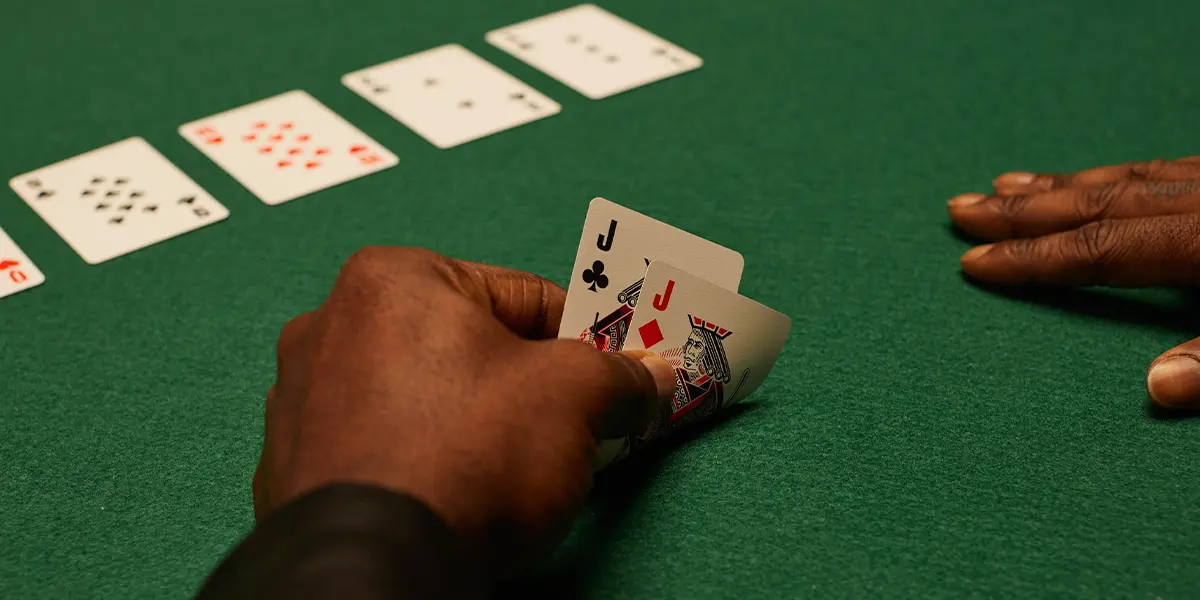
This nifty little habit protects us from making instinctive calls, shoves, folds etc. before we’ve had time to process the full nature of the situation. Instant clicks cost a lot of money, even in small pots, but the big pot is typically where adrenaline levels start to increase, and this may give rise to a fight or flight instinct trying to take over the mind. Let your emotions return to normal for a few seconds before thinking through the spot. Only then should clicking a button be allowed, time bank permitting, of course.
4. If in Doubt, 3-Bet Rather than Call
Calling an open allows the players behind to squeeze us out of pots and forces us to realize our equity multi-way, where our hand strength diminishes. Entering the pot for a 3-Bet will often enable us to win the pot immediately and will make the players behind think twice before coming along, even with some fairly strong holdings. To make calling an open from the HJ, CO, BU, or SB sensible, have a specific reason – otherwise, default to 3-Betting, which is likely higher EV and improves your long-term win rate.
Pro Tip
When in doubt, take the aggressive line. Defaulting to a 3-bet simplifies your game, increases your immediate fold equity, and prevents opponents from easily realizing their equity against you.
5. Do Not Play when Exhausted, Hungry or Stressed
Some winning players would actually be losers if you looked only at sessions they played while in one of these three sub-optimal states. Exhaustion leads to sloppy play and missing key details. Hunger can cause irritability and a lack of patience. Stress is likely to magnify all of the mental game issues normally suffered from, causing a much more profound impact on your win-rate. Try to manage your life so that you take a break between work and poker; eat dinner and allow time for digestion before playing and be aware of your stress levels before opening up a session. It is possible to spend poker time in other ways than putting in volume at the tables. Videos, podcasts, and streams could be an excellent way to spend poker time when in one of these three states, where playing is likely to end badly. As the new year begins, make a commitment to play only when you are well-rested, fed, and calm.
6. Scan the Table Before You Act Pre-Flop
Scanning is nothing more than a skim read of the player types behind you. This is mandatory if you want to improve your edge in Zoom games where the line up changes with every hand. Scanning allows us to find looser open raises than we might normally get away with; and notice non-standard stack sizes who might shove over us, significantly changing our opening range and lowering our sizing. Scanning also enables us to avoid marginal opens on tables with a lot of light 3-bettors still to act.

7. Practice Hand Reading
A great way to go about honing your skills in this vital part of the game is to go through a hand you have recently played street by street and try to put your opponent on a rough range of hands. Which hands are more consistent or less consistent with his actions? How much air can he make it to the river with given the run-out and his player type? What does it usually mean in the population at the stakes you play when a regular takes this line? These questions and more will make you better at judging when you can exploit people by making big folds or big calls and will build your awareness of how your opponents are thinking about the game. The key to successful hand reading not to be too specific and assume things you cannot know, but also not to be too vague. ‘He might be bluffing me here’ is a useless vague statement and could be plain wrong if it is difficult for a tight player to reach the river with air in the first place. Building this skill will improve your poker instincts and decision-making, giving you an edge over your opponents.
Strategic Insight
Turn complex skills into subconscious habits. By automating routines like table scanning and hand reading, you free up mental “RAM” for high-level adjustments against your opponents.
8. Warm Up for a Session
Warming up is all about preparing the mind for battle. Just as an athlete might stretch or jog a little to get the blood pumping, we as poker players want to get the cogs turning in the right way before we sit down to play. Revising concepts that you already know and going over your notes from a hand review you did the day before are excellent ways to warm up. At the start of the year, establishing a consistent warm-up routine will set the tone for productive sessions throughout 2026.
Conclusion
Make 2026 your best poker year yet by committing to these healthy poker habits. Small, consistent improvements compound over time, and focusing on process rather than results will strengthen your mental game. Start the year right, stay disciplined, and build routines that give you an edge at the tables.

View Other Blogs