The Rules of Blackjack: How to Improve Your Play
Enjoy a game of blackjack? Well, why not learn how to make the most of your next online casino session at the virtual blackjack table by running over the rules of this popular casino game?
Why even play Blackjack?
Before we get started, why should you even consider playing blackjack? It might not be the first game you think of or usually play – but there are reasons why it should be. The game’s simplicity gives it a global appeal, lending itself to a massive player base at any juncture. The blend of luck and strategy makes it a perfect warm-up game for those going on to play another type or the main event for those who want a less strenuous online casino session.
The Structure, Objective and Rules of Blackjack
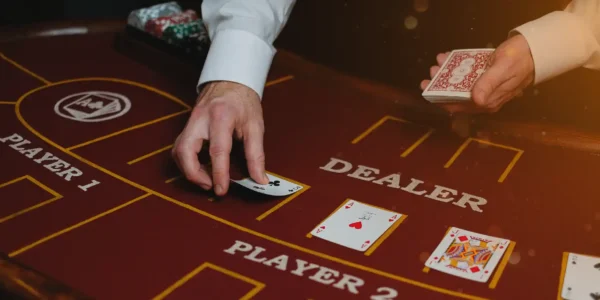
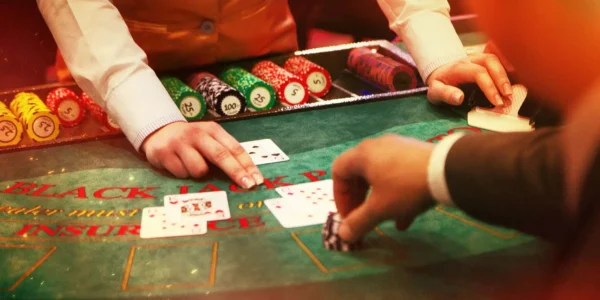
Blackjack is a game contested between a dealer and players on the other side of the table. It is important to remember that no matter how many players there are at the table, the game is between the dealer and each player individually. There’s no team element.
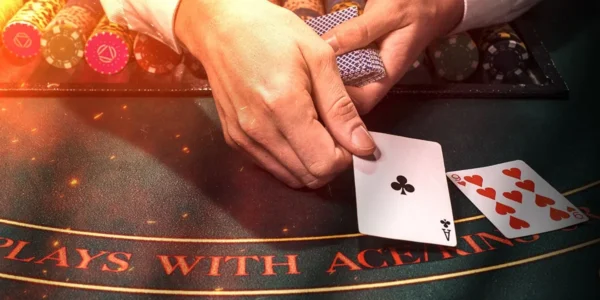
Bets are taken before a card is dealt. After placing these, each player is dealt two cards privately (only visible to themselves). The dealer then receives their cards and reveals one of theirs, face-up, visible to every player at the table.
Many people will state that the objective is to reach 21 in the hand value (if you’re unfamiliar with the card values, see below) – however, this isn’t technically true. Players need to beat the dealer’s value; whether that needs to be 21 or lower is irrelevant.
Upon seeing the cards, players then determine their following action:·
- ‘Stick’ or ‘stand’ – This is when a player is happy with the value of their cards. If a player has a high value of 21 or around that, they will choose this option.·
- ‘Hit’ or ‘twist’ – Players can obtain one if they believe they can improve their value with an additional card. This usually happens when a player has a low base value, i.e. a 2 and 4, with little chance of winning on a value of 6. Players will do this until they are content to stand on their total value.
- That is unless they go bust before. This is when the value of the player’s hand goes over 21. If a player gets 22 or higher, they immediately lose the bet. Even if the dealer goes on to bust, the player does not win or retain their money.
- Each player repeats this process until all have either stood or gone bust from the round.
Good to Know: The Card Values
Cards 2-10 are self-explanatory; they hold the value depicted. If you have a 2 and 3, you have a total value of 5.
The Face Cards: Jack, Queen, and King are all worth 10. Therefore, two Queens are worth 20.
Ace: 1 or 11 – The Ace is usually considered high or low, depending on the other cards in the hand. If a player has a 10 and an Ace, it’s worth 21. Equally, if a player has an 8, a 7 and an Ace, it’s worth 16 as the Ace becomes a 1 to prevent the player from going bust.
How About the Dealer?
So when each player is happy with their hand, what happens with the dealer? Their immediate action is to reveal their face-down card so everyone can see its value. The dealer will then repeat the same process as the other players, determining whether to stand or hit.
Usually, this is not the dealer’s choice but a pre-approved strategy from casino management. Dealers usually have a minimum value that they will stand on, typically 17 or 18. Some casinos even advertise on the table that the dealer stands on a specific value to attract players. This means that the dealer has the chance to beat some of the players and also go bust. After the dealer has taken their turn, all hands are revealed, and it is determined who has defeated the dealer and who has not.
What Happens in a Draw?
If a player and the dealer are tied on the same final value, the round is considered a draw, sometimes called a push or a tie. Depending on the casino or online casino rules, the original stake may be automatically entered into the next round or might be returned to the player.
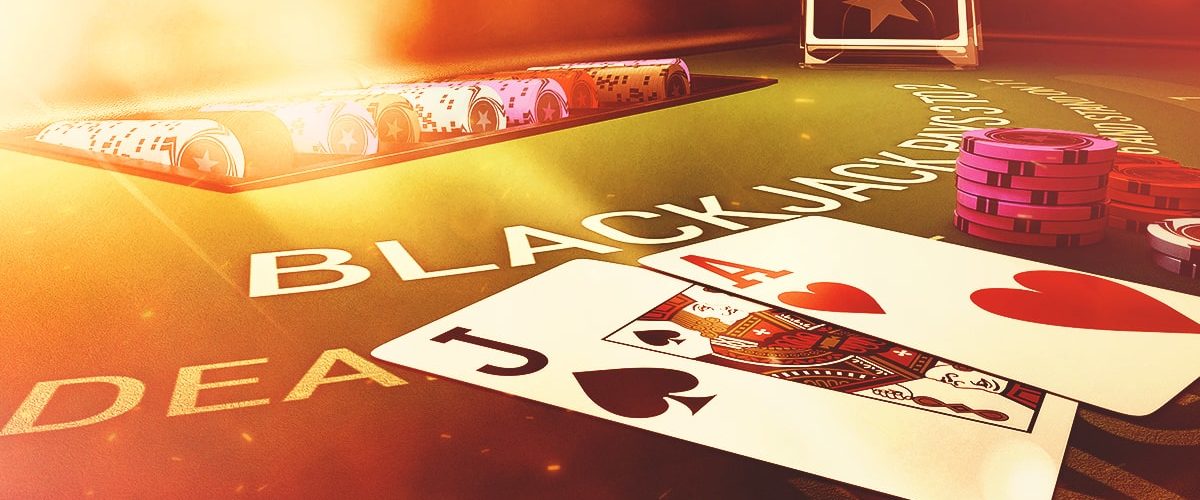
There is one exception, however. If they get blackjack (sometimes known as natural blackjack), it combines an Ace card and any other 10-value card. This trumps any other 21-value card combination, I.e., three 7s, etc. If the player and the dealer get a blackjack, it is considered a draw again.
Other Names for Blackjack
Blackjack goes by a few different names, depending on your locality. North Americans typically know the game as Blackjack or ‘21’, the number associated with the game’s objective. However, British readers may be more familiar with the moniker ‘Pontoon’, while French-speaking countries refer to the game as ‘Vingt-et-Un’, which is French for 21. These games play the same way as described.
Popular Variations of Blackjack
The original version of blackjack is the most popular; however, there are a few variations in online casinos and gaming venues worldwide. Here are some of the most pertinent versions:
- Spanish 21: Almost the same, but all ten cards are removed from the deck, making it less likely to draw a card with this value (face cards are left in).
- 31: Again, this version plays out the same way – but the target value is 31, and players only go bust when reaching 32 or over. Given the increased limit, this variation typically takes longer to play.
- Blackjack Switch: Each player is dealt two hands (on the table, visible to all players) – and the players can switch the top cards of each hand.

Top Content



Trending