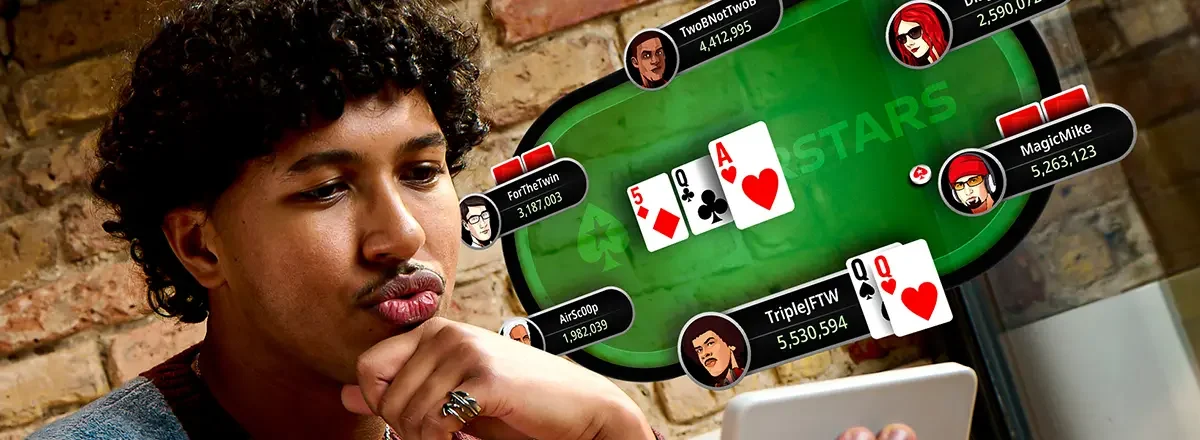
Poker Mindset: How to Think About the Game
Poker is a game of maths. It also takes emotional control and an intensely rational outlook to conquer the odds. It’s useful to be well versed in poker strategy, but unless you can consistently apply this knowledge at the tables it can be effectively useless.
That’s where the poker mindset comes in. If you want to succeed you need to think about poker in a way that ensures you play your best as often as possible.
The poker mindset is a complex subject, so much so that several popular books have been written on the topic. One recommended title is The Mental Game of Poker by Jared Tendler, which covers ideas such as handling variance and dealing with tilt.
This article will set you on the right track when it comes to developing your poker mindset.
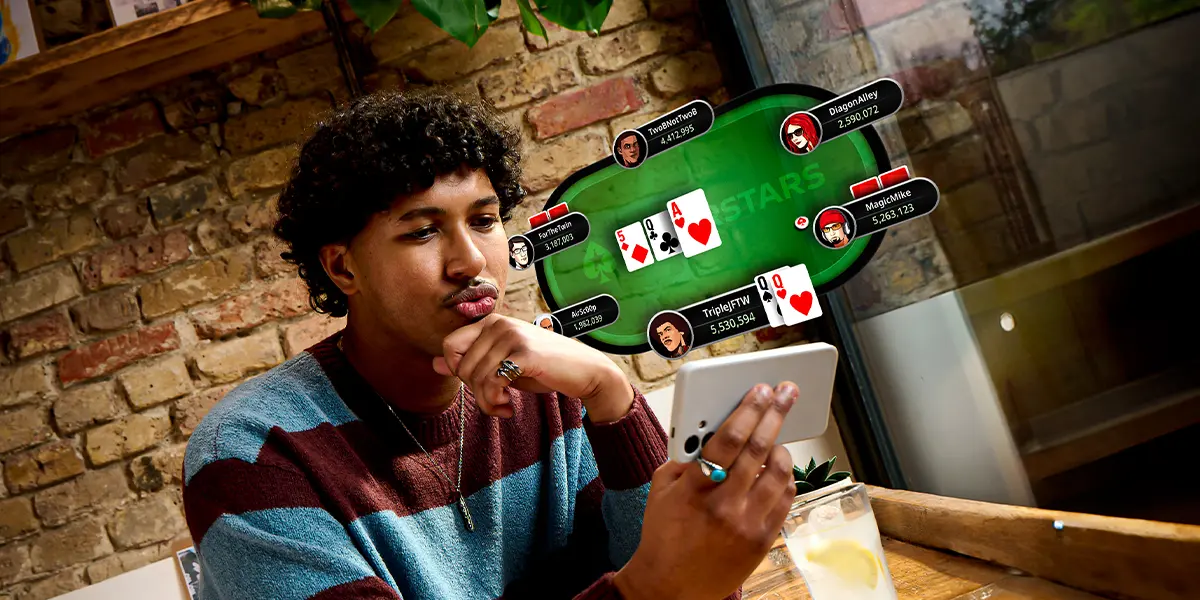
Understanding variance and thinking long term
The first consideration when it comes to the poker mindset is to grasp the concept of variance. This is a more accurate way of describing what beginners call “luck”.
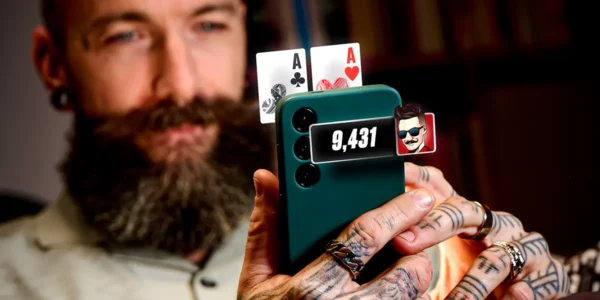
Poker is part skill and part chance. Even with the best starting hand, pocket aces, you can still lose a significant percentage of the time. Against a random hand, aces are a huge favourite, but they are far from guaranteed to win.
To make matters more frustrating, results rarely match expectations exactly, especially in the short term. Over a large enough sample, results tend to move closer to their expected values. But over dozens of hands, it’s possible that you’ll run bad and have your aces cracked more often than expected.
This creates a situation in which you can play well and still lose (or play badly and still win). Therefore, you can’t focus too much on short term results. You must focus only on playing the best poker possible given your knowledge.
Focusing on what you can control – the actions you take during the hand rather than the outcome – can help you make better decisions. It might also help you control your emotions when the cards don’t fall your way.
Long-term Focus
Focus on decisions, not outcomes.
Bringing your A-game
Given that you shouldn’t be focused on short-term results, what you should be looking at is bringing your A-game as often as possible. And then maintaining it throughout the session.
Everyone’s A-game looks different depending on the individual’s knowledge and experience level. What’s important here is that you continue to be present and bring that knowledge to the tables.
Treat every opponent with respect and think every hand through with a rational thought process. Weigh up all the factors before making your decision, and plan ahead for future streets.
Remember, it’s only possible to bring your A-game if you can shift your focus towards the long term.
When it comes to improving your poker strategy, a lot of the work is done off the tables. Do this by reading, watching videos, and analysing your own play after the session is over. This is how you improve. You then take this back to the tables and integrate it into your A-game.
Of course, nobody can be on their A-game at all times. So it helps to have a decent B-game. When playing your A-game, you can get creative and find the best spots. Your B-game should help you fall back on solid, disciplined decision-making until your A-game returns.
Understanding Tilt
Tilt is the name given to any emotional state that throws a poker player off their A-game. At its mildest, tilt can mean losing focus and making less disciplined decisions. At its worst, it involves wasting all your chips in a fit of anger.
There are many emotional states that are detrimental to your game. Some examples of tilt include:
- Losing a big pot and then throwing the rest of your chips away in subsequent pots
- Getting angry after a bad beat
- Losing confidence because of a longer downswing
- Getting distracted by internal chatter or external noise
- Playing when tired
There are many more. What you’ll notice here is that tilt can be much broader than getting angry over losing a pot.
You can reduce some types of tilt by controlling your environment. For example by turning off the TV and smartphone notifications, and only playing when you are feeling fresh and have the time and space to focus.
Other types of tilt, such as keeping cool during bad beats and downswings, require emotional control. One way to cultivate this is by thinking about the long term. By focusing on factors that you can control, you’ll become more immune to the statistical variance in poker.
Bankroll management is another way to keep tilt at bay. Play at stakes that are relatively low compared to your overall bankroll so that you can afford to play hundreds of those games. This way, a single loss will be less impactful.
Nothing beats experience when it comes to emotional control. The more you play and understand poker, the more you’ll be able to deal with the highs and lows.
Balancing life outside of poker
The poker mindset wouldn’t be complete without this final recommendation. No matter whether you are pro or just starting out, no matter how much you enjoy learning and playing the game, you have to balance poker with the rest of life.
That means exercise, proper diet, socialising, cleaning your home, pursuing other hobbies. All of these will help you to play better poker. You’re more likely to bring your A-game to the tables when the rest of your life is in order.


View Other Blogs