Can Casino Skills Help You at the Poker Table? A Fun Comparison
Poker and casino games often sit side by side, sharing the same space, the same atmosphere, and sometimes even the same players. Yet despite living under the same roof, they ask very different questions of the people who play them.
Poker is a contest against other players. It rewards observation, patience, timing, emotional control, discipline, and the ability to make decisions with incomplete information. Casino games, by contrast, are usually structured around fixed rules and established probabilities.
In blackjack, roulette, baccarat, or slots, the challenge is not to outthink an opponent sitting across from you, but to understand the rhythm and nature of the game itself.
So can casino skills help you at the poker table?
The short answer is yes, but usually in indirect ways. No amount of roulette spinning will suddenly turn someone into a tournament expert, and a lucky slot session will not prepare anyone for a tricky river decision. However, many habits developed in casino gaming can translate surprisingly well into poker.
Skills such as bankroll management, patience, composure, reading table atmosphere, understanding variance, and staying disciplined under pressure all have real value in both worlds.
This is a lighthearted look at where casino experience and poker skill overlap, and how time spent in one gaming environment can sometimes help in another.
Poker Is Its Own Game
Before giving too much credit to crossover skills, it is important to recognise that poker is unique.
Unlike most casino games, poker is shaped by human behaviour. You are not simply responding to cards or wheel spins. You are responding to other players, their decisions, their tendencies, and the story they are telling with their bets. You need to understand position, ranges, stack sizes, bluffing frequencies, and how opponents adjust to pressure.
That means poker requires a wider and more flexible skill set than most traditional casino games. You are solving strategic puzzles in real time while managing your own emotions and observing everyone else at the table.
So casino experience does not replace poker knowledge. It does not teach pot odds automatically or explain tournament strategy overnight. What it can do is build useful habits that make poker easier to learn and easier to play well.
Bankroll Management: A Skill That Travels Everywhere
If there is one lesson that transfers almost perfectly from casino gaming to poker, it is bankroll management.
Players who have experience in casino settings often understand the importance of budgeting. They know that entertainment funds should be separate from essential finances. They know that chasing losses usually creates bigger problems. They understand that one dramatic session should not define long-term behaviour.
In poker, bankroll management becomes even more important because results can fluctuate significantly over time. A strong player can lose in the short run. A weaker player can enjoy a hot streak. Because of this, successful poker players think in months and years rather than one emotional evening.
Someone who already respects limits, pacing, and sensible stakes often arrives at poker with a healthier mindset than someone who sees every session as a make-or-break event.
Patience: A Quiet Superpower
Poker contains more waiting than many newcomers expect. There are long stretches where folding is the correct decision. There are periods where premium hands never arrive. There are sessions where discipline matters more than action. For many players, boredom becomes the real opponent.
Casino players who are used to pacing often handle this better than expected. They understand that not every minute needs fireworks. They are comfortable with the idea that entertainment can come from atmosphere, rhythm, and process rather than constant drama.
That patience is valuable at the poker table. Many expensive mistakes come from impatience. Players enter weak pots because they feel left out. They bluff in poor spots because they want action. They call simply because folding feels dull.
The ability to wait calmly for stronger opportunities is one of poker’s most underrated strengths.
Emotional Control: Losing Well Matters
Every gaming environment tests emotional balance.
A blackjack bust, a roulette near-miss, or a slot bonus that falls short can all create frustration. Poker adds another layer because losses can feel more personal. You may make the right decision, get your chips in ahead, and still lose when the final card lands. That is where emotional control becomes priceless.
Players who have already learned not to overreact to short-term outcomes in casino settings often bring useful resilience to poker. They understand that variance exists. They understand that not every result reflects the quality of the decision. They understand that emotional reactions often lead to worse choices.
In poker, tilt is expensive. A bad beat hurts once. A bad reaction to it can hurt for hours. The ability to stay calm after disappointment is one of the most transferable gaming skills there is.
Understanding Variance
Variance is one of the most important concepts in both poker and casino gaming.
In simple terms, variance means that short-term results can differ wildly from long-term expectations. A roulette player may see red land five times in a row. A blackjack player may lose several hands despite making correct decisions. A poker player may play brilliantly and still lose multiple sessions in succession.
Players who understand variance tend to stay grounded. They do not panic after short downturns or become overconfident after quick success. They judge decisions by logic rather than by immediate outcome.
This mindset is extremely valuable in poker, where strong choices do not always receive instant rewards. Someone who already accepts short-term swings often adapts better than someone who expects justice every session.
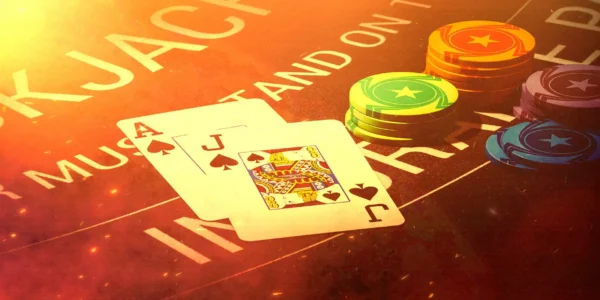
Blackjack and Poker: Closer Than They Look
Among traditional casino games, blackjack perhaps has the most natural relationship with poker thinking.
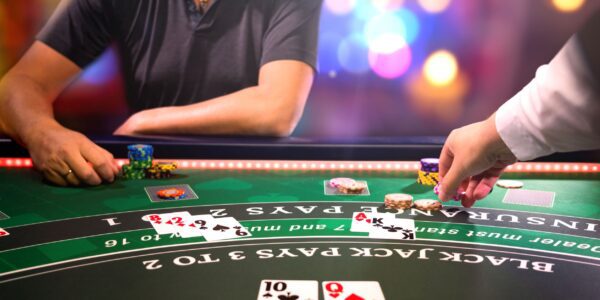
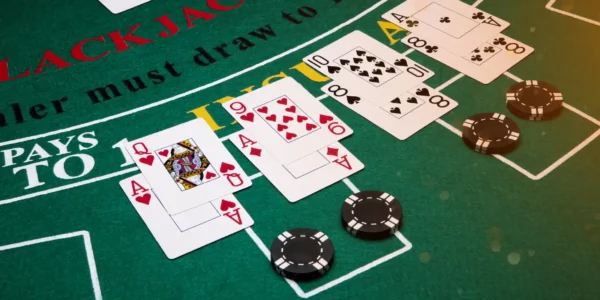
Blackjack rewards structured decisions. You assess your hand, the dealer’s visible card, and the available actions. You hit, stand, double, or split based on probability rather than emotion. Good blackjack habits involve consistency, discipline, and trusting sound decisions even when results disappoint. That framework resembles poker more than many people realise.
Poker also rewards structured thinking. You consider your hand, your opponent, the board, and the likely range of outcomes. You choose the action with the best long-term value, not necessarily the one that feels best emotionally.
Blackjack will not teach bluffing or tournament pressure, but it can help build respect for percentages and disciplined choices.
Roulette and Poker: Lessons in Myth-Busting
Roulette seems far removed from poker strategy, yet it teaches one useful lesson: beware false patterns.
Many roulette myths revolve around the idea that something is “due.” If red has landed five times in a row, some believe black must be next. If zero appeared recently, some assume it cannot return soon.
Poker players can fall into similar traps. They may believe they are “due” to win a flip, or that an opponent who bluffed recently cannot bluff again.
Both games reward players who stay logical rather than superstitious. Roulette also teaches acceptance of swings. Results come quickly, and emotional reactions help no one. That calmness can transfer nicely to poker.
Baccarat and the Power of Simplicity
Baccarat is elegant partly because it strips gaming down to simple decisions and clear structure.
Poker players can learn from that mindset. Many newer players overcomplicate the game. They attempt fancy bluffs against players who never fold. They make heroic calls because they want to feel clever. They create chaos where simplicity would be stronger.
Often the best poker approach is straightforward. Bet strong hands. Value weaker callers. Bluff selectively. Fold when beaten. Stay patient. Baccarat reminds us that complexity is not always sophistication.
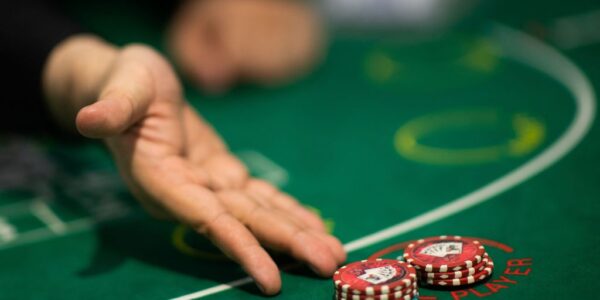
Reading the Room
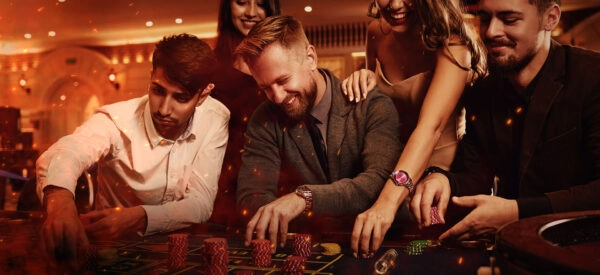
Anyone who spends time in casino environments often develops an awareness of atmosphere.
They notice which tables feel tense, which dealers move quickly, which players appear comfortable, and where emotions are rising. This general sensitivity to table rhythm becomes valuable in live poker.
Poker is full of subtle information. Some players speak more when nervous. Some act quickly when strong and slowly when weak. Some become reckless after losses. Some tighten up when money jumps.
Comfort in live environments allows players to notice these things rather than being overwhelmed by chips, noise, and conversation.
Social Confidence Matters
Many poker mistakes come not from strategy, but from discomfort. Some players feel intimidated by live settings. They worry about handling chips, speaking clearly, or being watched. That discomfort drains mental energy.
Players familiar with casino floors often arrive more relaxed. They know how tables operate. They are comfortable with public wins and losses. They are less likely to freeze under attention. When you feel natural in the environment, decision-making becomes easier.
Where Casino Skills Don’t Help Much
To be fair, there are limits to crossover value. Casino experience usually will not teach hand ranges, pot odds in depth, tournament ICM, advanced bluff construction, or multi-street bet sizing strategy. Those are poker-specific skills that require study and experience.
Good habits can support poker learning, but they cannot replace poker learning. That distinction matters. Confidence from other games is useful. Overconfidence can be expensive.
The Biggest Transfer Skill of All: Self-Control
If one skill stands above all others across every gaming format, it is self-control.
Can you stay calm after setbacks? Can you avoid chasing losses? Can you stay patient when bored? Can you remain humble when winning? Can you walk away when tired or frustrated?
Players with strong self-control often outperform more talented players who lack discipline. Poker rewards emotional steadiness over dramatic brilliance.
A Fun Example
Imagine two new poker players. The first has never played any casino game and treats every hand like an emergency. He overplays weak cards, reacts emotionally to losses, and changes style every orbit.
The second has spent time around casino games. She understands pacing, respects limits, accepts swings, and stays calm under pressure. Neither automatically knows poker strategy. But one begins with a stronger behavioural foundation.
That foundation matters more than many people realise.
Related Casino Articles



Final Thoughts
So, can casino skills help you at the poker table? Yes, but not in the magical sense some might hope.
Roulette will not solve river decisions. Slots will not teach three-bet ranges. Baccarat will not explain tournament endgame strategy.
What casino experience can do is something quieter and often more valuable. It can build patience, bankroll discipline, emotional control, comfort in gaming environments, respect for variance, and the ability to stay composed when things do not go your way.
Poker remains its own demanding and fascinating game. But if casino play has taught you calmness, discipline, and perspective, you may already possess tools that many poker beginners take years to develop. And if nothing else, you’ll know how to handle a dramatic turn of events with style. You can play poker and many other casino games at PokerStars Casino.
FAQs
Can blackjack improve poker skills?
Does roulette help poker strategy?
Are poker and casino games basically the same?
What skill transfers best from casino games to poker?
Can live casino experience help with live poker?
Is poker harder than most casino games?
Top Content

Trending