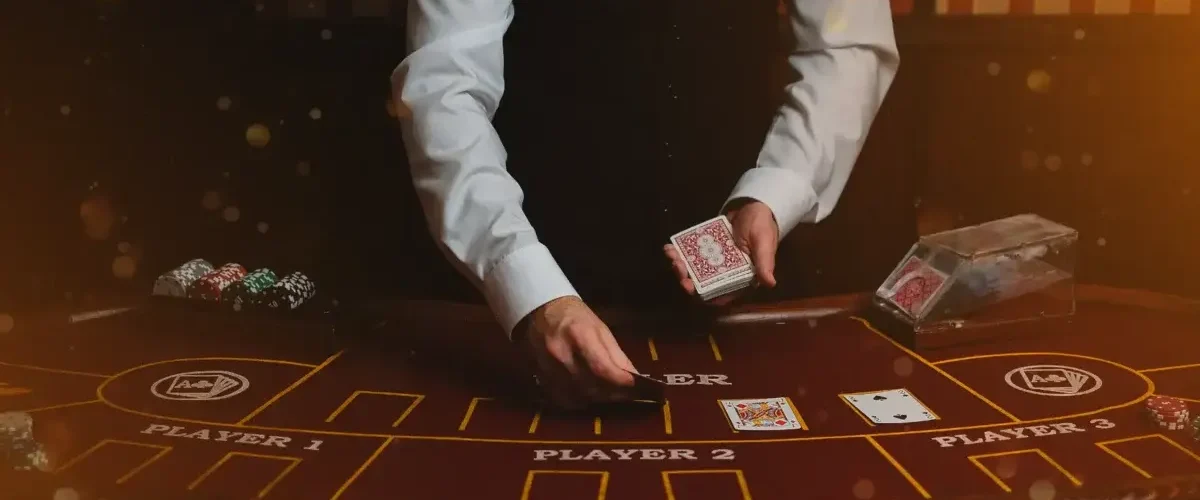
How to Practice Blackjack Strategy Before Playing Live Tables
Blackjack has remained one of the world’s most popular casino table games for good reason. It combines straightforward rules with meaningful choices, creating an experience that feels both accessible and rewarding. Unlike some casino games that rely almost entirely on chance, blackjack gives players decisions to make throughout the hand. Choosing whether to hit, stand, double, or split adds an extra layer of engagement that many players enjoy.
That same decision-making element can also make blackjack feel intimidating for newcomers. Watching a live table in action can seem fast-paced and unfamiliar. Cards are dealt quickly, players make instant choices, chips move around the felt, and the dealer keeps everything flowing smoothly. For someone learning the game, it can feel like everyone else knows exactly what they are doing.
The good news is that no one needs to jump straight into a busy live table. Blackjack strategy can be learned gradually, and modern online tools make practising easier than ever. Demo games, low-stakes tables, and live dealer formats all provide different stepping stones that help build confidence over time.
With the right approach, players can move from beginner uncertainty to calm decision-making at their own pace.
Why Practice Matters in Blackjack
Blackjack is often described as easy to learn and difficult to master. The basic objective is simple enough: get closer to 21 than the dealer without going over. Yet within that simplicity are repeated choices that shape each session.
Should you hit on 16? Should you stand on 12 when the dealer shows a weak card? Is this a good time to double down? Should you split a pair or keep the hand together?
At a live table, these decisions arrive quickly. Players who have never practised often feel rushed, and when people feel rushed, they tend to guess, hesitate, or make emotional choices.
Practising before joining live tables helps remove that pressure. Familiarity with common situations means decisions feel less dramatic. Confidence increases because you begin recognising patterns. Most importantly, practice allows you to enjoy the game rather than worry about every hand.
Preparation does not guarantee results, but it often creates a smoother and more enjoyable experience.
Begin With the Basics
Before thinking about charts or advanced strategy, it helps to feel fully comfortable with the core rules of blackjack.
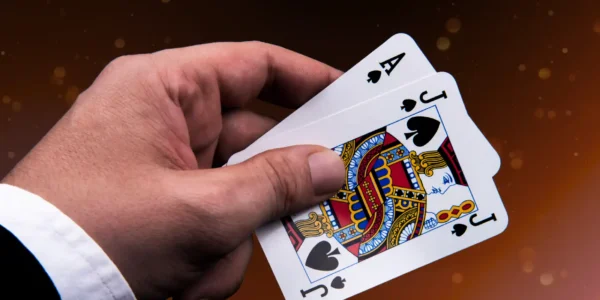
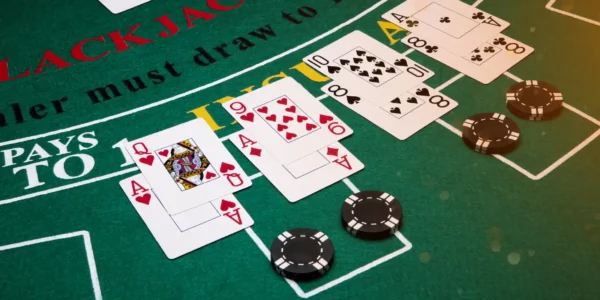
You should know that face cards count as ten, number cards count at face value, and aces can count as one or eleven depending on what benefits the hand most. You should understand that blackjack is an ace with any ten-value card as your first two cards, and that the goal is simply to beat the dealer without busting.
It is also useful to understand the dealer’s role. Dealers follow fixed house rules, often hitting until at least 17. This matters because much of blackjack strategy is built around the predictable behaviour of the dealer.
Once these fundamentals feel natural, strategy becomes far easier to learn. You are no longer translating the rules in real time, which leaves more mental space for decision-making.
Related Blackjack Articles

Use Demo Games to Build Confidence
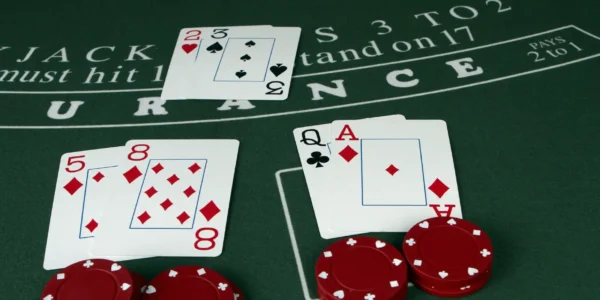
One of the best ways to learn blackjack today is through demo versions of digital games. Demo blackjack allows players to practise without risking real funds, which creates an ideal learning environment.
Without financial pressure, mistakes become useful rather than frustrating. If you stand when you should have hit, or split incorrectly, you simply learn and move on. That freedom makes demo games especially valuable for beginners.
Another major benefit is repetition. Demo play lets you encounter the same types of hands again and again. Over time, certain situations become familiar. You stop seeing every hand as brand new and start recognising common patterns.
The pace also works in your favour. Unlike a live table, demo games usually allow you to slow down, think, and process each decision without feeling watched or rushed. This makes them an excellent first step.
Learn Strategy in Manageable Stages
Many players hear the phrase “basic blackjack strategy” and imagine pages of impossible memorisation. In reality, strategy is much easier to absorb when broken into sections.
Start with hard totals. Hands without an ace are counted as eleven. Learn what to do with totals such as 12 through 17 against common dealer upcards. Once that feels comfortable, move to soft totals, where an ace gives the hand more flexibility.
After that, pair-splitting decisions can be introduced. Some pairs are often strong candidates for splitting, while others are usually better kept together.
Trying to memorise everything in one sitting can feel overwhelming. Learning in layers feels far more natural. With repetition, patterns begin to stick without forcing them.
Understand the Logic Behind Decisions
Memorisation can help, but understanding the reasoning behind common plays is even more powerful.
For example, if the dealer shows a weak upcard such as 4, 5, or 6, they are more likely to bust. That means standing with medium-strength totals often becomes stronger than taking unnecessary risks.
If you hold 11, you are one strong card away from a powerful hand, which is why doubling can be attractive in many situations.
If you have a pair of 8s, splitting can turn one awkward total into two separate opportunities.
When players understand the logic behind strategy, they recall decisions more easily and feel calmer under pressure.

Move to Low-Stakes Tables
Once demo play feels comfortable, low-stakes blackjack tables are a natural next step.
Even small real-money stakes create a different psychological experience. Decisions feel more meaningful. Wins feel more satisfying. Losses feel more real. This is valuable because it introduces the emotional side of blackjack in a controlled way.
Low-stakes play is not about chasing profit. It is about learning how you respond when money is involved. Do you stay disciplined after a loss? Do you become overconfident after a quick win? Do you stick to sensible decisions when the stakes feel real?
These lessons are easier to learn at modest stakes than in more intense environments.
Use Live Dealer Games as a Bridge
Live dealer blackjack can be an excellent stepping stone before visiting full live tables or busy casino-style environments.
These games combine online convenience with the realism of a real dealer handling cards in real time. There may be other players at the table, betting windows to follow, and a more authentic rhythm than standard blackjack.
For many learners, live dealer games provide the perfect middle ground. You experience real-time pace and atmosphere while still playing from a familiar setting.
Start with quieter tables or lower-stakes options. Focus first on comfort rather than perfect play. Learn the rhythm of the game. Notice how betting rounds open and close. Observe how quickly decisions are expected.
Once the environment itself feels normal, strategic decisions become easier.
Watch Before You Join
Observation is one of the most underrated ways to learn blackjack.
Before joining a live table, spend a few rounds simply watching. Notice how quickly the game moves. Observe how players act when they double or split. Watch how the dealer announces totals and handles the flow of the game.
This small step can remove a surprising amount of uncertainty. The more familiar the environment becomes, the less intimidating it feels once you sit down.
Build Good Habits Early
Blackjack strategy matters, but habits matter too.
Set a budget before each session. Decide how long you want to play. Avoid increasing stakes impulsively after losses. Take breaks if concentration drops.
Strong habits built early tend to last. They also make blackjack more enjoyable because sessions feel controlled rather than chaotic.
Many players focus so heavily on charts and decisions that they forget discipline is part of skill as well.
Avoid Beginner Pitfalls
A common mistake is rushing into bigger stakes too quickly. Confidence should come before ambition.
Another mistake is judging every decision by the result. A correct play can lose. A poor play can win. What matters is whether the choice made sense over time.
Some beginners also become distracted by advanced systems too early. Complicated progressions and myths can pull attention away from the fundamentals that matter most. Solid basics are more valuable than flashy shortcuts.
Short Sessions Work Well
Learning often improves through short, focused sessions rather than marathon grinds.
Fifteen or twenty minutes of concentrated practice several times a week can be more effective than one long session where focus fades. Regular repetition helps decisions become automatic over time. Consistency usually beats intensity.
Knowing When You’re Ready
You do not need to be perfect before trying live blackjack. You are probably ready when the rules feel automatic, common decisions no longer cause panic, and the environment feels exciting rather than intimidating. Confidence rarely appears all at once. It grows through participation.
Final Thoughts
Practising blackjack strategy before playing live tables is one of the smartest ways to improve confidence and enjoyment.
Start with the basics. Use demo games to build familiarity. Learn strategy gradually. Move to low-stakes games when ready. Then use live dealer formats to experience real-time rhythm and table atmosphere. There is no need to rush and no need to know everything immediately.
Blackjack is a game of repeated decisions, and repeated decisions become easier with repetition. The more familiar the situations feel, the calmer your choices become.
When you finally take your seat at a live table, you will not be relying on guesswork or nerves. You will be relying on preparation. You can play many blackjack tables at PokerStars Casino.
FAQs
Is demo blackjack useful for beginners?
Should I memorise the full strategy before playing live?
Are low-stakes tables good practice?
Is live dealer blackjack harder?
How long does it take to learn blackjack strategy?
What matters most for beginners?
Top Content



Trending