How Blackjack Hands Are Ranked
On PokerStars, online blackjack is built around one simple goal: get closer to 21 than the dealer without going over to win. While that may sound simple enough, blackjack ranking helps explain why some hands are stronger than others. There are many factors involved, including how each hand is counted, why some totals sit in a stronger position than others, and why two hands with the same value can still feel completely different.
Blackjack hands are not ranked by suits, colours or poker-style combinations. A pair of Kings doesn’t become more important because one is hearts and the other is spades. There are no flushes, straights or full houses to think about. In blackjack, the strength of a hand comes down to its total value. Card values, hard hands, soft hands, Aces, pairs, and dealer rules all shape how the game is played, whether in a physical venue or live dealer blackjack.
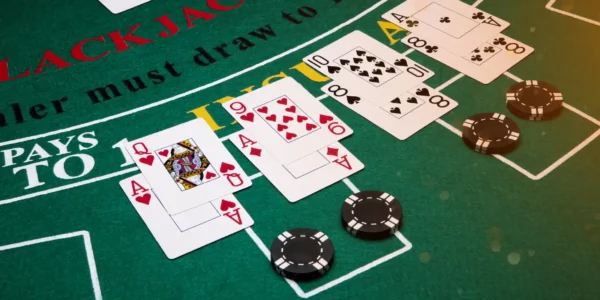
Basics of a Blackjack Hand
- Number cards from 2 to 10 are worth their face value. A 2 is worth 2, a 7 is worth 7, and a 10 is worth 10.
- Jacks, Queens and Kings are all worth 10.
- An Ace can be worth 1 or 11, depending on which value works for the hand.
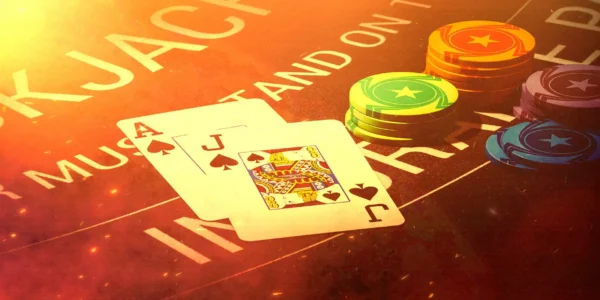
- Blackjack means an Ace plus a 10-value card as the first two cards.
- Bust means any hand total above 21.
- A push happens when the player and dealer finish on the same total, with the bet usually returned.
What Does a Blackjack Hand Ranking Mean?
A blackjack hand ranking is basically a way of reading how strong the hand is at that moment. The aim is to get as close to 21 as possible without going over. A hand that goes over 21 is bust. A hand that lands on 21 is at the top of the scale, although the way that 21 is made still matters. The strongest opening hand is natural blackjack. This is made with an Ace and any 10-value card, such as a 10, Jack, Queen or King, as the first two cards. It reaches 21 straight away and is normally treated differently from a 21 made with three or more cards.
A total of 20 is also very strong and only 21 can beat it. A total of 19 is strong too, although the dealer can still finish higher. From there, each lower total moves further away from the target, but there’s usually more space to draw another card without going bust. At this point, blackjack starts to feel a bit less straightforward. A hand of 11 isn’t close to 21 yet, but it has plenty of room. A hand of 16 is much closer, but it is far more awkward because many next cards would push it over the limit.
Card Values in Blackjack
Blackjack uses one of the most straightforward scoring systems in online casino, which is part of the reason why it’s one of the most popular titles on PokerStars. Number cards are worth exactly what they show (2 counts as 2, 6 counts as 6, etc.). Suits don’t change the value, and neither does the colour of the card. Face cards are just as simple. Jacks, Queens and Kings all count as 10. There are more 10-value cards in the deck than any other single value, because 10s and all three face cards sit in the same scoring group.
The Ace is the card that makes a blackjack hand ‘soft’ or ‘hard’. An Ace can count as 1 or 11, depending on which value keeps the hand from going bust. If counting the Ace as 11 would push the total over 21, it drops down to 1 instead to keep it in play. The flexibility gives Aces a useful job in PokerStars live dealer blackjack. An Ace can help create a natural blackjack, keep a hand soft, or become part of a hard hand once the total gets too high for the Ace to stay at 11.

The Best Ranked Hand: Natural Blackjack
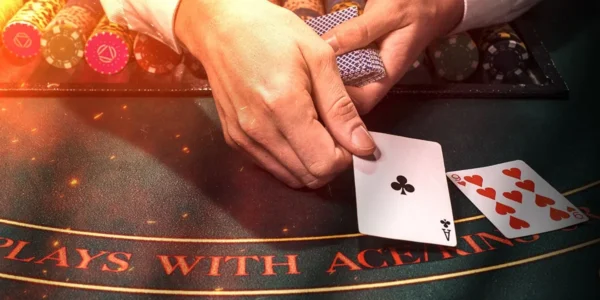
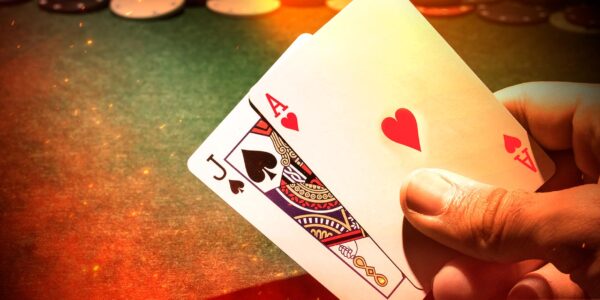
The best starting hand in blackjack is natural blackjack. This is an Ace and a 10-value card dealt as the first two cards. The 10-value card can be a 10, Jack, Queen or King. That opening two-card 21 is different from reaching 21 later in the hand. For example, Ace and King is blackjack. A hand made from 7, 4 and Queen also totals 21, but it is not usually treated as natural blackjack because it took three cards to get there. That small difference can affect the payout, as many blackjack tables pay natural blackjack differently, especially in live dealer formats, from a standard winning hand.
When it comes to basic blackjack ranking, natural blackjack sits right at the top. It reaches the target total straight away and leaves no room for the hand to get any better because it doesn’t need to. The only time it doesn’t lead to a settled win is when the dealer also has blackjack, which usually results in a push (typically, the bet is returned).
Strong Hands Close to 21
A total of 20 is about as comfortable as blackjack gets without having the natural. It might come from two 10-value cards, such as a Queen and a King, or a 10 and a Jack. It can also come from other card combinations that add up to the same total. Only 21 sits above it, so 20 is a strong hand in most situations, but it isn’t unbeatable. The dealer can still make 21, and blackjack always leaves room for the next card to change the round.
A total of 19 is also strong, although it gives the dealer a little more space to finish stronger. A total of 18 can be good but it depends more heavily on the situation. Against some dealer totals, 18 can also look steady, but against stronger dealer cards, it can feel less secure.
Related Blackjack Articles

Low Totals and Why They Are Not Always Bad
Low totals rank lower because they sit furthest away from 21. A hand of 5, 6, 7 or 8 is not strong by total value alone, which means it usually needs more cards before it can stand up against the dealer’s hand. With that said, low hands have one thing going for them: space. A hand of 8 cannot bust from one extra card. A hand of 11 cannot bust from one extra card either, because the highest-value card in blackjack is 10.
Because of this, low totals aren’t strong yet, but they still have room to grow. The next card can improve the hand without creating the same bust pressure found in the awkward middle totals. A low-ranked hand can sometimes feel less tense than a higher one. A total of 11 is far away from 21, but it has room to move. A total of 16 is closer to 21, but one awkward card can quickly send it over.
The Awkward Middle Ranks
Hands from 12 to 16 are usually the trickiest totals for new players to understand. They aren’t close enough to 21 to feel strong, but they are high enough that several next cards can cause the hand to go bust. Hard 16 is the classic uncomfortable total. It’s not miles away from 21, but it isn’t strong either. A 6 or higher would take it over the limit, while standing can still leave the hand vulnerable to many dealer totals. Hard 15 is very similar. There’s a little more room than 16, but not much. Hard 12, 13 and 14 have more room, although none of them are strong totals on their own.

Aces Can Be the Most Useful Cards
An Ace is one of the most flexible cards in blackjack. Paired with a 10-value card, it creates natural blackjack. With other hands it can count as 11 to make a soft total, then drop to 1 if the hand would otherwise go over 21. That shift can happen as more cards are dealt. For example, Ace and 5 starts as soft 16. If a 10-value card is then added, the total is still 16, but the hand has changed. The Ace now has to count as 1, which turns the hand from soft 16 into hard 16.
Hard Hands in Blackjack
A hard hand either has no Ace, or it has an Ace that must count as 1 because counting it as 11 would push the total over 21. A hand of 10 and 7 is a hard 17. There’s no Ace in the hand, so the value is locked at 17. A hand of Ace, 8 and 9 is a hard 18. The Ace cannot count as 11 because that would make the hand 28. So the Ace counts as 1, and the hand becomes a fixed total of 18.
Hard hands are easy to understand because the value cannot shift. The number shown is the number being played, which means there’s no flexibility left if another card pushes the total over 21. Low hard totals have more room, middle hard totals can be awkward, but higher hard totals such as 17, 18, 19 and 20 rank better because they sit closer to 21, but they can still be beaten by the dealer.
Soft Hands in Blackjack
A soft hand contains an Ace that can still count as 11 without the total going over 21. That Ace gives the hand more flexibility. For example, Ace and 6 can be counted as 7 or 17. This is known as soft 17. If another card is drawn and the hand would have otherwise gone over 21, the Ace can drop down to 1. That’s what makes the hand ‘soft’.
Soft hands matter because they don’t work like hard hands with the same total. A soft 17 is not the same as a hard 17. The soft version still has an Ace that can move but the hard version is fixed. The same goes for soft 18 and hard 18. Both can show the same total, but the shape of the hand is different. The soft hand has more movement because the Ace can still change value but the hard hand isn’t as flexible.
Pairs in Blackjack: How Splitting Works
Pairs add an extra layer to blackjack hand rankings in both land based and live dealer blackjack. A pair is made when the first two cards have the same value, such as two 8s, two Kings or two Aces. A pair can be played as one hand, but many tables also offer the option to split. Splitting separates the pair into two hands, with an extra bet placed for the second hand. Each hand is then played separately depending on the table rules.
A pair of 10-value cards makes 20, which is already one of the strongest non-blackjack totals. Splitting would turn that strong single hand into two separate hands starting from 10 each. A pair of 8s creates a very different situation because the total is 16, one of the most awkward hard hands in blackjack.
A pair of Aces is another special case. Each Ace can become the start of a separate hand, although split Aces usually come with limits, including on casino game platforms like PokerStars. Some only allow one extra card for each split Ace, while others treat a 10-value card added to a split Ace as 21 instead of a natural blackjack.

Dealer Hands and Why Understanding Is Important
Blackjack isn’t just about the player’s total. The hand is settled against the dealer, so theirs is just as important. In many PokerStars titles, the dealer must hit until reaching at least 17 in card value. Some casinos/platforms make the dealer hit on soft 17, while others make the dealer stand. A player hand of 16 isn’t just about the number on screen; it also depends on the dealer’s upcard and the rules of that table. The same total can feel different when the dealer is showing a low card compared with a 10-value card. Blackjack hands are ranked by value, but the end result is decided by comparing the player’s hand with the dealer’s hand once the round has finished.
Blackjack, 21 and Bust
There’s a big difference between blackjack, 21 and bust. Blackjack is an Ace and a 10-value card as the first two cards. It is often called a natural because the hand reaches 21 straight away. A regular 21 is any hand that reaches 21 with more than two cards. For example, 8, 3 and King makes 21. It is still a strong total, but it isn’t the same as a natural blackjack under most table rules.
Bust means the hand has gone over 21. Once a hand busts, it loses, regardless of what the dealer later does. So, 21 is the target, but not all 21s are exactly the same. A two-card blackjack usually has its own payout rules. A multi-card 21 is still strong, but it’s usually treated as a standard total of 21.
Pushes and Tied Hands
A push happens when the player and dealer finish on the same total. In many blackjack casino games, the bet is returned rather than settled as a win or loss. For example, if the player has 20 and the dealer also finishes on 20, the result is usually a push. If both the player and dealer have blackjack, that can also end in a push. Pushes are useful for beginners to understand because blackjack doesn’t always end with a win or loss; it sometimes just ends in a tie.

How PokerStars Shows Blackjack Hands
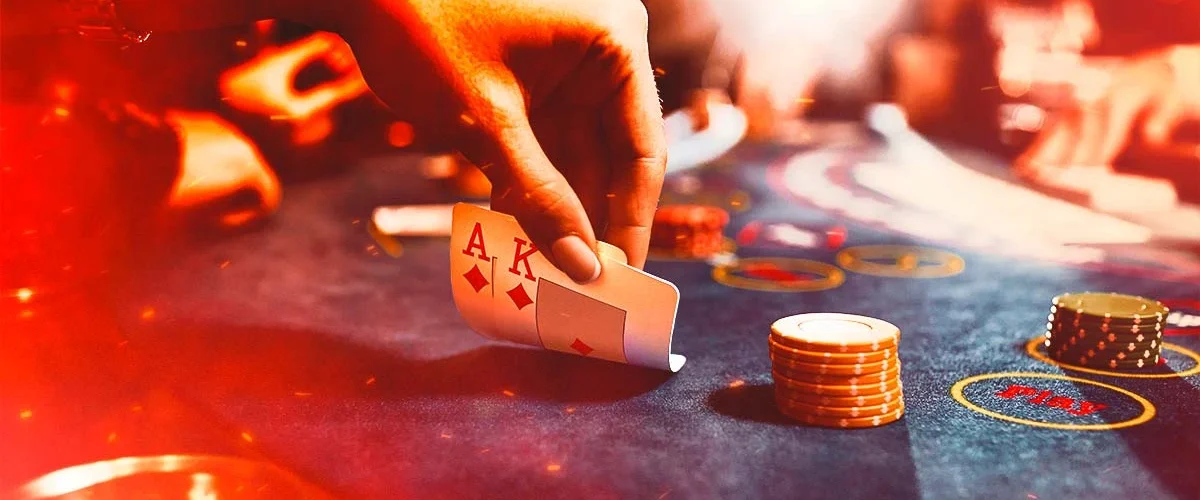
On PokerStars, RNG and live dealer blackjack games are designed to keep the key information easy to understand. The cards are visible, the hand total is shown on screen, and the player’s action options will pop up on the interface. The screen does most of the maths, which makes blackjack rankings easier to follow during a round. The player can see the cards, the total, the dealer’s upcard and any choices in one place. That helps with soft hands in particular. Any hand that has an Ace can shift as more cards are revealed, so the display shows how the hand is being counted at that moment.
Live casino games have another layer that helps players understand blackjack ranking. A real dealer is shown on camera, the cards are physically dealt and the cards and results are also instantly shown digitally on the interface. The result is still based on the cards and table rules, but the pace and feel are closer to a real casino table.
Why Can a Lower Hand Feel Better Than a Higher One?
A lower blackjack hand can sometimes feel better because it has more space before busting. A total of 11 ranks lower than 16, but it cannot bust from just one extra card. A hard 16 is closer to 21, but several next cards have the chance to take it over the limit. So blackjack hand rankings are not just about the number. The type of hand, Ace and the dealer’s upcard all matter. A higher total is usually stronger by value, but it isn’t always easier to play. A lower total may seem weaker, but it may have more room to get stronger.
Common Beginner Mistakes to Avoid on PokerStars
One common mistake players make on PokerStars is thinking every 21 is blackjack. On most tables, blackjack means a two-card 21 made with an Ace and a 10-value card. A three-card 21 is still a strong hand but it isn’t usually classed as natural blackjack. Another common mix-up is treating all Aces the same way. An Ace can be 1 or 11, but only when the hand can support that value. If counting the Ace as 11 would take the total over 21, the Ace must count as 1. Pairs can also cause a lot of confusion. A pair isn’t automatically better when split. Splitting changes the hand structure and usually adds another bet, so it should be treated as an extra option instead of a guarantee of better chances.

Final Thoughts: The Main Hand Ranks of Blackjack
Blackjack hands are ranked by the total value, with 21 as the goal and anything over becoming a bust. A natural blackjack is at the top of the blackjack ranking because it reaches 21 with the first two cards (an Ace and a 10-value card). Player hands like 20 and 19 are strong because they are already close to 21. Lower totals have more room to improve with more cards, while the middle values, such as hard 15 or 16, can be a little risky because another card can easily take it over 21.
The type of hand matters too. Hard hands have fixed values, soft hands use a flexible Ace, and pairs can open options of splitting. On PokerStars live dealer blackjack, these totals and options are shown clearly on the interface, making it easier for players to follow the hand as the cards are dealt.
FAQs
What is the best ranked hand in blackjack?
What is the difference between blackjack and 21?
What is a hard hand in blackjack?
What is a soft hand in blackjack?
Are pairs ranked differently in blackjack?
Top Content



Trending