Deck Choice in Blackjack: Single, Double, or Multiple-Deck Play
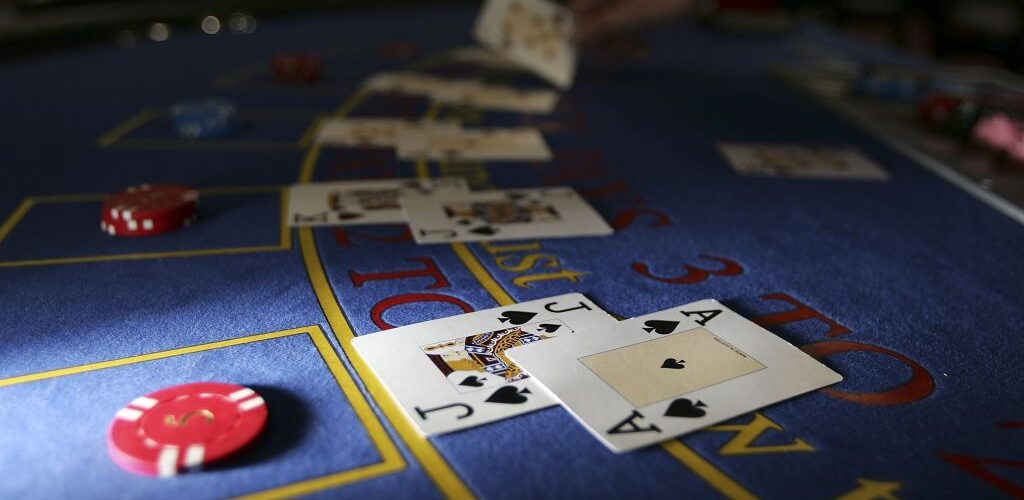
Blackjack is one of the most played card games in bricks and mortar casinos and online casino all around the world. An important component of a player’s blackjack strategy is choosing how many decks are used.
In Blackjack, the game can be dealt from a single deck up to eight or more decks. This single variable changes the strategic approach, the possibility of card counting, and the house’s edge. To make well-informed decisions and to improve the overall experience, players should understand the implications of deck count.

At any casino, whether it’s land-based, live dealer, or RNG online, you’ll find blackjack offered with various deck sizes. This one detail of single deck, double deck, or multi-deck (typically 4, 6, or 8) will change the math, the pace, and the strategy.
This guide will give you a clear and practical way to choose the right deck choice for your needs.
What changes with deck count?
House edge
When the number of decks increases, the probability of being dealt a natural blackjack drops slightly. The result is a small bump in the house edge as the decks increase. If it’s measured in percentage points, the difference from single deck to 6–8 decks is usually on the order of 0.2 to 0.3 points.
As a rule of thumb, the deck count tweaks the edge by tenths of a percent. The payout rules and dealer behaviour change it by full percentage points.
Strategy
Basic strategy also changes across single, double, and multi-deck show games, especially around hands like 12 vs 4, 16 vs 10, or soft doubles.
Playing pace
Single-deck heads-up blackjack can be lightning fast with a full 6-deck shoe and lots of players. The online games with auto-deal are also faster, with more expected hands per hour.
Counter-friendliness
Playing blackjack with fewer decks produces bigger and faster-moving counts with more high-EV opportunities per hundred hands. Suppose you are skilled enough to see deep card penetration and are able to spread your bets. However, playing games with more decks will dilute that effect, but they are more socially active and can be quite fun.
Single-deck blackjack
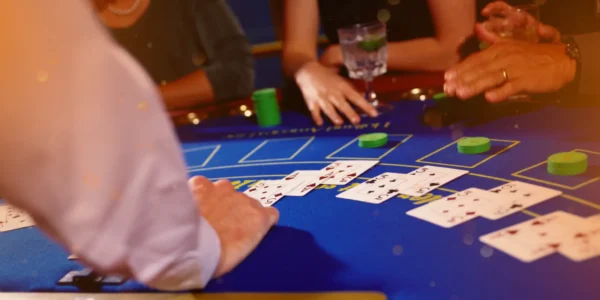
Some players like single-deck blackjack because it offers the lowest theoretical edge when the rules are fair. The classic single-deck game paying 3:2, etc, can be another choice for all players. The game also has sharper counts, the true count changes faster and positive situations can arise more frequently.
However, you can find that many modern single-deck blackjack tables pay 6:5 on blackjack or restrict doubling. This wipes out the deck-count benefit altogether. Playing heads-up on a single-deck game can have over 150 betting rounds per hour. Although it offers a great experience, it costs more to play per hour. But with a few players, the pace can slow and the game becomes more social. It’s also worth mentioning that single-deck blackjack games can have higher table minimums.
Double-deck blackjack
Double-deck blackjack has a lower edge than multi-deck shoe games while avoiding the rule downgrades of some single-deck tables. You will find that double after split is widely accepted on these tables.
The game is slower than the heads-up single-deck table but faster than a full 8-deck shoe. The double-deck tables are friendly for recreational players who want a good game without the ultra-fast pace.

Multi-deck shoe games (4, 6, or 8 decks)
These games are widely available with blackjack paying 3:2, double after split, and often late surrender rules. The blackjack games offer less heat for bigger spreads and longer dealing cycles. However, the blackjack games with more decks in play come with a slightly higher house edge than single or double-deck blackjack tables.
CSMs and RNG tables
Continuous Shuffle Machines games produce fresh decks on every hand and therefore eliminate meaningful penetration. This means players cannot count cards in these games, and the pace of the game increases.
RNG online blackjack games can be even faster than live blackjack games.
The math
- Expected loss per hand is the: house edge × average bet amount
- Expected loss per hour is the: house edge × Average bet amount × hands per hour
Here are some examples of blackjack edges for 3:2 games with the standard rules:
- Single-deck tables: 0.2% – 0.3% against a perfect basic strategy blackjack player.
- Double-deck: 0.3% – 0.4%.
- 6 to 8 decks: 0.45% – 0.60%.
- Any 6:5 game: 1.8% – 2.0%
These are ballpark numbers. The exact numbers will depend on the rules set and whether you play the perfect basic blackjack strategy.
Variance, swings, and bankroll
The standard deviation per hand differs only slightly across the number of decks in play when rules are comparable. The rules, such as late surrender, and the bet size, will impact the variance more than the deck count.
The number of hands per hour will impact how much variance you experience in a session. A single-deck heads-up session will have more swings in the same amount of time. If you split the total per round across multiple hands, you can reduce the variance per round because the results diversify. Although it’s worth remembering that all hands share the same dealer outcome.
For recreational players, the best experience comes from good rules, sensible bet sizing, and avoiding any side bets.
Strategy by deck count
You don’t need to remember three different blackjack charts, but you should know the points that change depending on decks and rules. Here are some plays to consider when it comes to strategy and deck count.
12 vs 4 and 12 vs 3: The single-deck game often nudges toward standing more than multi-deck does in this situation.
16 vs 10: If surrender is allowed, then that’s a potential option here. Otherwise, in some single-deck games, you’ll consider standing more frequently than in multi-deck games.
Soft doubles (A-2 to A-7): Single and double deck games can encourage some doubles that become hits in multi-deck tables.
9 vs 2, 9 vs 7: These can shift between double and hit across deck size.
11 vs Ace: Whether to double vs an Ace will depend on the soft or hard 17 rule and the deck count.
It’s always a good idea to use a strategy card or app that matches the table’s rules and deck counts. The expected value you keep by playing the right boxes soon dominates the theoretical edge gained from choosing from different deck size tables.
Table minimums and constraints
In single-deck blackjack games, it can sometimes carry higher minimums and fewer seats. Games with double deck sizes often sit in the sweet spot with low minimums and a social environment. Blackjack games with multiple decks are the most common tables, offering plenty of options when it comes to table limits, side bets, and available seats.
In most cases, you will only find the late surrender option on multi-deck blackjack games. If surrender matters to you, that alone can have an influence when deciding to whether to choose a multi-deck game over a single-deck without surrender.
Side bets
When it comes to blackjack most side bets carry house edges that are higher than the main game, often around 5% to 10%. If a player’s goal is to maximise value, then they should consider sticking to the main hand and avoid the side bets. If a player’s goal is entertainment, keeping the side-bet stakes sensible is something to consider.
Deck penetration in blackjack
The deck penetration refers to how many cards are dealt before a reshuffle. This matters to card counters. The deeper penetration allows counters to form a clearer picture of the remaining cards, increasing the accuracy of their counting and their overall advantage.
A shallow penetration undermines these calculations and reduces effectiveness. Casinos are aware of this and often use measures like early or frequent shuffles to hinder card counting opportunities.
Choosing a blackjack goal
I want the best value and the longest sessions.
First, consider looking for the rules that offer a 3:2 payout, soft 17, double after split, and late surrender. Among tables with those rules, consider picking the one with the fewest decks. You can also potentially prioritise a double-deck game with fair rules over a single-deck without the preferred rules. Lastly, you should consider whether the 6:5 payout suits your style.
I want smoother swings and less stress.
For this goal, you should consider keeping a modest bet size and consider tables with the surrender option. If permitted, you should consider splitting your total per round across two hands to potentially soften the hand variance. To slow the hand pace, pick busier tables or live-dealer tables over RNG tables.
I want action.
If you have the budget to play, then consider single-deck heads-up which can deliver speed. You should keep an eye on your hourly expected loss (edge × bet × hands per hour). Additionally, it’s always worth setting time-based and loss-based limits.
Common myths
Single-deck blackjack is always best.
This is only true if the rules are fair. A 6:5 single-deck game can be generally less advantageous than a 3:2 game with the soft 17, double after split and late surrender rules.
More decks make it impossible to win.
Given the nature of the game, a player can potentially do well short-term at any table. In the long term, more decks push the edge up a little, but the right rules and a sound strategy can offer a decent experience.
Deck choice changes everything about strategy.
In this case, it changes some plays but not the whole strategy. The biggest strategy swings come from soft 17 vs hard 17 and the surrender availability.
Tips for Beginners
Blackjack newcomers could start with games that use multiple decks and focus on learning basic strategy. Multiple decks make card counting less effective, which means players can concentrate more on playing without distractions. It’s crucial to become familiar with the rules and understand how various options—like insurance, splitting, and doubling down—work in different contexts. A solid command of basic strategy is essential before moving on to more complicated techniques.
Related Blackjack Articles
Final verdict
Choosing the number of decks in Blackjack is an important aspect that can alter the playing experience. With the basic strategy and advanced techniques, the deck count can impact the decision-making and the house edge.
Players of all levels should research and carefully evaluate which games to play, weighing up their skill level and the casino’s table rules, and the strategic approach.
Always remember to play responsibly and treat gambling as a form of entertainment, and never a way to make an income.
FAQ
Does the deck count change the blackjack side counts or indices?
What about multiple hands per round, does that impact the deck choice?

Top Content



Trending