How to Double Down in Blackjack: Rules and Strategy
Out of all the blackjack moves, one of the most misunderstood is the double down. It’s a decision that lets online casino players double their bet and get an extra card. But knowing when to do it, and more importantly, when to hold back, can be a massive part of blackjack strategy.
Whether it’s a casino floor or a live dealer game on PokerStars, the double down isn’t just about risking chips; it’s about reading the table, standing by the stats, and making the move when the moment feels right.
What Is “Double Down” in Blackjack?
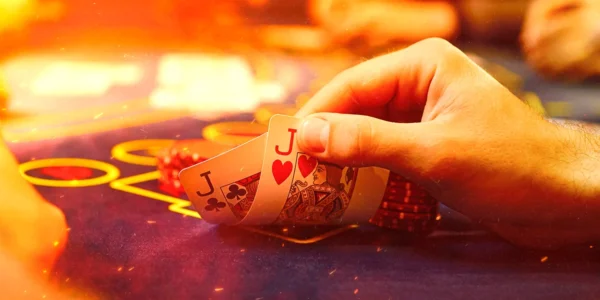
To double down means placing a second bet equal to the first, basically backing a hand that already has a lot of potential. If a player doubles down, they get an extra card, which completes the hand – no more hitting or splitting. It’s a final move with a few things to think about before committing to it, especially the player’s current card total and the dealer’s upcard.
The most common rules for doubling down, also used in many online versions like classic Blackjack on PokerStars, allow it only on the first two cards. If players hold a 9, 10, or 11, they will often double down because these kinds of totals can offer a better chance of building a strong hand, especially if the dealer has a weaker upcard.
What Does Double Down Mean in Blackjack
While the mechanics are simple, deciding to double down isn’t an easy decision to make, especially when it’s a split-second one. It’s the moment when some players decides to shift up a gear, as they believe they have a strong hand worth backing with extra chips.
In a PokerStars Blackjack Live Game, the decision can be just as important. The dealer pauses and draws the extra card, which becomes the focus of the table. The excitement is no different to playing in person; only visual features are added to the interface and overlaid on the stream, making things easy to follow.
When to Double Down in Blackjack
So, when is the best time to double down? Well, it’s usually when players believe they have a statistical edge and a good chance of making a high-value hand with a single card. It’s also important that the dealer’s card doesn’t pose a major threat either. Below are just a few scenarios that more seasoned blackjack players will consider when deciding to double down or not.
Total of 11
The textbook doubles down. With an 11, the player has the highest chance of hitting 21 with just one extra card, especially considering that there’s more 10-value cards than any other type in the deck. This move can be undone in the rare case when the dealer has an Ace, which increases their chances of reaching blackjack.
Total of 10
Almost as strong as 11, drawing a 10-value card brings the hand to 20, one of the best possible totals. This move needs to be reconsidered in the event of the dealer having a 10 or an Ace, which could remove the player’s hand advantage.
Total of 9
A 9 could be worth doubling if the dealer shows a low-value card like a 3, 4, 5, or 6. These are often known as “bust cards,” as they increase the dealer’s risk of going over 21. If the dealer has a 7 or higher, the play becomes much riskier.
Soft Hands (With an Ace)
Some blackjack versions allow doubling on “soft” hands, which is a hand that uses an Ace as 11. A soft 16, which is an Ace with a 5, against a dealer’s 4, for example, could be a keen opportunity, depending on the house rules. If playing online, PokerStars clearly shows these rules, letting players know if a soft double is an option at the table.
When to Avoid the Double Down
Just as important as knowing when to double down is knowing when to avoid it completely. Hasty or bad timing can lead to missed opportunities with hands that could have had potential.
Low or High Totals –
Hands totalling 8 or less offer very few ways of reaching a strong value with just one card. Also, doubling down on totals of 12 or higher carries a higher opportunity of busting and is usually avoided. For example, if the dealer has a weak card, like a 4 to 6, the chances of the dealer going bust are higher than average.
Dealer Showing Strength –
If the dealer has an upcard of 10 or an Ace, doubling down is often avoided by some players. In this situation, the dealer is statistically more likely to land a stronger hand. Even if a player has a strong hand, like a 10 or 11, it can still be outmatched. With that being said, basic strategy often suggests doubling with 11 against a dealer’s 10, depending on the house rules.
After a Split (in Some Cases) –
Many blackjack games allow doubling after a split. But this doesn’t mean it’s always the right move, as each hand then needs to be looked at separately. For example, splitting 8s makes hands that have mid-range values, which may not be great for doubling depending on what the dealer has.
The Psychology of the Double Down
Beyond the cards and numbers, the double down taps into the emotional side of blackjack. It’s a decision that often has to be made very quickly, based on instinct, statistics and weighing up what’s on offer.
For new players, the double down can feel pretty intimidating. The stakes double, the pace quickens, and the result is final. Even experienced players know the importance of that one card, especially as there’s no more decisions that can be made after.
Double Down in Blackjack Variants
Different variants of blackjack also allow doubling down, although they often come with their own rules around it. Learning the different versions can help avoid mistakes or missed opportunities when trying out a new blackjack game.
Spanish 21
In Spanish 21, all 10s are removed from the deck, which slightly changes the odds. However, the game makes up for this by allowing far more flexibility, including doubling after any number of cards and offering bonus payouts for specific hands, depending on house rules. This creates more double down scenarios, but also means players need to keep a watchful eye out for opportunities.
Super Fun 21
Super Fun 21 is a very unique and modern version of blackjack. This loose format allows doubling down at nearly any point, even after multiple hits, depending on the house rules. Some hands also offer automatic wins or bonus payouts. Players need to stay alert in Super Fun 21, as the adapted ruleset offers a lot of strategic moments.
PokerStars Live Blackjack
PokerStars Live Blackjack sticks closely to the classic Vegas format, offering a traditional set of rules for strategic players. Doubling is usually allowed on totals of 9, 10, or 11, and also after a split.
Common Double Down Misconceptions
Despite being one of blackjack’s main strategies, the double down is often misunderstood and has given rise to several myths over the years that some players still believe.
Doubling Down Is for Struggling Players
The use of the double down strategy would suggest that it works best when the player is already ahead and thinks the odds will sway in their favour with the extra card. It’s not just a shot in the dark; it’s about working out the potential of the hand.
Double Down When the Player Has a Strong Hand
Not all strong hands are good for doubling. A total of 11 is great against a dealer’s 6, but not so great against an Ace. The situation really matters, and both the player’s total and the dealer’s upcard have to be weighed up.
The Math Behind the Move
The power of the double down lies in the stats. For example, if the player is holding an 11, the likelihood of drawing a 10-value card (10, Jack, Queen, or King) is higher than any other single value. That gives the player close to a one-in-three chance of reaching 21. Even a total of 10 has strong potential when the dealer shows a mid-range card, such as a 9, as drawing a 10-value card would result in a total of 20 — one of the strongest hands a player can have.
This is why basic strategy charts, built using computer simulations of countless hands, recommend different doubling situations. It’s about thinking about the stats and letting that guide well-balanced decisions.
Stats Behind Basic Strategy
- Player Total: 11 – approximately 31% chance of drawing a 10-value card and reaching 21.
- Player Total: 10 – approximately 62% chance of improving to a total of 20 or higher.
- Player Total: 9 – approximately 55% chance of improving to a total between 18 and 21.
- Soft Total (Ace-5 to Ace-7) – Between 50 to 54% (approximate) chance of improving to a strong hand.
- Player Total: 8 or Less – Less than 45% chance of reaching a strong hand.
- Player Total: 12 or Higher– High risk of busting with one card, unless the dealer has a weak hand.
How Doubling Down Fits into Blackjack Strategy
Every decision at the table, whether it’s to hit, stand, split, or double, is part of the bigger picture and allows more strategic play instead of relying on guesswork. The real strength of doubling down comes from understanding when it fits within a player’s overall game plan.
Why Table Rules Matter
An important thing to consider is how table rules affect the strength of a double down opportunity. In some versions of blackjack, players are only allowed to double down on totals of 10 or 11. Others may allow doubling on any two cards. There’s also the matter of whether doubling after a split is allowed, and whether the dealer must hit or stand on soft 17, both of which can change up the effectiveness of the move.
Even the number of decks in play can slightly affect the odds. This is why many experienced players pay close attention to house rules before making key decisions at the table. On PokerStars, these rules are displayed clearly within the classic blackjack and live formats, allowing players to quickly understand the conditions before committing to a bet.
Managing Bankroll
Another important factor is managing bankroll. Since doubling down needs the player to commit to a second wager, it increases the risk. That extra bet can work either way. For that reason, some players keep an eye on their bankroll and try to ensure that one hand will not wipe out their entire balance. For them, it’s about playing the long game and recognising that even the best double downs don’t always pay off.
Bluffing with a Double Down
With blackjack there’s still a bit of psychology in play — especially at live dealer tables. A player could bluff with a double down, but it would be more about faking confidence and putting on a bit of a show.
Bluffing in blackjack doesn’t really change anything like it would in games like poker. The dealer follows strict rules and isn’t swayed by a move or body language. So while a flashy double down might turn a few heads and build some excitement around the table, it won’t shift the odds.
Of course, even a risky double has a chance of coming out on top. Blackjack is still a game of luck, no matter what strategy is being used, and sometimes the extra card falls just right. But relying on blind luck, especially in the long run, rarely beats making decisions backed by the numbers.
Doubling Down in Online vs. Live Blackjack
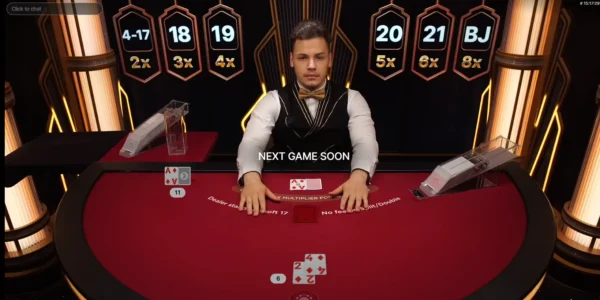
The experience of doubling down shifts gear slightly between standard online formats and live dealer blackjack. In regular online blackjack, the action is more fast-paced – tap the button, receive the extra card, lock in the hand, and wait to see what the final values come out as. It’s efficient, clean, and favoured by players who don’t care for prolonged entertainment.
In Live Blackjack on PokerStars, however, the experience is more like the land-based casino style. The pace slows down, and every decision feels more strategic, as the live dealer feels more like an opponent. Once someone doubles down, the dealer reveals the card in real time, and the player waits to see if it was the right decision. Both formats include doubling down, just executed differently.
Doubling Down on PokerStars
Blackjack on PokerStars has a lot of variety, from single-deck formats to exclusive Blackjack Live Game sessions hosted by several dealers who inject their personality and expertise into the sessions.
In most classic versions of the game, doubling is available on 9, 10, or 11, and often after splitting pairs. Here, the decision to double down is highlighted, but designed so the player doesn’t feel pressured, with sleek visual cues and transparent odds shown on the interface.
Does Double Down Guarantee a Win?
Of course the double down doesn’t guarantee a win, but it can be a tactical move used to slightly improve the fun of the game. Even the most solid doubles, from a statistical standpoint, can end in a loss. That’s the same with any game involving probability and luck.
FAQs
What is a double down in blackjack?
When do players usually double down?
Is doubling down allowed after a split?
Can players double down in live dealer games?
Does doubling down increase the chance of winning?

Top Content



Trending