Play Blackjack in 7 Steps
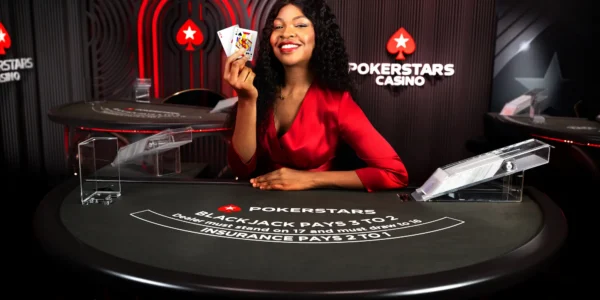
Blackjack might just be the quintessential card game at casino tables.
Played the world over, you won’t find a casino without a range of blackjack tables that accommodate between two and seven players, all vying for wins in a game that uses multiple 52-card decks.
Unlike many casino games, there is a strong element of skill and strategy to playing blackjack that will allow you to narrow (but not overcome) the house edge.
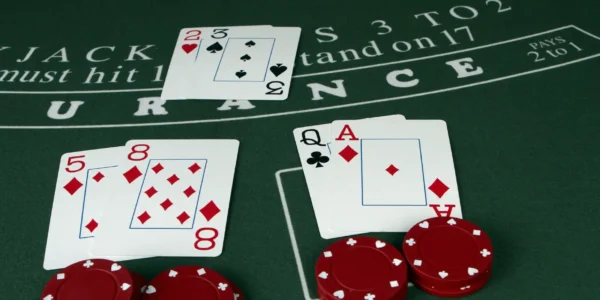
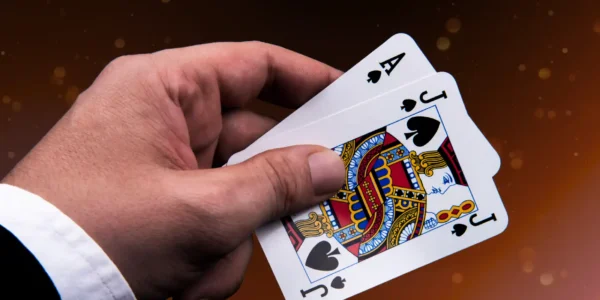
You might already know the basics: you need to reach a total of 21, or close to it, while also beating the dealer’s total. But how do you do that? Our step-by-step guide lays out this classic game clearly and simply. Whether you’re a total novice or already have some time at the table, you’ll never find yourself clueless at a Blackjack game again thanks to our seven-step guide.
Learn Basic Strategy for Better Decisions
Once you understand the first seven steps of blackjack, the natural next move is to improve decision-making through basic strategy. Basic strategy is a mathematically tested guide that helps players choose the strongest long-term option based on their hand total and the dealer’s visible card. PokerStars has also published guides explaining how blackjack strategy charts work and why they are useful for players looking to sharpen their game.
This does not mean every hand will win, because blackjack still involves chance. Instead, the basic strategy is about making choices that are statistically stronger over time. For example, some totals are usually better stood on against a weak dealer card, while others are stronger candidates for hitting or doubling down.
For new players, this can sound more intimidating than it really is. Most strategy decisions fall into recognisable patterns. Once you play regularly, common situations begin to feel natural. A total of 11 often presents a strong doubling opportunity. A dealer showing a weak upcard like 5 or 6 can make standing more attractive on medium totals. These patterns become easier to spot with repetition.
Learning strategy gradually can make blackjack feel far more rewarding because decisions become clearer and more confident.
Practice with Low-Stakes Tables
One of the smartest ways to improve at blackjack is to begin with low-stakes tables. Smaller stakes reduce pressure and allow players to focus on learning rather than worrying too much about every hand.
When players feel less financial tension, they tend to think more clearly. They are more likely to follow a strategy, stay patient, and avoid emotional reactions after a losing hand. Low-stakes tables are also excellent for becoming familiar with table pace, dealer rhythm, and the flow of betting rounds.
Many players discover that blackjack feels very different once money is involved, even at modest levels. Decisions that seemed simple in free play suddenly feel more significant. That is why gradual progression works so well. Low stakes help bridge the gap between practice and regular play.
As confidence grows, players often become more comfortable sticking to consistent decisions regardless of short-term outcomes.
Use Demo Games to Build Repetition
Demo blackjack is one of the most underrated learning tools available. Free-play versions of blackjack allow players to experience hundreds of hands without risking funds. This makes them ideal for practising totals, recognising dealer upcards, and becoming familiar with game controls.
Repetition is powerful in blackjack. The first time you face a hard 16 against a dealer 10, it may feel awkward. After seeing the same situation many times, it becomes simply another decision rather than a stressful moment.
Demo games are also useful for testing variants. Some blackjack tables use different deck counts, payout structures, or side bets. Practising in demo mode can help players understand those differences before joining real-money games.
For complete beginners, free play removes fear. For experienced players, it can still be useful for refreshing strategy habits or exploring new table formats.
Manage Your Session, Not Just Your Hands
A common mistake among newer players is focusing only on hand strategy while ignoring session management. Blackjack is not just about what happens on one deal. It is also about how you approach an entire playing session.
Setting a budget before you begin is one of the best habits a player can develop. Decide what amount you are comfortable using for entertainment and stick to it. It can also help to set a time limit or planned break points, especially during longer sessions.
Good session management creates calmer decisions. Players who chase losses or dramatically increase stakes after setbacks often find their focus slipping. By contrast, players who keep sessions controlled usually enjoy the game more.
PokerStars has also published bankroll guidance for blackjack players, highlighting the value of sensible bet sizing and consistency.
Move to Live Tables When Ready
Eventually, many players want to try live blackjack tables, whether online with live dealers or in-person environments. The key is moving when you feel ready rather than rushing.
If you understand the rules, recognise common decisions, and feel comfortable with the pace of the game, live tables can be a natural next step. The atmosphere adds another layer of excitement. Real dealers, table interaction, and real-time action can make blackjack feel more immersive.
Start at lower-stakes live tables if possible. This keeps the focus on comfort and enjoyment rather than pressure. Watch a few rounds before joining if you like. Observing the rhythm of the table can make the first hand feel much easier.
The biggest advantage of gradual learning is confidence. By the time you sit at a live table, you are not guessing. You are building on preparation.
Final Thoughts
Blackjack is at its best when players learn it step by step. Understanding the rules is the foundation, but improving through strategy, low-stakes practice, demo games, and sensible session habits can transform the experience.
You do not need to master everything immediately. Even experienced players continue refining decisions over time. What matters most is staying patient, enjoying the process, and building confidence gradually.
That is often the smartest route from beginner uncertainty to feeling fully at home at the blackjack table.


Top Content



Trending