Classic Casino Games vs. Modern Variations
Online casino games have always evolved alongside the technology and culture of their time. From the elegant gaming salons of 18th-century Europe to the buzzing floors of modern casino resorts, each generation has reshaped how classic games are played and experienced.
Today, the biggest transformation is happening online, where traditional casino games are being reimagined in formats that would have been impossible just a few decades ago.
Roulette, blackjack, poker, and slots are the foundations of casino gaming and are still instantly recognisable. The rules remain unchanged, but around those rules, developers have introduced new mechanics, visual styles, gameplay options, side bets, and player controls that have altered how these games feel to play.

For many players, this raises the question of what separates classic casino games from their modern online variations. Are the new versions simply cosmetic updates, or do they represent a bigger shift in the nature of casino entertainment?
The answer is somewhere in between. The modern variations don’t replace the classics, but they reimagine them. To understand more, we will explore the features of traditional casino games and compare them with their contemporary online counterparts.
What Defines a Classic Casino Game?
Before comparing old and new, it’s important to understand what makes a casino game classic in the first place. The classic casino games are defined by simplicity, structure, and mechanics.
Traditional games tend to have clear rules that can be explained quickly. Roulette involves choosing numbers or groups of numbers. Blackjack revolves around reaching 21 without going over. The slots revolve around matching symbols across reels. Even when strategies exist, the fundamental gameplay loop is straightforward.
Classic games follow consistent pacing. The cards are shuffled manually. The wheels spin at a fixed speed. The dealers manage bets and outcomes step by step. The rhythm of play is always predictable.
Traditional casino games take place in real space with real objects. The cards, chips, wheels, and tables are all physical elements that shape the pace and the atmosphere of the game. The sound of chips stacking, the spin of the roulette wheel, and the shuffle of cards all make the game more exciting. The modern online variations often keep the rules but reshape everything around them.
Why Modern Variations Exist
Online casinos didn’t set out to reinvent casino games. The early digital versions focused on replicating the traditional experience. However, once developers realised they were no longer limited by physical constraints, innovation became certain.

The digital environments offer flexibility that physical casinos cannot match. The games can run faster or slower. The visuals can change dynamically, and the bonus features can be layered on top of standard rules. Lastly, the interfaces can adapt to individual players.
This freedom allowed developers to experiment with pacing, presentation, and mechanics while preserving the core mathematical structure of classic games. The result is a mix of experiences ranging from recreations to heavily enhanced variations.
Roulette: Timeless Wheel, Expanding Possibilities
There are a few games that show the relationship between classic and modern formats more clearly than roulette online.
Traditional Roulette
In its classic form, roulette has a dealer who spins a physical wheel, releases a ball, and players wait as it bounces around the numbers. The betting windows are fixed, and the results unfold in real time. The atmosphere is built around anticipation and observation.
The rules are simple and stable. Players choose numbers or betting groups, and payouts follow established odds. Aside from differences between European and American wheels, the game has remained consistent for centuries.
Modern Online Roulette
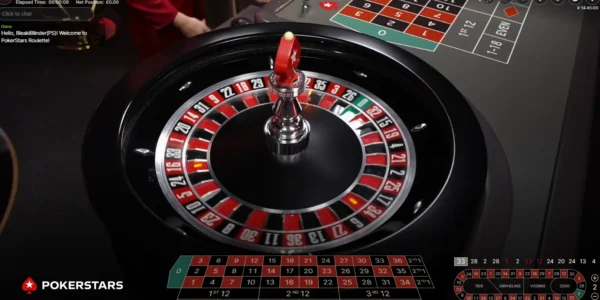
Online Roulette preserves the wheel and betting layout but changes everything around the spin. First, the pacing becomes flexible. There are some versions that replicate the traditional timing of the game, while others deliver results almost instantly. Players can choose faster formats that reduce downtime between spins.
Secondly, the visual presentation expands, and digital interfaces can display statistics, past results, and betting patterns. Players can customise views and interact with the table differently than in land-based environments.
Thirdly, there are additional mechanics that emerge. Some modern variations introduce multipliers, bonus rounds, or multiple balls in play simultaneously. These features don’t change the wheel probabilities, but they change the experience by increasing volatility and visual excitement.
What’s Changed and What Hasn’t
The mathematics of roulette remains constant. The house edge is determined by the number of zeros on the wheel. That hasn’t changed across the different versions.
What has changed is how players engage with the game. Modern roulette delivers improved speed, choice, and visual engagement. The traditional roulette games emphasise ritual and atmosphere.
Blackjack: Classic Decisions, Expanded Formats
Blackjack has always occupied a strong place among casino games because it combines luck with player decision-making. This makes it interesting to compare across formats.
Traditional Blackjack
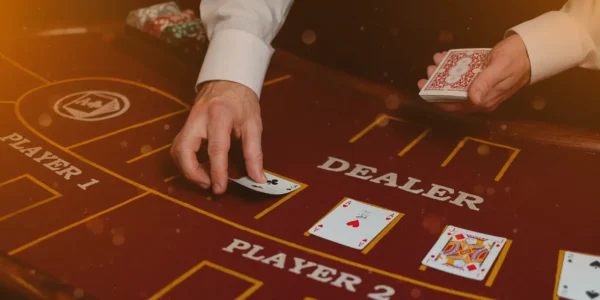
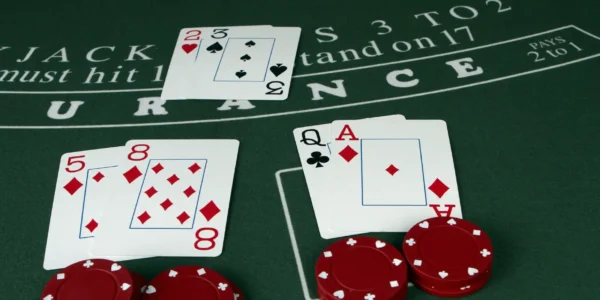
Classic blackjack is social and strategic. Players sit at a table, receive cards from a dealer, and make decisions in order. The table etiquette, dealer interaction, and pacing are integral to the overall experience.
The structure is steady with cards dealt physically. The players have to act in turn, and the game unfolds as a shared event rather than an individual interaction.
Modern Online Blackjack
Online blackjack introduces variety to the game. Players can choose between automated digital tables and live dealer games. They can play multiple hands at the same time or move quickly between rounds. The table limits vary, and sessions can be brief or extended.
The modern variations also introduce rule tweaks and side bets that increase the game’s volatility. Some versions add additional betting options or visual enhancements, while others prioritise speed and efficiency.
The Core Difference
The central decision-making of blackjack with hit, stand, split, and double remains unchanged. What differs is the environment surrounding those decisions.
Traditional blackjack is communal and paced by human interaction. Modern blackjack games can be faster and more flexible.
Slot Machines: Where Evolution Is Most Dramatic
If roulette and blackjack evolved gradually, slots transformed completely.
Classic Slot Machines
Traditional slot machines were mechanical devices with limited reels and paylines. The gameplay was straightforward. You just insert coins, spin reels, and match symbols. The visuals were simple, and bonus features were minimal or non-existent. The appeal lay in simplicity.
Modern Online Slots
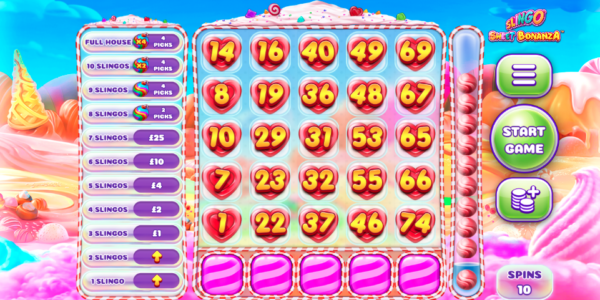
Online slots are fundamentally different in scale and complexity. The reels can expand or change dynamically. The paylines can number in the hundreds or thousands. The bonus rounds can involve entirely separate game mechanics, and themes range from mythology to cinematic storytelling.
Players can encounter cascading reels, progressive jackpots, expanding wilds, and layered bonus systems, all within a single game.

What This Means for Players
Modern slots emphasise variety and spectacle, and the experience is less about simple repetition and more about progression and surprise.
Yet the fundamental structure remains unchanged: random outcomes, defined payouts, and the anticipation of each spin.
Poker: Tradition Meets Technology
Poker has experienced one of the most profound shifts from classic to modern formats.
Traditional Poker
In the past, poker required a physical presence in a casino. The tournaments were location-bound, and cash games were limited to certain venues. The social interaction and table reading were central to the gameplay.
Online Poker
Online platforms removed location barriers, and players can now participate in tournaments with thousands of playersfrom around the world. The digital interfaces manage dealing, betting, and tracking automatically.
This increases speed and accessibility while changing the nature of interaction. However, the physical tells disappear, replaced by timing patterns and statistical data.
The Transformation
Poker’s rules remain identical, but scale and accessibility have expanded a lot. The game moved from local tables to global competition.
Live Dealer Games: The Hybrid Model
One of the most significant modern developments is the emergence of live dealer games, which combine traditional physical casino elements with easy virtual access.
Players watch real dealers and real equipment via real-time live streaming while placing bets through an online interface. This format preserves ritual and pacing while maintaining convenience.
The live dealer games demonstrate that modern variations don’t always move away from tradition, but sometimes they restore it in new ways.
Pace of Play: One of the Biggest Differences
Speed is one of the defining distinctions between classic and modern formats. The traditional games unfold at fixed speeds. The online variations allow players to choose faster or slower pacing. This flexibility changes how sessions are structured and how players experience risk and reward.
The faster the play, the more outcomes in a given time. Whereas slower play emphasises anticipation and atmosphere. Neither approach is inherently better. They simply suit different preferences.
Player Control and Customisation
Modern online games give players unprecedented control over their experience. Players can choose stakes, speed, format, and even visual presentation. They can switch between games instantly, track history and adjust behaviour accordingly.
The traditional casinos offer variety, but digital environments offer adaptability.
Atmosphere vs Convenience
The most fundamental difference between classic and modern casino games is emotional rather than mechanical. Traditional casino play is immersive. It involves environment, sound, and social interaction. It feels like an event. Online play is flexible and personal. It fits into everyday life rather than requiring a visit to a land-based casino. Some players prefer atmosphere, but others prefer convenience.
Related Articles

Responsible Play in Classic vs Modern Settings
Online platforms offer safe gambling tools that land-based environments cannot easily provide, such as session tracking, time reminders, and deposit limits. These features support safer play. Traditional casinos rely more on environmental cues and personal awareness.
What Has Stayed the Same Across Generations
Despite all technological changes, certain fundamentals remain constant:
- Games are governed by probability
- Outcomes are independent
- The house edge exists
- Entertainment is the purpose
Modern variations enhance presentation and flexibility, but they do not alter mathematical reality.
Final Thoughts
Casino games have not been reinvented so much as reinterpreted. The core structures of roulette, blackjack, poker, and slots remain the same. What has changed is how those structures are presented, accessed, and experienced.
Classic casino games represent tradition, ceremony, and physical presence. Modern variations represent flexibility, personalisation, and technological creativity. Together, they form a continuum rather than a competition.

The wheel still spins. The cards still fall. The reels still turn. But today, players have more ways than ever to decide how and where that experience unfolds.
FAQs
What is the main difference between classic casino games and modern variations?
Do modern variations change the odds of classic games?
Are classic casino games better than modern ones?
Do modern online games play faster than traditional ones?
Are live dealer games considered classic or modern?
Why do modern slots have more features than classic slot machines?
Can I still play traditional-style games online?
Are modern variations more popular than classic games?

Top Content



Trending