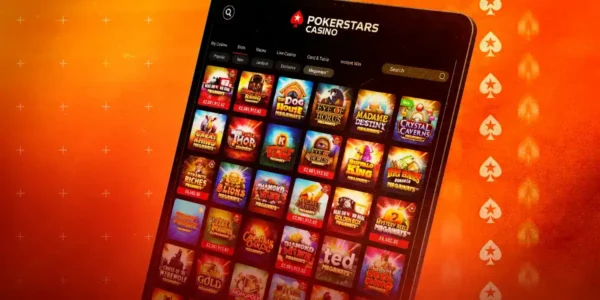
Why Some Players Prefer Live Casinos Over Traditional Games
Casino gaming has never been a single, fixed experience. Over the years, it has taken many forms, from grand land-based venues to early desktop software and today’s fully interactive online environments. Among the most significant developments has been the rise of live online casino gaming, a format that blends virtual access with real dealers, real equipment, and real-time play.
For many players, live casino games offer something that traditional online games don’t quite replicate. The sense that something is happening now, with real people and physical elements, rather than simply unfolding through software and code.

But the appeal of live casinos isn’t universal. Some players love them, and others try them once and never return. The difference comes down to the experience itself, not just the game, but how that game is delivered.
Understanding these questions requires looking beyond the surface and examining how live casino gaming works as an experience, socially, psychologically, and on a technical level.
What Live Casino Gaming Actually Changes
At a glance, live casino games appear similar to traditional online versions. Players still place bets virtually. They still play from their own device. The rules of online blackjack, roulette online, and baccarat remain largely unchanged. But the process of play is different.
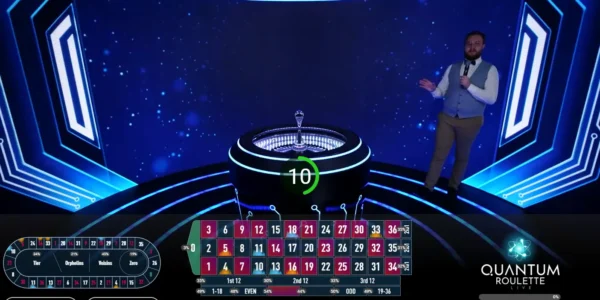
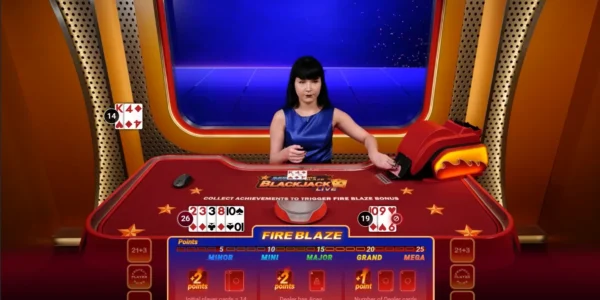
Instead of software generating results invisibly, players watch a real dealer shuffle cards, spin a wheel, or manage a table. The action unfolds in real time, streamed from a professional studio. The pace is determined by human movement, not automated timing. Additionally, communication is possible through chat.
This combination of digital convenience with physical presence changes how players perceive fairness, engagement, and immersion. For some players, that difference is transformative.
The Appeal of Real-Time Interaction
One of the most powerful attractions of live casinos is interaction. Even limited communication with a real dealer changes how a game feels.
Traditional online casino games are solitary by design. You interact with interfaces, buttons, and animations. The experience is efficient but not very personal or social.
Live casino play introduces a human element. The dealers greet players, respond to chat messages, and react to outcomes. Even when interaction is brief, it creates social interaction. The game becomes a shared activity rather than a private one.
For players who enjoy atmosphere and presence, this interaction makes the play feel more meaningful. The dealer’s role adds continuity between rounds and reinforces the sense that each hand or spin is part of a real event rather than an isolated digital outcome.
However, the quality of interaction matters, and it’s one of the factors that separates enjoyable live casino experiences from frustrating ones.
Atmosphere and Authenticity
Live casino games also appeal to players who value atmosphere. Seeing cards dealt from a shoe, chips placed on the felt, and a roulette ball spinning across a real wheel creates more authenticity. The traditional digital games simulate these elements, but live casinos present them directly.
This visual transparency influences perception of fairness. Watching a process unfold, land-based, reassures many players that outcomes are natural rather than abstract. Even though licensed digital games are rigorously tested and fair, physical visibility offers reassurance that algorithms alone cannot provide.
The atmosphere also extends to studio design. The lighting, camera angles, sound quality, and table presentation all shape how immersive the experience feels. A well-designed live studio can evoke the mood of a professional casino environment while maintaining clarity for online viewing.
Related Articles



The Importance of Pace
The pacing is one of the most overlooked factors in live casino satisfaction. The traditional online games can move extremely quickly. Players can complete dozens of rounds in minutes. Live casino games move at human speed. The cards must be dealt, wheels must spin fully, and bets must be confirmed.
For some players, this slower pace is the primary appeal. It allows anticipation to build. It creates natural pauses for reflection. It feels more deliberate and less mechanical.
For others, the slow pacing can become frustrating, especially if they are accustomed to rapid play. Waiting for other players, dealer procedures, or camera transitions can feel slow.
The difference between enjoyable and frustrating pacing often depends on expectations. Players seeking atmosphere appreciate time and ritual, and players seeking efficiency may find the same elements restrictive.
Trust and Transparency
Trust is a central theme in live casino preference. In traditional online games, fairness is established through certification, regulation, and mathematical proof. But these assurances operate in the background. Players don’t see the randomness, and they accept it.
Live casino play makes randomness visible. The cards are shuffled, wheels spin, and outcomes happen physically. This transparency aligns with how many people instinctively understand fairness.
However, visibility alone doesn’t guarantee satisfaction. Camera clarity, dealer handling, and presentation must be consistent and professional. If players struggle to see cards clearly, question handling procedures, or notice technical inconsistencies, trust erodes quickly.
In live casino gaming, trust is not only about mathematics, but it’s also about presentation quality.

Technology: The Invisible Deciding Factor
Behind every live casino experience is technology. The streaming quality, connection stability, and interface responsiveness determine whether the experience feels seamless or stressful.
When video streams are smooth, controls respond instantly, and betting interfaces are intuitive, the player can focus on the game.
When streams lag, freeze, or lose synchronisation, immersion collapses. There can be delays between action and the response can create confusion. The missed betting windows cause frustration. The technical instability is one of the fastest ways to turn an engaging live experience into a negative one.
In many ways, live casinos succeed or fail based on how invisible their technology feels. The best experiences are those where players barely notice the systems delivering them.
Social Presence vs Social Pressure
Interaction is a defining feature of live casinos, but it introduces complexity. Some players enjoy social presence, knowing others are playing simultaneously, reacting to outcomes, and sharing the moment. This creates communal energy likeland-based casino floors.
Others prefer privacy, so public chat, visible betting activity, or perceived social observation can feel uncomfortable.
The design of communication tools plays a major role in determining whether social features feel welcoming or intrusive. Clear moderation, optional interaction, and respectful dealer engagement help maintain balance. An enjoyable live casino environment supports interaction without requiring it.

Table Structure and Player Flow
Another factor that separates satisfying live casino experiences from frustrating ones is table structure.
In traditional digital games, each player interacts with a private game instance. In live casino play, tables are shared environments. This introduces dynamics that don’t exist in automated play, including waiting for available seats, observing players’ decision speeds, shared betting windows and fixed round timing.
When table flow is smooth and predictable, shared play feels natural. When delays accumulate or seating is limited, players may feel constrained. The well-managed live casino platforms balance accessibility with structure. They offer sufficient table variety, clear joining processes, and consistent round timing.
Interface Design and Player Control
Even in live environments, the digital interface remains the player’s primary control system. A clear design is essential. The players must be able to place bets quickly and accurately, view game state clearly, access history and outcomes and adjust settings easily.
When interfaces are intuitive, live play feels fluid. But, when controls are cluttered or unclear, frustration builds rapidly, especially given the time-sensitive nature of live rounds.
The interface design is often the difference between feeling engaged and feeling rushed.
The Emotional Experience of Live Play
Live casinos change not just how games are played, but how they feel emotionally. Watching outcomes unfold physically creates suspense. Observing a wheel slow down or waiting for a dealer’s reveal produces tension that automated animations often compress or simplify.
This emotional pacing appeals to players who value anticipation and ceremony. It transforms gameplay from rapid repetition into unfolding moments. However, emotional engagement requires consistency. Disruptions like technical, procedural, or social break immersion and reduce emotional impact.
Why Some Players Still Prefer Traditional Online Games
Despite the appeal of live casinos, many players continue to prefer traditional digital formats because they offer faster gameplay. You also get complete privacy, greater control over pacing, no reliance on shared environments and immediate session entry and exit.
Traditional games offer efficiency and independence. The live games offer presence and atmosphere. The preference often reflects personality and purpose. Some players seek immersion, and others seek convenience.
Responsible Play in Live Environments
The live casinos influence responsible play in subtle ways. The slower pace can naturally moderate betting frequency. The structured rounds create built-in pauses. The real-time observation may encourage more deliberate decision-making.
At the same time, immersion and engagement can make sessions feel absorbing. The clear session tracking, visible time awareness, and accessible controls are important.
An enjoyable live casino experience supports awareness without interrupting flow.
The Features That Matter
Across all these dimensions, certain features consistently distinguish enjoyable live casino environments from frustrating ones. These include clear, stable streaming and professional and responsive dealers. The smooth pacing, intuitive interfaces, balanced social interaction, transparent presentation and reliable table access all contribute to this.
When these elements align, live casino play feels immersive and engaging. When they fail, the experience quickly becomes stressful or unsatisfying.
Final Thoughts
The preference for live casinos over traditional games isn’t simply about realism or technology. It’s about experience design.
Live casino gaming offers something distinct, not better or worse, but different. It introduces presence, ritual, and shared moments into an environment traditionally defined by efficiency and automation.
For players who value atmosphere, transparency, and human interaction, live casinos can feel uniquely engaging. For those who prioritise speed, independence, and simplicity, traditional digital games remain ideal.
Ultimately, preference emerges from alignment. When a live casino delivers clarity, stability, and atmosphere seamlessly, it can transform online play into something closer to an event than an activity, and when the experience is designed thoughtfully, that transformation is exactly what some players are looking for.
FAQs
What is a live casino game?
How are live casino games different from traditional online games?
Why do some players prefer live casino games?
Do live casino games take longer to play?
Can I interact with the dealer in live casino games?
Do live casino games have the same rules as traditional games?
Are live casino games more social?

Top Content


Trending