The Benefits of Playing Online Casino Games on a Multi-Vertical Platform
Online casino gaming has evolved quickly over the past decade.
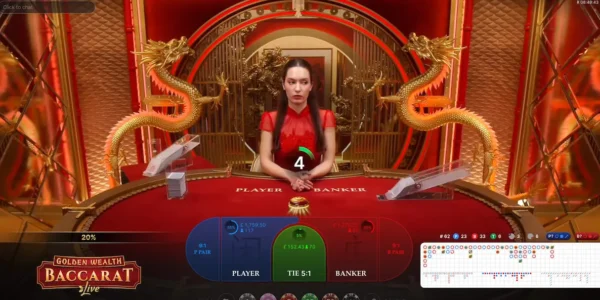
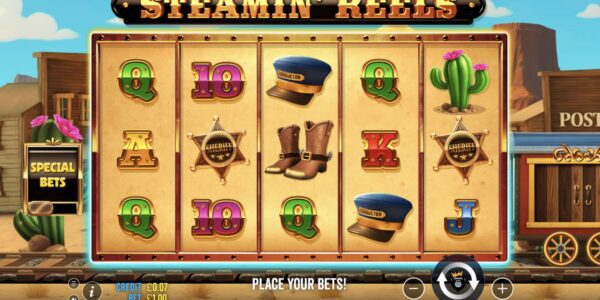
Where players once needed separate accounts for different types of games, many platforms now bring everything together under one roof. Poker, slots, and table games can all exist within a single environment, creating what is known as a multi-vertical platform.
At first glance, this might seem like a convenience feature. But in practice, it goes much further than that.

For players, it changes how everything fits together. Instead of switching between platforms, managing multiple accounts, or learning different interfaces, everything becomes part of one connected experience.
This is where platforms like PokerStars really shine.
This kind of integration is not just about offering more options. It’s about making those options easier to access, understand, and use.
And over time, that simplicity becomes one of the biggest advantages.
What Is a Multi-Vertical Platform?

More Than Just Convenience
At its core, a multi-vertical platform brings different types of gaming into one place.
But it’s not just about having everything under one login. It’s about how those different parts work together. The experience is designed to feel connected, rather than separate.
This means players aren’t just switching between games, they’re moving within the same environment.
How It Changes the Way You Play
On single-focus platforms, your experience tends to stay in one lane.
If you log in for poker, that’s all you see. If you want something different, you often have to leave and start again somewhere else.
A multi-vertical platform changes that dynamic.
It introduces flexibility. You’re not locked into one type of experience. Instead, you can move between formats naturally, without breaking your flow or needing to reset.
That shift makes the experience feel more fluid.
The Role of a Shared System
One of the key differences is how everything is connected behind the scenes.
A multi-vertical platform typically uses a shared system. This includes a single account, a central wallet, and a consistent interface across all areas.
This matters more than it sounds.
Because everything is linked, you’re not managing separate balances or dealing with different rules depending on where you are. The platform behaves in a predictable way, no matter which section you’re using.

Why It Feels More Seamless
When everything is built to work together, the experience becomes smoother.
There’s less interruption. You don’t feel like you’re jumping between different systems. Instead, everything flows in a way that feels natural.
PokerStars is a good example of this structure in practice.
Poker, casino, and sports are all part of the same ecosystem. They don’t feel like separate products stitched together. They feel like different parts of the same platform.
A Different Kind of Variety
This also changes how variety is experienced.
Instead of choosing between platforms, players are choosing between experiences within one platform. That distinction is important.
It removes friction while still offering range, which is ultimately what multi-vertical platforms are designed to do.

What Online Casino Players Often Overlook
It’s not just about having more options
A multi-vertical platform isn’t simply about offering more games. It’s about how those options are connected and how easy they are to access.
Small improvements make a big difference
Things like a shared wallet, consistent layout, and single login may seem minor, but they significantly improve the overall experience over time.
Familiarity reduces effort
When everything works in the same way, players don’t need to relearn systems or adjust to new environments.
Consistency builds long-term comfort
Using one platform regularly creates a sense of stability, which makes it easier to return and explore.
Reputation becomes more meaningful
When everything sits under one brand, trust applies across the entire experience, not just one part of it.

Why Players Prefer Everything in One Place
It Removes Small Frictions You Don’t Notice at First
A lot of the benefits of a multi-vertical platform come from things players don’t always think about directly.
Logging in again. Switching apps. Remembering where you left off. Moving between different layouts that all work slightly differently.
Individually, these things seem minor. But over time, they add up.
When everything sits in one place, those small interruptions disappear. You log in once, and you’re already where you need to be.
That simplicity makes the whole experience feel smoother without needing to think about it.
It Matches How People Actually Play
Players don’t always stick to one type of game.
Some days call for something slower and more focused. Other times, something quicker or more casual feels like a better fit. The choice often depends on time, mood, or just curiosity.
On a single-focus platform, switching between those experiences isn’t always easy.
On a multi-vertical platform, it’s built in.
You can move between different formats naturally, without needing to plan ahead or commit to one style of play. That flexibility reflects how people actually use these platforms day to day.
It Feels More Relaxed and Less Rigid

There’s also a subtle shift in how the experience feels.
When everything is connected, there’s less pressure to “choose the right thing” straight away. You’re not locked into one area or forced to commit to a single format.
You can explore, switch, and come back to things without friction.
That makes the overall experience feel more relaxed. It becomes less about deciding what to play, and more about simply enjoying what’s available.
Familiarity Builds Over Time
When you stay within one platform, you start to recognise how everything works.
The layout becomes familiar. Navigation feels intuitive. You don’t have to think about where things are or how to access them.
That familiarity builds confidence.
It makes trying something new feel easier, because you’re not learning a completely new system each time. You already understand how the platform behaves.
PokerStars reflects this well.
Whether you’re moving between poker, casino games, or sports, the experience feels connected. You’re not stepping into something unfamiliar, you’re staying within the same environment.

It Encourages Exploration Without Effort
One of the biggest advantages is how easy it becomes to try something different.
On separate platforms, exploring something new often requires effort. You have to sign up, learn the interface, and adjust to a different structure.
On a multi-vertical platform, that barrier is removed.
New options are already there, integrated into the same system. That makes exploration feel natural rather than intentional.
Over time, this can lead to a broader, more varied experience without needing to actively seek it out.
The Benefit of a Central Wallet and Unified Account
One Balance, Less Thinking
One of the most noticeable differences on a multi-vertical platform is the use of a central wallet.
Instead of managing separate balances for different types of games, everything sits in one place. You don’t need to move funds between sections or keep track of where your balance is stored.
It might sound like a small detail, but it removes a lot of unnecessary steps.
You always know instantly where you stand, and you can move between different areas of the platform without needing to adjust anything behind the scenes.
A Smoother Way to Switch Between Experiences
On platforms where systems are separate, switching between game types can feel slightly disjointed.
You might need to transfer funds, reload a different section, or adjust to a new layout before you can continue.
With a unified account, that transition disappears.
That continuity helps maintain momentum. You’re not stopping and starting, you’re simply moving through the platform.
Fewer Steps, More Focus
A central wallet also reduces the number of decisions players need to make.
You’re not thinking about where your funds are, how to move them, or whether everything is set up correctly. Those processes are handled in the background.
That allows you to focus on the experience itself.
It’s a subtle shift, but it makes the platform feel easier to use. The less time spent managing systems, the more natural everything becomes.

Consistency Across the Platform
A unified account also brings consistency.
Your settings, preferences, and account details remain the same across every part of the platform. You’re not dealing with different rules or structures depending on where you are.
This consistency reinforces familiarity.
Once you understand how the platform works, that knowledge carries across everything. It creates a sense of stability, which makes exploring different areas feel more comfortable.
How PokerStars Brings It Together
PokerStars players can manage their wallet using a single system.
Poker, casino, and sports all operate within the same account, supported by a central wallet and a consistent interface. This means players don’t need to manage separate systems or adjust to different structures as they move between experiences.
Everything works together as part of one platform.
Consistent Security, Reputation and Peace of Mind
One System, One Set of Standards
Security is something most players don’t actively think about, but it plays a big role in how comfortable a platform feels.
On a multi-vertical platform, everything sits under one system. That means the same account, the same security measures, and the same standards apply across every part of the experience.
You’re not relying on different systems depending on what you’re doing. It’s all handled in one place.
That consistency removes a layer of uncertainty.
Less to Manage, Fewer Points of Risk
Using multiple platforms often means managing multiple accounts.
Different passwords, different verification processes, different levels of protection. Over time, that can become harder to keep track of.
A unified platform simplifies this.
With one account, there’s less to manage and fewer potential weak points. Everything is centralised, which makes it easier to stay in control of your own account and information.

Reputation Carries Across the Entire Platform
Another important factor is reputation.
On a multi-vertical platform, the brand’s reputation applies to everything it offers, not just one area. That means the same level of trust extends across poker, casino games, and sports.
This is different from using separate platforms, where each one may have a different level of reliability or track record.
When everything sits under one recognised name, there is a clearer sense of consistency. Players are not evaluating multiple platforms individually, they are interacting with one established ecosystem.
PokerStars benefits from this in a clear way.
Its long-standing reputation in online poker naturally extends into other verticals. That familiarity means the same standards are expected (and offered) across the entire platform.
Familiar Systems Build Confidence
Security is not just about protection, it’s also about familiarity.
When you use the same platform regularly, you begin to understand how it works. You recognise how login processes behave, how account settings are structured, and how information is presented.
That familiarity builds confidence.
You’re not second-guessing what’s happening or trying to work out whether something feels unusual. The platform behaves in a predictable way.
A Consistent Approach Across All Areas
On a multi-vertical platform, both security and reputation remain consistent no matter where you go.
Whether you’re playing poker, exploring casino games, or browsing sports, the same standards apply. You’re not stepping into a different environment with different expectations.
Everything follows the same structure, backed by the same level of trust.
How A Multi-Vertical Platform Supports Long-Term Users

It Becomes Part of a Routine
One of the biggest differences with a multi-vertical platform is how naturally it fits into regular use.
Because everything is in one place, players don’t need to think about where to go. Over time, the platform becomes familiar, not just in layout, but in how it feels to use.
Logging in becomes part of a routine rather than a decision.
That familiarity makes the experience easier to return to, because there’s no friction involved in getting started again.
There’s No Need to Start Over
On separate platforms, every experience can feel like a reset.
New layouts, different systems, and unfamiliar structures all require adjustment. Even small changes can interrupt the flow and make things feel less intuitive.
A multi-vertical platform removes that reset.
Everything builds on what you already know. Whether you’re trying something new or returning to something familiar, the environment stays the same.
That continuity makes it easier to stay engaged over time.
Variety Without Disruption
One of the key reasons players move between platforms is to find something different.
But on a multi-vertical platform, that variety is already built in.
You can shift between different types of experiences without leaving the platform or breaking your flow. That makes variety feel seamless rather than something you have to actively seek out.
It also reduces the need to rely on multiple platforms, which simplifies the overall casino gaming experience.
A More Connected Experience Over Time
As players spend more time on a single platform, everything begins to feel more connected.
Navigation becomes second nature. Preferences are remembered. The platform feels predictable in a positive way.
This creates a sense of continuity.
Instead of separate sessions on different platforms, everything feels like part of one ongoing experience. That connection is what encourages players to return.

How PokerStars Supports Long-Term Use
PokerStars brings its different verticals into one consistent environment.
Players can move between poker, casino games, and sports without needing to adjust to new systems or layouts. Over time, this creates a more stable and familiar experience.
Rather than requiring constant switching, the platform supports a more continuous way of engaging.
Comparing Multi-Vertical vs Single-Platform Experiences
The Difference You Notice Over Time
At first, using separate platforms for different types of games might not feel like a problem.
Each one works on its own, and if you’re only using one at a time, the experience feels complete. But over time, the differences start to show.
Switching between platforms means adjusting repeatedly. New layouts, different navigation, separate balances, and slightly different ways of doing the same thing.
Individually, these differences are manageable. Collectively, they create friction.
When Systems Don’t Align
One of the biggest issues with using multiple platforms is inconsistency.
You might find that one platform is easy to navigate, while another feels cluttered. One might load quickly, while another takes longer to respond. Even small variations in layout or controls can interrupt the flow.
That lack of alignment makes the overall experience feel disjointed.
By contrast, a multi-vertical platform keeps everything within the same system. The structure doesn’t change depending on what you’re doing, which helps maintain a steady, predictable experience.
Managing Multiple Accounts
Another practical difference is account management.
Using separate platforms often means juggling multiple logins, different verification processes, and separate account settings. It’s not complicated, but it adds extra steps that don’t directly contribute to the experience.
A unified platform removes that layer.
Everything is handled through a single account, which simplifies access and reduces the need to keep track of multiple systems.
Related Casino Articles


Conclusion
As online gaming continues to evolve, the way platforms are structured is becoming just as important as what they offer.
Multi-vertical platforms represent a shift towards simplicity, connection, and consistency. By bringing different types of gaming into one place, they remove many of the small frustrations that come with using separate systems. Everything feels more fluid, more familiar, and easier to return to over time.
What makes this approach stand out is not just convenience, but how it shapes the overall experience. A shared account, central wallet, and consistent interface all work together to create something that feels cohesive rather than fragmented.
By combining poker, casino, and sports within a single environment, Pokerstars delivers a platform that is structured, reliable, and easy to navigate. Each part of the experience supports the others, rather than existing in isolation.
In the end, the value of a multi-vertical platform is not just in what it offers, but in how naturally everything fits together.

FAQs
What is a multi-vertical platform in online gaming?
Why do players prefer using one platform instead of several?
What is a central wallet and why does it matter?
Does using one platform improve security?
Can players still get variety on a single platform?
What makes PokerStars a multi-vertical platform?

Top Content



Trending