How Professional Poker Players Prepare for Events
One of the most common questions directed to professional poker players is “What do you need to be ready for events?” Taking part in your first poker event is both daunting and fun at the same time. On one hand, you’re probably filled with excitement and anticipation, but you may also feel overwhelmed.
Poker is one of the most exciting and strategic games in the world. It can be overwhelming to navigate the complexities of poker events or tournaments. You need the right knowledge and skills to help improve your chances of winning.
Tips to Prepare for Professional Poker Events
Preparing for poker events? Here’s everything you need to know to get you ready for the dance;
Set Realistic Goals
Whether you’re playing at an online casino or live casino, setting reasonable expectations is a good way to keep yourself disciplined at the table. It is crucial for poker players to establish achievable objectives for the event, for example, improving their hand-reading skills. These performance-based goals allow professional poker players to set targets that will improve their overall play.
Develop Pre-Tournaments Routines
Make sure you have a clear understanding of what you’re exactly getting yourself into. The main reason why poker players are encouraged to develop a pre-game routine is to prepare them to play to the best of their abilities and eliminate potential stress. Poker events can be lengthy and can easily take a toll on you, both mentally and physically. You need to practice sitting and playing for hours, potentially over a couple of days if the event requires it.
Coaching
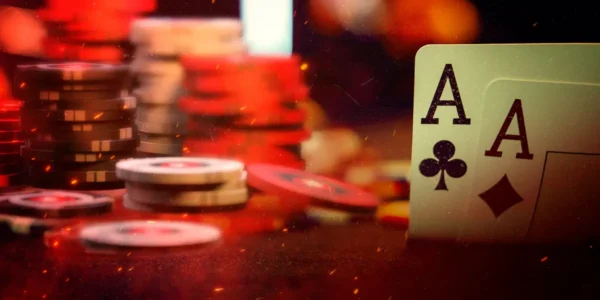
Hiring a professional coach is a great way to prepare for a poker event. There’s no better way to improve your skills and winning chances as a poker player than to surround yourself with greatness. A poker coach brings a lot of knowledge and skills to the table as well as providing personalized insights that address your playing style and weaknesses. In addition, poker players can get information by reading different materials and listening to podcasts that stimulate strategic analysis and critical thinking. Keep learning and practicing because the more you play, the better you become.
Manage your Bankroll
As a professional poker player, it is important to manage your bankroll and avoid tilt at all costs. Tilt is the emotional state of a player following a poor beat which results in them making poor decisions. When entering a poker tournament, it is advisable not to risk more money than you can afford to lose. Ensure that you stay within the set budget and avoid chasing your losses.
Get Enough Rest
The night before a big poker event, you’ll want to make sure you get enough rest so you’re ready for tomorrow. Even though most people think the amount of sleep is all that matters, the quality of that sleep matters even more! Getting enough rest can refresh your brain and get you to peak performance. It can also help you stay focused the next day and give you the energy required to participate in the event.
Why Mental Preparation Matters in Poker
Poker is often associated with strategy and mathematics, but mental preparation can be just as important during long events or tournaments.
Professional poker players spend hours making decisions under pressure, often with limited information and constantly changing situations. Staying focused over long periods can be difficult, especially after losing important hands or experiencing bad runs of luck.
That’s why many experienced players prepare mentally before events even begin.
Some use routines to stay calm and focused, while others avoid distractions, limit stress, or create habits that help them stay disciplined throughout the tournament.
Why Mental Preparation Matters in Poker
Poker is often associated with strategy and mathematics, but mental preparation can be just as important during long events or tournaments.
Professional poker players spend hours making decisions under pressure, often with limited information and constantly changing situations. Staying focused over long periods can be difficult, especially after losing important hands or experiencing bad runs of luck.
That’s why many experienced players prepare mentally before events even begin.
Some use routines to stay calm and focused, while others avoid distractions, limit stress, or create habits that help them stay disciplined throughout the tournament.
Why do many professional poker players wear headphones during tournaments?
Some players use headphones to block out distractions, maintain focus, and create a calmer environment during long sessions at the table.
The Importance of Studying Opponents
Preparing for poker events is not only about improving your own game.
Strong players also spend time learning how different opponents behave and how various playing styles affect decision-making during tournaments.
Some players are highly aggressive, while others play much more cautiously. Recognising these patterns can help players adjust their own strategy throughout an event.
In online poker, this preparation may involve studying betting tendencies and timing patterns. In live poker, body language and physical behaviour can also become part of the equation.
The more experience players gain, the better they become at adapting to different opponents and table dynamics.
Related Poker Articles

Conclusion
Preparing for a poker event involves far more than simply knowing the rules of the game.
Professional players often spend significant time working on strategy, improving mental discipline, and building routines that help them stay focused during long tournaments. From studying opponents to managing emotions after difficult hands, preparation can influence how consistently a player performs throughout an event.
At the same time, preparation is not only about trying to win.
Good habits like bankroll management, rest, and realistic expectations help create a more controlled and enjoyable experience overall. Even experienced players understand that poker involves uncertainty, which is why discipline and patience remain so important.
Whether entering a small online tournament or a large live event, feeling prepared can help players approach the table with greater confidence and focus.
Frequently Asked Questions
How do professional poker players prepare for tournaments?
Why is rest important before a poker event?
What is “tilt” in poker?
Do professional poker players use coaches?
How long can poker tournaments last?
Why is bankroll management important in poker?

Top Content



Trending