Most Famous Casino Owners
The global casino industry has always attracted ambitious entrepreneurs. From the boom years of Las Vegas in the 1970s and 1980s to the rapid expansion of Macau in the 2000s, some individuals have played defining roles in shaping modern gambling destinations.
These figures did more than simply own casinos. They influenced architecture, tourism, regulation, and the transformation of gambling into a luxury entertainment industry.
Here are some of the most famous casino owners in modern history.
What does a casino owner actually do?
Casino owners do far more than simply profit from gaming floors. Their responsibilities often include overseeing property development, securing licences, ensuring regulatory compliance, managing executive teams, and shaping brand direction.
In modern corporate structures, ownership may sit with shareholders, while day-to-day management is handled by CEOs and operational teams.
Stanley Ho: The King of Macau
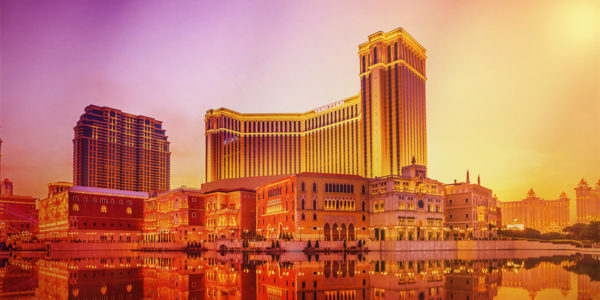
Few names are as closely tied to a single gambling destination as Stanley Ho is to Macau.
For decades, Ho held a near-monopoly over Macau’s casino industry through his company Sociedade de Turismo e Diversões de Macau (STDM). Before international competition entered the region in the early 2000s, Ho’s influence was unrivalled.
His empire extended beyond gaming into property development, transportation, and hospitality. Under his leadership, Macau evolved from a modest gambling enclave into one of the world’s largest gaming markets.
Stanley Ho’s legacy remains deeply intertwined with the city’s rise as a global gambling powerhouse.
Steve Wynn: The Architect of Modern Las Vegas
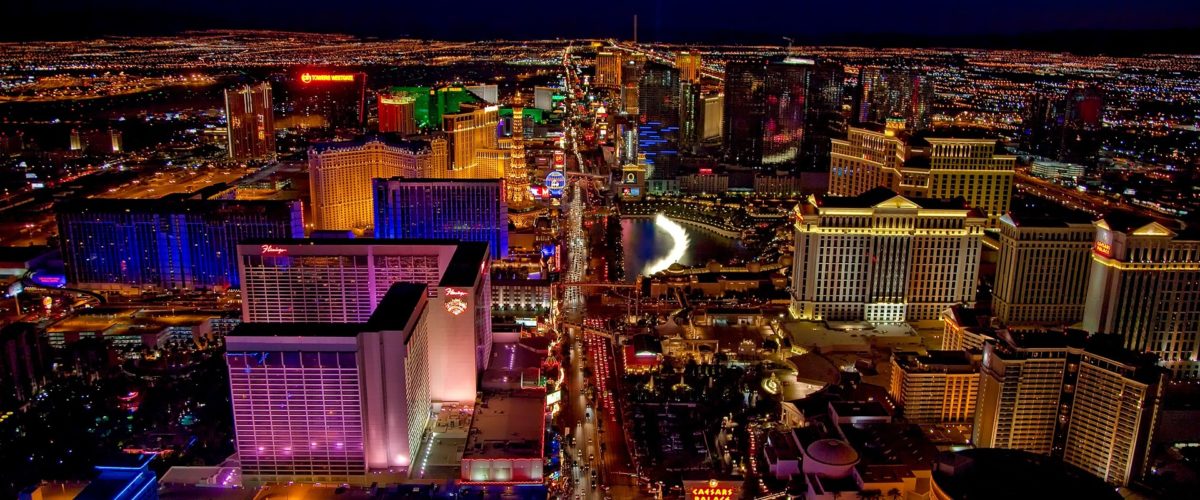
If Stanley Ho shaped Macau, Steve Wynn helped redefine Las Vegas.
Wynn was instrumental in transforming the Las Vegas Strip from a gambling-centric destination into a luxury resort experience. He was behind several landmark properties, including:
- The Mirage
- Bellagio
- Wynn Las Vegas
Rather than focusing purely on gaming floors, Wynn looked at fine dining, art collections, elaborate architecture, and large-scale entertainment.
His approach helped shift Las Vegas towards high-end tourism, making it appealing to visitors who were not solely interested in gambling.
Sheldon Adelson: The Integrated Resort Visionary
Sheldon Adelson, founder of Las Vegas Sands, took the concept of casino ownership even further.
Instead of building standalone casinos, Adelson championed the idea of integrated resorts. Large complexes combining hotels, shopping centres, conference facilities, entertainment venues, and casinos under one roof.
The Venetian in Las Vegas became one of the most recognisable themed resorts in the world. Its sister property, The Venetian Macao, grew into one of the largest casinos globally.
Adelson’s strategy reflected a shift in the industry: gambling became one part of a broader hospitality and entertainment ecosystem.
Beyond Las Vegas and Macau
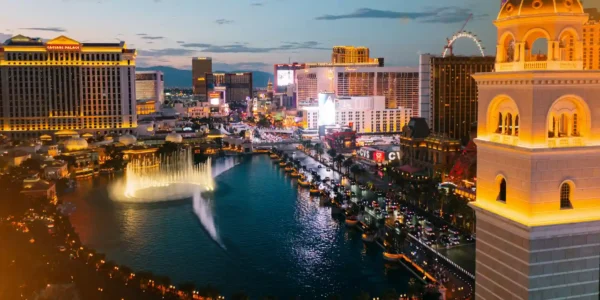
While Las Vegas and Macau dominate headlines, casino ownership is a global industry.
From Singapore’s Marina Bay Sands to large European resort casinos, ownership has increasingly moved toward corporate groups rather than individual magnates.
Publicly traded casino corporations now manage portfolios across multiple countries, subject to strict regulatory frameworks. The modern casino owner is often a boardroom rather than a single personality.
This reflects how the industry has matured. Where once it was driven by colourful entrepreneurs, it is now shaped by multinational hospitality groups and investors.
The Rise of Online Casino Ownership
While Las Vegas and Macau were built on physical spectacle, the 21st century introduced a different kind of casino empire: digital.
Online casinos have dramatically reshaped the ownership model. Instead of investing billions in physical resorts, operators now focus on technology infrastructure, licensing, software partnerships, and global digital marketing.
Many leading online casino brands are owned by publicly traded gaming groups rather than high-profile individual entrepreneurs. These companies manage:
- Multiple online brands across different jurisdictions
- Partnerships with game developers
- Regulatory compliance in several countries
- Responsible gambling tools and player protection systems
Unlike traditional casino moguls whose names were attached to buildings, online casino ownership is often corporate and less personality-driven. The brand, platform stability, and software partnerships matter more than individual founders.
The shift has also lowered barriers to entry. While building a land-based casino requires enormous capital and regulatory approval, launching an online casino is comparatively more accessible, though still tightly regulated in licensed markets.
Today, some of the largest gaming companies operate both physical resorts and online platforms, blending the two models into hybrid ecosystems. Players can visit a branded resort in one country and log into the same company’s online platform from home.
FAQs
Who was the most famous casino owner?
Are casinos still owned by individuals?
Which city generates the most casino revenue?
Do casino owners influence game odds?
Related Casino Articles


Final Thoughts
The most famous casino owners were not just successful businesspeople, they were architects of entire entertainment ecosystems.
From shaping skylines to redefining what a resort could be, these figures helped transform casinos into a global industry intertwined with tourism, hospitality, and luxury.
Today, while the personalities may be less visible, their influence remains embedded in the bright lights of casino destinations around the world.

Top Content


Trending