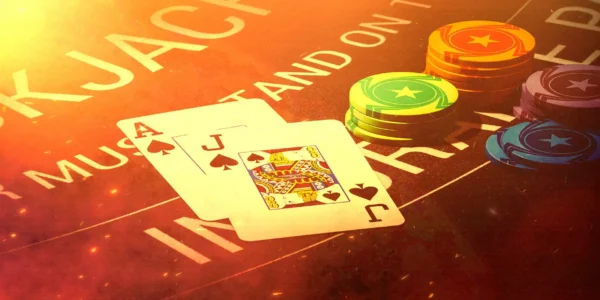
What are the Origins Of Poker
Poker is one of the most popular card games in the world. It has spawned many different types of poker games and formats. Poker is very popular outside the game itself, as it also plays a massive part in the entertainment industry. The annual World Series of Poker is one of the most popular events, with thousands of players from all over the globe flocking to Las Vegas to play in the biggest poker tournament in the world.
So the next time you log onto an online casino to sit at a table and play some poker, be sure to know your history. It is useful to know how the game of poker got started in the United States and all around the world.
Poker History: Quick Facts
Poker wasn’t invented in one place
Poker developed over time from several games across China, Persia, and Europe before becoming what we recognise today.
Early poker used fewer cards
Some of the earliest versions in the United States were played with just 20 cards instead of a full deck.
Bluffing has always been part of poker
The idea of deception comes from older European games like “Poque” and “Brag”, which heavily influenced modern poker.
Founded In The Old World

The first recorded history of poker can be traced all the way back to the 10th century in China, where it was believed that an emperor played a game of domino cards that helped lead to the development of poker. It can also be claimed to have started in the 16th century, thanks to a Persian card game. The closest thing to poker that first came to Europe was a game called “Poque”, which was rather popular in France back in the 17th century.
Brought To The States
However, the word poker was not used to describe the game until 1834, when the term became popular for card games. It was believed to have been brought to the state of Louisiana in the United States by French colonists in 1803. Louisiana was a French territory at the time. Since then, it has been adapted over time, and new variations have been added, including several sets of rules and types of games.
When poker was first brought to the United States, two types of games were played the majority of the time. French Hulk and English Brag were the favourites among the Frenchman. French Hulk was played with a 20-card deck, and English Brag was played with a full deck, and players were allowed to discard and draw new cards. Both games consisted of players drawing five cards from a half or full four-suit deck.
Changes

It wasn’t until the Civil War in the United States that poker began receiving several adaptations and new games. Games like stud poker and its many variations were invented, and the straight was also invented. In 1875, the wildcard was added for certain games, and in 1900, lowball and split-pot poker became popular. Community card poker games became popular around 1925.
Popularity Spike
Poker’s rise in popularity accelerated in the early 1970s with the creation of the World Series of Poker. This marked a turning point for the game, introducing structured tournament play and bringing wider attention to poker across the United States.
Throughout the 1980s, poker became more visible as a form of everyday entertainment, both in casinos and through media exposure. Its growth continued as more regions began to embrace different formats of the game.
A major boost came towards the end of the decade when California legalised flop-based games such as Texas Hold’em, Stud, and Omaha. Around the same time, changes in legislation allowed gaming to expand on Native American land, further increasing access to poker across the country.
By the late 1990s, poker had firmly established itself nationwide and began making the transition into the online space. This shift opened the game up to a global audience and laid the foundation for the modern poker landscape we see today.
How Poker Became a Global Game
While poker began to take shape in the United States, its growth did not stop there.
As travel, media and technology developed, poker spread across Europe, Asia and beyond. Casinos began offering different variations, and the game became recognised not just as gambling, but as a competitive card game.
The introduction of televised poker in the early 2000s played a major role in this expansion. Viewers could now see players’ cards, understand decision-making, and follow the strategy behind each move. This made poker more accessible to a wider audience.
Online platforms then accelerated this growth even further. Players could now access games from anywhere, at any time, without needing to visit a physical casino.
Today, poker is played globally, with millions of players across different formats and skill levels.
Related Poker Articles



Overview: Key Milestones in Poker History
Poker has evolved over centuries, with several important moments shaping the modern game.
- Early card games in China and Persia influenced its foundation.
- French “Poque” introduced elements of bluffing and betting.
- Poker arrived in the United States in the early 1800s.
- New variations developed during the Civil War.
- The World Series of Poker launched in the 1970s.
- Online poker emerged in the late 1990s and early 2000s.
Conclusion
Poker’s journey from early card games to a global pastime is a story shaped by culture, adaptation, and innovation. What began as a mix of influences from different parts of the world has evolved into a game recognised for both its simplicity and depth.
Over time, new formats, rules, and technologies have continued to shape how poker is played and experienced. From riverboat tables in the United States to modern online platforms, the game has consistently found new ways to reach players.
Today, poker remains popular not just because of its history, but because of how adaptable it is. Whether played casually or more competitively, it offers a balance of strategy, decision-making, and unpredictability that continues to appeal to players around the world.
FAQs
Where did poker originally come from?
When did poker become popular?
Why is poker associated with the United States?
How did online poker change the game?
Is poker still growing today?

Top Content



Trending