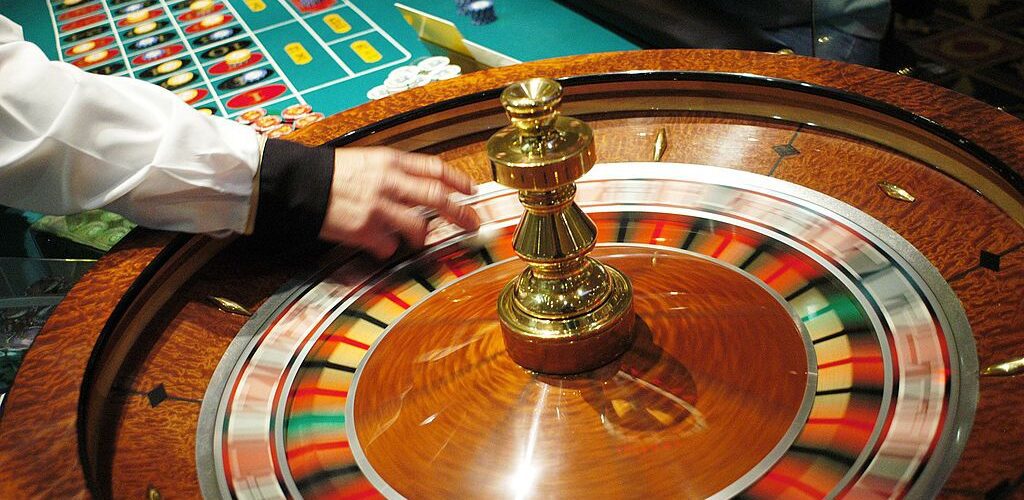
Roulette and the Story Of Gonzalo García-Pelayo
Gonzalo García-Pelayo has always lived in the spotlight, not out of a thirst for fame, but out of a need for intellectual expression. Long before he became known as “the man who cracked roulette,” he enjoyed a successful career as a music producer in Spain. He contributed to the popularity of Spanish rock and flamenco, discovering artists and producing albums that became cult classics.
His creative streak didn’t stop there. In later life, García-Pelayo shifted toward cinema, directing films with the same passion and energy that defined his work in music. At one festival in Buenos Aires, he presented eleven films, all shot within a single year. A feat that reflects his drive and appetite for bold, long-term projects.

But despite a life filled with artistic ventures, the chapter that forever changed his legacy and made him a legend was his adventure in the early 1990s. During these years, he developed a unique method that allowed him and his family to beat roulette across multiple casinos in Europe and beyond.
Their story spread so widely that the group became known simply as Los Pelayos, and the gambling exploits entered casino folklore.
The Secret Behind “Los Pelayos”
When Gonzalo spoke of his method, many outsiders imagined complex mathematical formulas or secret technological tricks. The truth was far more elegant and far more human.
The system was not based on cheating, hidden devices, or manipulating the game. It relied on three pillars:
- Awareness
- Observation
- Analysis
Awareness: Understanding Roulette’s Imperfections
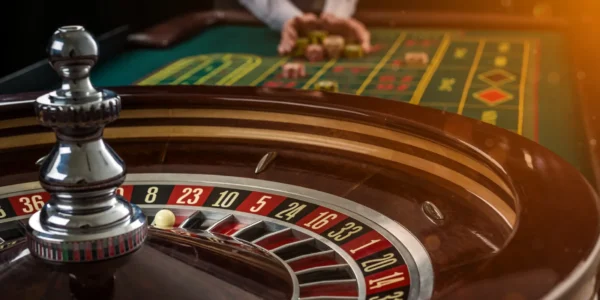
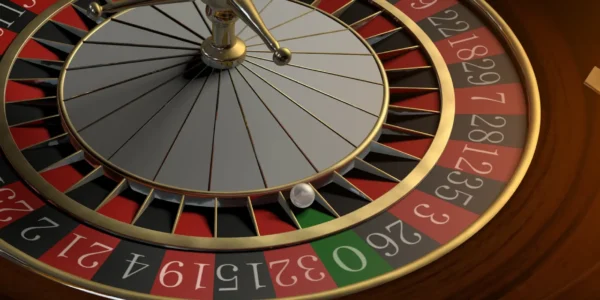
The first pillar came from a simple yet powerful insight that no physical roulette wheel can be perfect.
Just like earlier roulette legends like Joseph Jaggers, who famously beat the Monte Carlo casino in the 1870s, or Charles Wells, who broke the casino multiple times, Gonzalo García-Pelayo understood that roulette wheels, as mechanical devices, develop biases.
These imperfections, caused by wear and tear, manufacturing flaws, or differences in balance, may cause certain numbers to appear slightly more often than others over the long term. Most casinos assume randomness will smooth out such irregularities, but Gonzalo believed that with enough observation and the right analytical tools, patterns could be played.
Observation: Thousands of Spins, Recorded by Hand
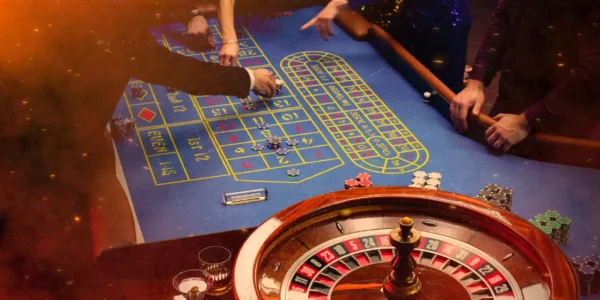
In the early 1990s, technology had advanced enough to allow systematic recording and computer analysis. Gonzalo and his family spent months sitting quietly at the Madrid Casino, writing down the results of thousands upon thousands of spins.
Night after night, they would document every number that appeared, noting sequences and compiling sheets of data.
This early phase required immense patience and absolute discipline, qualities Gonzalo had sharpened through years as a producer and director.
Analysis: The Birth of a Roulette Algorithm
Once thousands of spins had been collected, the Pelayo family transferred the results into a computer. Using basic software and statistical methods, they discovered that one roulette wheel showed a clear deviation. As certain numbers were appearing far more frequently than statistical probability would suggest. That wheel became their golden opportunity.
By the summer of 1992, less than a year after beginning their observations, the family had reportedly earned around 70 million pesetas, approximately €420,000 today.
From Casino Floors to Courtrooms: The Battle of the Pelayos
When a player consistently walks away with the equivalent of hundreds of thousands of euros in a single night, casinos take notice, as casinos don’t like losing.
As Gonzalo’s wins increased, casinos across Spain and Europe began issuing bans. Security staff escorted him and his family members out of casinos, sometimes without explanation. It didn’t matter that he had broken no rules. He simply won too much, and that was justification enough for casinos to protect themselves, but Gonzalo refused to give up.
He was convinced that his method was universal because physical imperfections exist everywhere. He and the Pelayo family embarked on a world tour of sorts. They visited casinos in Las Vegas, the Netherlands, Denmark, Australia and other locations.
Everywhere they applied the same formula of observing, analysing to identify a biased wheel, and playing strategically.
Their success was astonishing, and it is estimated that over these travels, they earned around 250 million pesetas, over €1.5 million today.
But the wins couldn’t last forever. Each time Gonzalo began winning in a new location, the casino quickly banned him, and word spread among gambling establishments. Soon, the Pelayos found themselves barred from casinos across entire countries.
The Legendary Spanish Court Case
In Spain, the bans evolved into a lengthy legal battle. Gonzalo argued that banning him was illegal because he had broken no rules. He did not use devices, manipulate equipment or interfere with the wheel. He simply observed and used publicly available information.
After ten years of trials and appeals, in 2004, the Spanish courts finally ruled in his favour, declaring that since the player did not influence the outcome of the roulette wheel in any way, his method could not be considered cheating.
This ruling set a historic legal precedent in Spain and became a reference point in international gambling law.
From History to Myth
The achievements of Gonzalo García-Pelayo and his family did not remain hidden in casino archives. They evolved into legend.
Their story inspired:
- The book “The Fabulous Story of Los Pelayos” (2003)
- The documentary “Breaking Vegas: The Roulette Assault” (aired on History Channel)
- The Spanish feature film “The Pelayos” (2012), directed by Eduard Cortés
In Spain, the story had enormous cultural resonance. The idea that an ordinary family could take on casinos and achieve wealth through probability, chance and intelligence was compelling and unusual.

A Family Built on Games and Strategy
The Pelayo legacy didn’t end with roulette. The family has remained deeply involved in games of skill and probability.
Gonzalo later turned his attention to poker, opening a dedicated school alongside his children. Once again, they approached the game with the same foundations of method, observation, and data.
Every member of the Pelayo family treated gambling not as entertainment, but as a professional discipline, akin to running a business.
This mindset also explains an anecdote repeated often. Gonzalo refused to give tips at the roulette table, not out of stinginess but because he viewed the entire operation as a professional endeavour, where emotion had no place.
Related Roulette Articles


Return to His First Love: Cinema
After achieving every possible milestone in gambling and leaving an indelible mark on casino history, Gonzalo returned to the world of cinema.
True to his character, he approached filmmaking with the same obsessive method and creativity he had used to beat roulette.
He directed multiple projects simultaneously, experimented with unique production techniques, and continued expressing the restless intellect that had defined him.
His films were showcased in festivals, gaining praise for their originality and the ambition behind shooting so many films within short time spans.
Legacy of Gonzalo García-Pelayo
The story of Gonzalo García-Pelayo is more than a tale about beating casinos. It is a testament to human curiosity, analytical thinking, family collaboration and the power of method and persistence.
He is a modern renaissance figure, part producer, part filmmaker, part mathematician, part strategist. His achievements in roulette broke the myth of “randomness” in mechanical games and forced casinos to adopt stricter maintenance and surveillance practices.
His legal triumph reshaped gambling law in Spain. His influence expanded into poker theory, filmmaking, and even statistical analysis applied to other fields.
Today, Gonzalo García-Pelayo stands not just as a gambler who won millions, but as a symbol of how intuition combined with science can rewrite the rules of long-established systems.
He proved that the boundary between chance and skill is thinner than most people believe and that with discipline, observation, and courage, even the most unbeatable games can be understood and analysed successfully.
Gonzalo García-Pelayo succeeds by looking closer, thinking deeper, and doing what no one else dares to try. His story continues to fascinate, decades after he first walked into the Casino de Madrid with a notebook, a pen, and a groundbreaking idea.

Top Content



Trending