Roulette vs. Other Casino Games: What Sets It Apart?
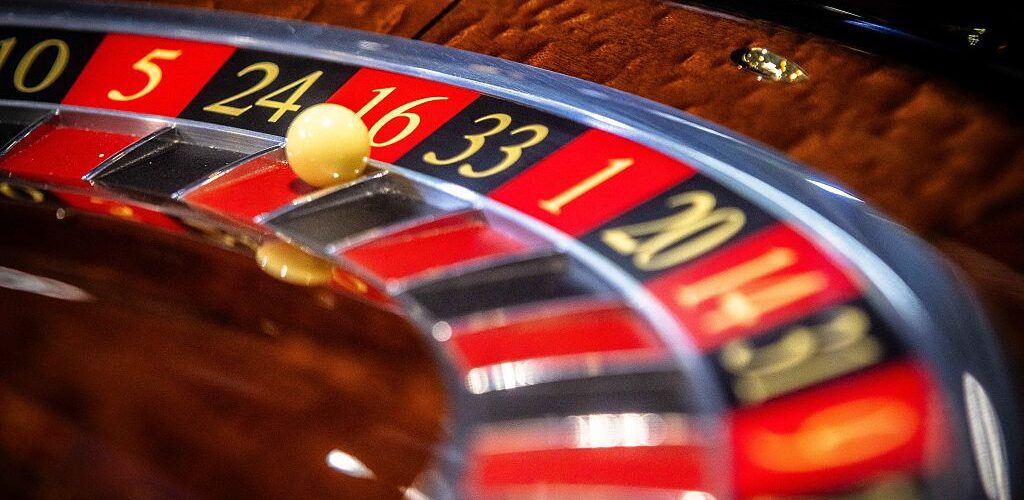
Roulette is one of the most played tables in the online casino. It’s the multi-coloured wheel, the bouncing ball, and the smooth felt where your bets are placed.
The game offers plenty of bets on its tables, including red or black, odd or even, single numbers, and combinations in between. It’s elegant, simple to play, and deep enough to keep mathematicians and gambling enthusiasts debating. But how does the game of roulette hold up against blackjack, baccarat, craps, poker, and online slots? What sets the roulette table apart?
This guide will cover the mechanics, math, pace, psychology, and player experience of roulette, and we will compare the table favourite to other popular casino games. Whether you’re new or sharpening your strategy, you’ll know what makes roulette great, what makes it not so great, and why players adore this game.
Playing Roulette
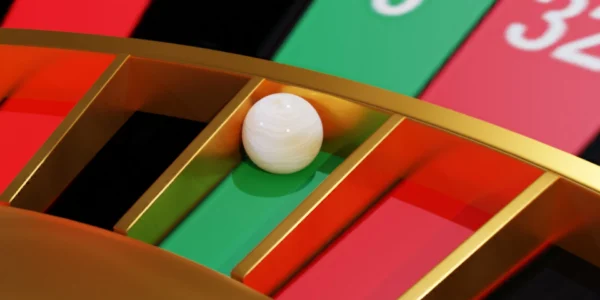
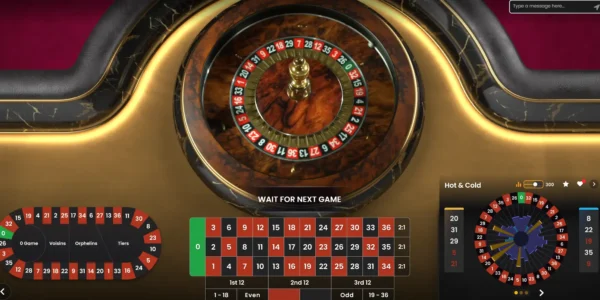
Roulette is a game of pure chance. The roulette wheel spins and the ball bounces around the numbered pockets. When the ball drops into a pocket, all open bets are settled. There are a few variations of roulette tables:
- European/French Roulette: 37 numbers (1–36 plus a single 0).
- American Roulette: 38 numbers (1–36 plus 0 and 00).
- Triple-zero variants: 39 numbers 1–36 plus 0, 00, and 000).
Of course, the more zeros on the board, the more the house edge favours the casino. The single zero roulette table has a house edge of around 2.7% while the double zero has a house edge of around 5.26% and finally, a triple zero table increases this to around 7.69%.
What Sets Roulette Apart?
One of the reasons that attracts so many players to the roulette table is the transparent math behind the game. The Roulette table’s probabilities are easy to grasp. On a European wheel, the expected loss on a 35:1 straight-up payout is 1/37 of your stake, which is about 2.70%. On an American wheel, it’s 2/38, or 5.26%. That transparency is not as clear in other casino games, for example:
- Blackjack can push the house edge down to 0.5% with the basic strategy and favorable rules, but it’s rule-dependent.
- Craps has a lot more bets, such as the Pass Line (1.41%), Don’t Pass (1.36%), and the free Odds are 0% house edge but require a qualifying line bet that does carry an edge.
- Slots range from 2% to 10% in house edge and will vary by operator and jurisdiction.
- Poker (vs. players) has no house edge in the same sense as the casino earns its edge through a rake.
The predictability of the Roulette table is refreshing in the casino. You know the math instantly from the wheel type. This makes it easier to place bets.
It’s a Game of Pure Chance
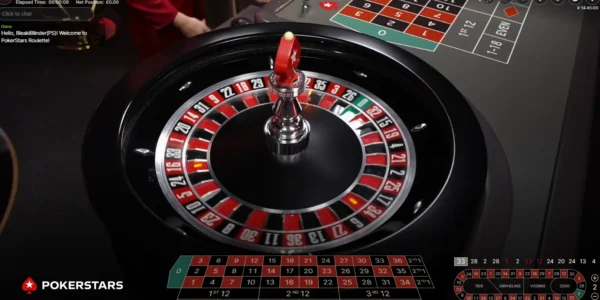
Roulette is a game that cannot be swayed by any systems, strategies, or skill. Unlike blackjack, you cannot influence the results of the game. The roulette table has a level playing field for a newcomer to someone who has enjoyed the game for many years. The house edge always remains the same.
Flexible Betting
Roulette accommodates low-volatility play like even-money bets on red/black, odd/even, high/low. But, you get high-volatility options with other bets. You can just place your chips on the table based on your own personal risk tolerance.
Pace and Entertainment
Unlike playing slots with spinning or blackjack’s card-by-card choices, roulette’s rhythm is steady and social. You can place bets, spin, watch, and cheer. The wheel’s design gives a sense of “realness” that players love. Although you can argue that Craps beats roulette for its high-energy play, roulette offers a calmer and easier style.
Roulette vs. Blackjack
Blackjack is a game that rewards the correct bet with every hand. Games that pay 3:2 for blackjack with the dealer sticking on 17 rules, and the perfect basic strategy in play, players can keep the house edge down to 0.5%.
Blackjack is an interactive game where you need to hit, stand, split, double, and make fast decisions. Roulette is more passive with placing bets and hoping for the best outcome. Roulette also offers a lot of variance, with even-money bets offering stable swings, but straight-up bets spike the variance. However, Blackjack variance is moderated by decisions and multi-card outcomes, but losing streaks still happen across both games.
If you want a lower edge and you’re willing to learn, then blackjack is an alternative option to roulette. If you want to do zero homework and enjoy a spectacle, roulette offers this.
Related Roulette Articles


Roulette vs. Baccarat
Roulette and baccarat are both easy games to play. Baccarat is Banker vs. Player with third cards drawn automatically. Roulette offers more betting variety, but all options revolve around one spin of the wheel.
When it comes to the house edge, Baccarat’s Banker bet is around 1.06% and is stronger than roulette’s standard 2.70–5.26% (unless you have French rules on even-money bets). The Tie bet in baccarat is around 14%.
Baccarat is like blackjack in the sense that it’s more ritualistic, whereas roulette is a game that is more open and social.
Roulette vs. Craps
Craps offers a sprawling bet ecosystem, which makes the game much more complex. It’s a game that scares players away, and is not as inviting as the roulette table. This is because new players can feel lost, but Roulette is immediately understandable for players of all levels.
The house edge in Craps’ Pass Line (1.41%) and Don’t Pass (1.36%) is better than American roulette and competitive with the single-zero roulette table.
Craps is the loudest, most communal table in the casino. Roulette is social but less of a rollercoaster than Craps.
If you want team energy and wish to learn a few smart bets, craps offers better odds. If you prefer simplicity and a seat right away, roulette’s offers this.
Roulette vs. Poker
Classic poker pits you against opponents and not the house. The casino takes a rake, rather than profiting off a house edge. The long-term results depend on skill, selection, and discipline. Roulette is the opposite, where no skill is involved but the house edge is constant.
Games like Three Card Poker or Ultimate Texas Hold’em have distinct edges of around 3% on common bets.
If you want a skill game, poker eclipses roulette but if you want zero pressure and zero strategy, roulette offers this.

Roulette vs. Slots & Video Poker
Slots offer single and fast play. Roulette advertises its math on the wheel.
Video poker games have transparent pay tables and with perfect play, offer excellent RTP (e.g., full-pay Jacks or Better can have an edge of just 0.66%. But you must learn a precise strategy. Roulette always stays simple, and you can choose risk levels without having to learn a strategy.
The Faces of Roulette
European vs. American: Single-zero (European) or double-zero (American). The difference is 2.70% and 5.26%.
French rules: On even-money bets, these tables reduce the edge to about 1.35% on a single-zero wheel.
Triple-zero wheels: The house edge can jump to 7.69%.
Modern twists: Some live/online versions add multipliers or side bets. These often change base payouts and can raise the house edge. Make sure you know how these extra bets work.
Volatility and Bankroll
Roulette gives you a level of control not seen in other games. This means you can manage your bankroll better. You can play it safer with even bets or look at larger bets. Here is a breakdown of the betting options available in roulette.
Even-money bets (red/black, odd/even, high/low): These bets have lower volatility and can offer frequent small wins/losses.
Dozens/Columns (2:1): These are middle ground bets.
Straight-ups, splits, corners: These are high volatility bets.
Compared to other games:
Blackjack variance is moderate
Craps variance depends on your mix of bets
Slots often feature very high variance (especially with bonuses)

The Psychology: Why Roulette Attracts Players
There’s something about the roulette wheel that draws interest.
Visible physics: The ball, the wheel, and the spin are right there, and your brain wants to “read” it, even though outcomes are random and based on luck.
Gambler’s fallacy magnet: Long streaks of red do not make black “due.” Each spin is independent of the next. The fallacy is part of roulette’s lore, and learning to ignore it is important.
Illusion of control: Choosing patterns such as neighbors, favorite numbers, “hot” sectors feels skillful, but it’s not. It’s entertainment, not an edge.
Social: Shared gasps and groans offer a communal experience without craps-level intensity.
Helpful Roulette Habits
- Choose the right wheel: Single-zero roulette beats double-zero,
- Manage stakes: Decide your session budget and unit size beforehand. Roulette’s steadier pace helps you keep to a plan.
- Know the payouts: Mistakes happen; clarity reduces errors and speeds betting.
- Martingale (or any progression): Doubling after losses doesn’t change the house edge – it just increases risk and runs into table limits or bankroll constraints.
- Hot/cold number chasing: The previous spins don’t predict future ones.
Roulette Etiquette
You can ensure you have a good roulette experience by considering the table etiquette. This means placing chips cleanly and early. Indicate inside vs. outside bets clearly and ask the dealer for help if needed. Additionally, no more bets means no more bets. Once the dealer waves off, do not try and bet. You can also tip the dealer after the session, should the game allow for it.
Roulette is one of the easiest games to join without slowing down the table. The low friction is part of its charm.

Live, Online, and Hybrid Experiences
Roulette is available in many forms and can be played from your mobile device.
Brick-and-mortar: The classic vibe with dealer calls, real bouncing balls, and a sociable table of players. These games deliver roughly 40–60 spins per hour, depending on pace and crowd.
Online RNG roulette: This version is faster and more solitary, with instant bet resolution.
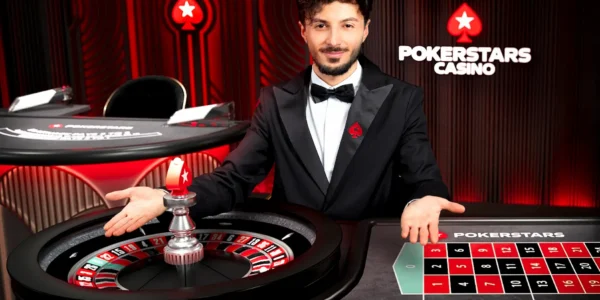
Live-dealer online: This version streams the roulette table in real time from a land-based casino studio. You get the theater at a higher pace than a land-based casino without the added pressure.
In all settings, always check the rule card: single vs. double zero, French rules, multipliers, and table limits shape the roulette value.
Where Roulette Shines
Accessibility: You can learn the game in two minutes.
Flexibility: One table with many betting profiles.
Transparency: You can work out the edge from the wheel.
Aesthetic pleasure: It’s classy, elegant, and welcoming.
Tips for Better Roulette
- Seek single-zero tables and avoid triple-zero wheels.
- Decide your budget and bet size before you sit.
- Match bets to intent: Place even-money and dozens/columns for longer sessions
- Ignore the board. Past spins mean nothing.
- Take breaks. Roulette’s tempo makes it easy to lose track of time.
- Don’t chase losses. End sessions on your terms, not on “one last spin.”
Responsible Roulette Play
All casino games carry a house edge, and roulette is no exception. You should only play as a form of entertainment and never as a way to make money. You should set limits, take breaks, and never wager money you can’t afford to lose. If gambling stops being fun, step away and seek support if needed.
Final Verdict
Roulette is the purest form of casino entertainment. The rules can be learned in seconds, and it offers a captivating spectacle. The betting canvas suits both cautious budgets and thrill seekers. Although it doesn’t offer the lowest house edge, it does deliver a uniquely transparent betting experience with a clear mathematical backbone.
If you value simplicity and variety, roulette is hard to beat. Either way, understanding roulette’s strengths and limitations lets you choose the game that fits your needs.

Top Content


Trending