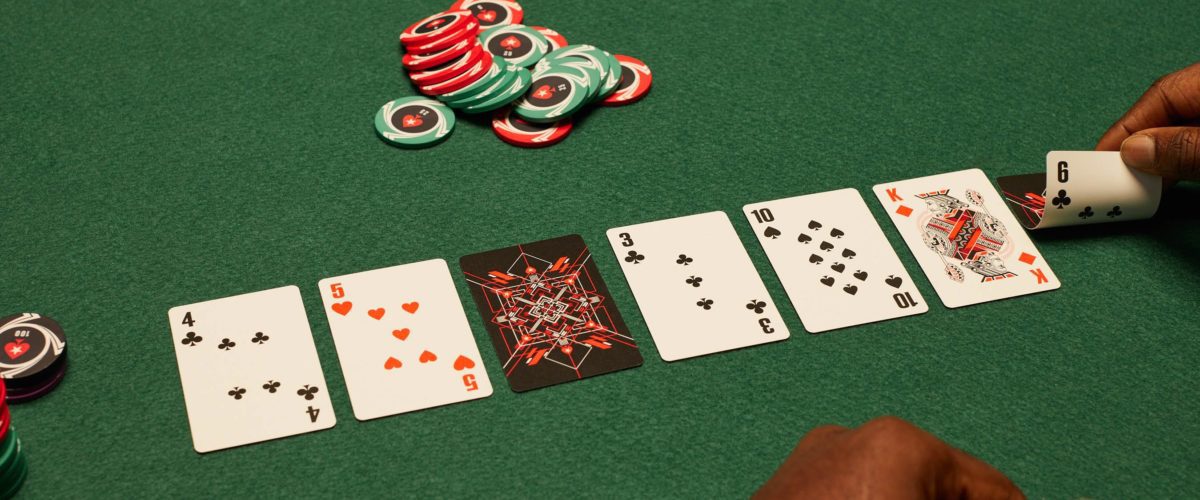
Pot Control in Poker
Usually, the strength of your hand determines whether you want to play a big or small pot. This is especially relevant in no limit Texas Hold’em, where pots can grow to be huge very quickly.
Factors like position, board texture, number of opponents, and opponent’s ranges are all relevant whenever you’re deciding on a betting line, so you’ll need a plan that takes all these variables into account.
A good poker player will try to make sure that they are in control of the hand and managing the size of the pot. You want to make sure you inflate the pot and win loads of chips with your monster hands, while getting away cheaply and losing the least when you are behind.
What is Pot Control in Poker?
Pot control in poker is when you look to keep the pot small by checking or flat calling bets, rather than using aggressive betting lines such as betting and raising. The aim of pot control is to make it to showdown as cheaply as possible, usually with a medium strength hand that has some showdown value but is not strong enough to want to build the pot.
Pot control allows you to minimize losses when you are behind, without having to fold what could be the winning hand. Check-calling lines also allow you to stay in the pot with marginal hands and bluff catchers that cannot value bet.
Pot Control and Position
Pot control is significantly easier to implement when you are in position – yet another reason why you should always have one eye on the dealer button. In position, you’ll have more opportunities to take a free card or check the river to showdown. Even if the out of position player leads, you can simply call them down on as many streets as you can profitably call.
From out of position, you won’t have the luxury of seeing how your opponent will act and your passive pot control betting lines can be readily attacked by aggressive opponents. You’ll need stronger starting hands and postflop hand ranges to stay in the pot out of position.
When to Use Pot Control?
Pot control is useful when you have a marginal or vulnerable hand that is too strong to fold but too weak to bet for value. Common pot control hands in poker include top pair weak kicker, middle pair, underpairs and even weak two pairs in some situations.
When you practice pot control, you’re not looking to build the pot. Your key aim is to make it to showdown without risking too much of your stack. Consider using pot control when:
- You have a marginal or medium strength hand.
- You won’t be able to get value from weaker hands by betting or raising.
- You have position, allowing you to take free cards or flat call small bets.
- The board is dry, so you don’t have to protect your hand against draws.
- You’re up against a tight player who is unlikely to bluff or bet worse hands across multiple streets.
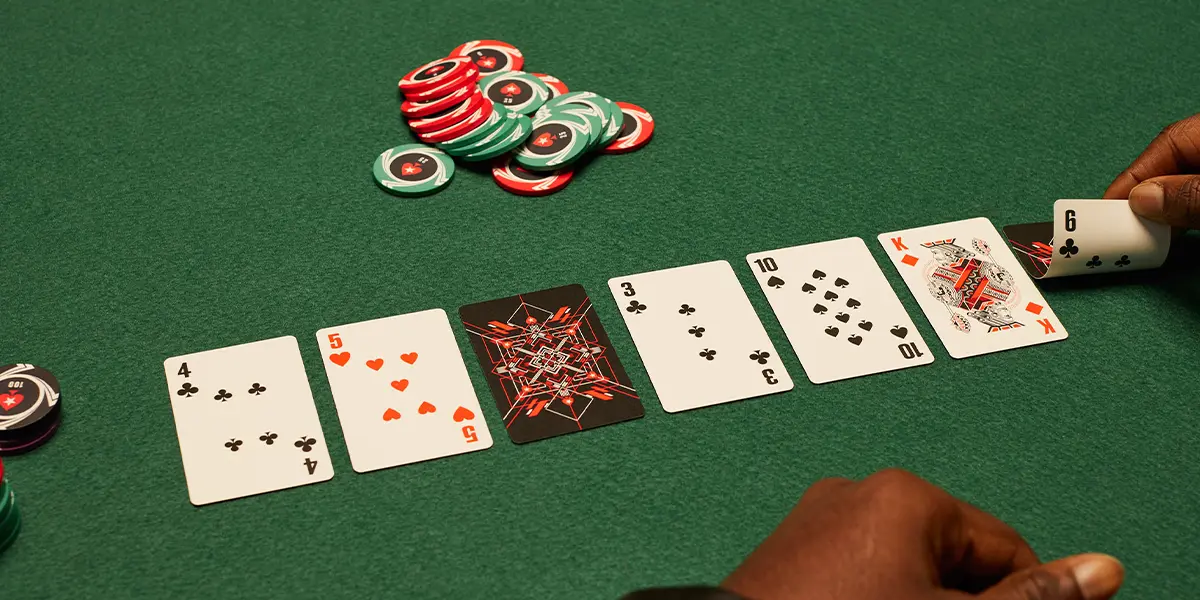
Pot Control Examples
Here are some examples of pot control in action:
Pot Control Example 1 – Controlling the Pot
Player A: ?
You: 10♥9♥
Board: J♦9♠7♣2♣
Player A raises to $4 from middle position and you decide to call with 10♥9♥ on the button. All the other players fold. Your opponent checks to you on the flop. You could bet your middle pair hand, but you can’t be too comfortable with your holding. You decide to bet and Player A calls. Your opponent checks again on the turn. This time, you check behind for pot control to avoid building a bigger pot. Your plan is to check river to showdown if you get the chance.
Counter Example – Building the Pot
Player A: ?
Player B: ?
You: 7♦7♠
Board: 9♥7♥J♣
Player A raises from early position and Player B calls in middle position. You call on the button. Player A makes close to a pot-sized c-bet and Player B comes in with a raise. You have a set of sevens, which is way too strong to fold. It’s possible that you are beat, but with so many possible draws and weaker hands to get value from, raising or shoving is the best option here.
The first hand showed a situation in which pot control is crucial. You need to keep the pot small with some hands, and middle pair with an average kicker is one of those times. You still have a good enough hand to win a lot of showdowns, but you don’t want to be pouring money in the pot.
In the second hand, you flopped a set and the action and texture of the flop demanded a big pot. With multiple players, such a wet board, and a very strong hand like a set, you should be thrilled to bet for value. If you’re beat, then so be it. But as long as you are able to get your chips in the pot as a favorite, you will make a profit in the long run.

Common Mistakes Players Make with Pot Control
Here are some common mistakes that players make when it comes to pot control in poker:
- Becoming passive – Pot control should not become a passive way to play where you simply give up or keep the pot small when you are unsure. It is a deliberate betting line that should only be used when it is the most profitable way to play the hand.
- Pot controlling with value hands – If you have a strong hand, or even a medium strength hand that can get called by worse, your main priority should be finding value. Don’t miss value bets by checking or flat calling.
- Giving away free cards – Pot control works best on dry board textures when the next card is unlikely to drastically alter the action. On draw heavy boards, you may have to bet for protection rather than practicing pot control.
- Playing out of position – Pot control is easier to execute from in position. Out of position, check-calling several streets of betting can soon turn into spewy play.
- Never folding – Pot control also shouldn’t be used as a substitute for folding. Getting out of the pot early is the best option if you are beat.
