Blackjack Endgame Strategies: How to End the Session Positively
Blackjack online is often described as a game of quick decisions and sharp instincts, but it’s not just about the cards. To consistently play well, especially over the long term, players must learn to manage more than just hands. They must manage online casino sessions and make sure they know when to end them.
Too often, players focus on the beginning, what strategy to use, how much to stake, which table to choose, but the real skill lies in knowing how to finish.
That final phase of play known as the “endgame” can be the difference between walking away with winnings or letting them slip through your fingers.
Knowing when to stop, how to evaluate your current position, and how to handle tilt or fatigue is vital. The longer the session runs, the more factors like psychology, bankroll variance, and decision fatigue start to influence outcomes. This is where many players unravel.
Whether you’re a casual player or someone seeking consistency at the tables, learning how to close a session positively is an essential part of mastering the game.

Understanding the Blackjack Session Arc
To truly master blackjack strategy, you need to think beyond individual hands. Each session has an arc that covers every move from your first bet to the moment you leave the table.
The key to ending on a positive note lies in recognising this arc and knowing how to respond at different stages of your gameplay.
The Opening Phase
At the start of a session, most players are focused, cautious, and typically playing close to basic strategy. Bankroll is fresh, emotions are in check, and the stakes tend to reflect a logical, well-planned approach.
This is when decision-making is at its sharpest, and players are least vulnerable to risk-taking or impulsive moves.
The Mid-Session Drift
As the session progresses, players may become more relaxed or more reckless. Wins can lead to overconfidence. Losses may push players toward chasing their money.
This middle phase is the most volatile part of a blackjack session. It’s where discipline can start to crack and where fatigue or tilt may creep in.
Even seasoned players can fall into bad habits during this period, abandoning strategy for instinct or emotion.
The Endgame Phase
This final phase is where outcomes are cemented. Unfortunately, many players fail to prepare for it. They overstay at the table, let ego drive decisions, or adjust their bets irrationally.
The endgame phase isn’t about pushing for a miracle, it’s about locking in gains or limiting losses.
Ending a session positively doesn’t always mean walking away ahead. It can also mean knowing when to cut your losses, avoid further risk, and walk away with your discipline and bankroll intact.
Understanding these phases isn’t just theoretical. Recognising where you are in the arc helps inform your strategy, particularly as you approach the end of a session. You’ll know when to tighten up, when to maintain focus, and most importantly, when to leave.
Recognising When to Leave the Table
One of the most underrated skills in blackjack, especially among recreational players, is knowing when to walk away.
Whether you’re ahead, behind, or even, deciding to end the session at the right time can make the difference between a disciplined player and one who’s chasing losses or riding on borrowed luck.
When You’re Ahead
Winning can be intoxicating. After a good run, it’s tempting to keep playing and “ride the wave.” But that’s where many players fall into the trap of giving it all back.
A positive endgame strategy requires you to acknowledge when you’ve hit a target, whether that’s doubling your buy-in or reaching a pre-set goal, and walk away.
Set a realistic profit target before you start playing. It might be 20%, 50%, or 100% of your initial bankroll. The number matters less than the discipline to stop once it’s reached. If you’re consistently walking away with some profit, you’re already ahead of the majority.
When You’re Even
You may not feel satisfied because you haven’t won anything, but breaking even, especially after a rough stretch, is a time to consider your next move.
If you’ve managed to grind back from a downswing or avoid falling behind despite bad variance, it may be time to reset and walk away even.
When You’re Behind
No one likes leaving a session in the red, but accepting a loss is part of long-term success.
Smart blackjack players understand that not every session can be a winning one. The key is limiting the damage.
Set a stop-loss limit before you play, a figure that you’re willing to lose without letting it impact your broader bankroll or mood.
Walking away while behind might feel like defeat, but in reality, it’s a strategic retreat. It’s how serious players preserve their bankroll, maintain mental clarity, and set themselves up for a better session next time.
An Emotional Exit
Another reason to leave the table, regardless of your bankroll, is emotional fatigue.
Feeling frustrated, impatient, angry or overconfident? That’s a sign it’s time to stop.
Emotional decision-making has no place in blackjack. End the session, take a break, and return only when your mind is clear.
Recognising when to leave is more than a financial decision, it’s a mental one. The best endgame strategy is one that preserves both your money and your mindset.
Bankroll Management and the Endgame
Every seasoned blackjack player knows that managing your bankroll is just as important as knowing basic strategy. It’s your buffer against variance, your tool for managing risk, and the foundation for long-term success.
But when it comes to closing a session, bankroll management becomes even more strategic.
What Is Bankroll Management?
At its core, bankroll management is the practice of setting aside a fixed amount of money specifically for playing blackjack.
This is not your rent money or your holiday fund, it’s money you can afford to lose. Think of it as your “operating capital” for the game.
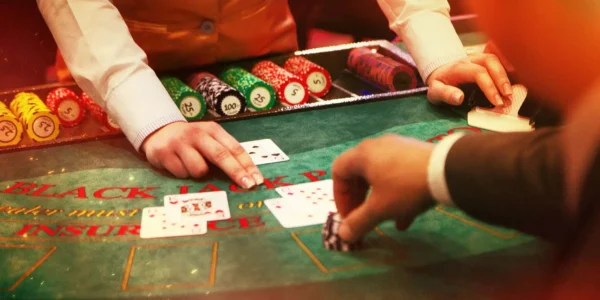
Players should divide this bankroll into smaller units. A common recommendation is to bet between 1–5% of your total bankroll per hand. For example, if you have £500 set aside for blackjack, a typical bet might be £5–£25 depending on your experience and risk appetite.
Endgame Bankroll Strategy
Endgame bankroll management focuses on when and how to stop before your budget is drained or your winnings disappear.
One of the most effective tactics is the stop-loss and stop-win system.
The Stop-Loss / Stop-Win System Explained
- Stop-loss: A predetermined point where you’ll quit the session if things don’t go your way. This might be 20% or 30% of your starting session stake. If you sit down with £200, a stop-loss at 30% means you walk away if you lose £60.
- Stop-win: This is your target profit—what you’ll walk away with if the session goes well. It might be set at 50% of your stake. Using the same £200 example, you’d leave with a £100 profit if you hit that figure.
These thresholds serve a vital purpose. They remove emotion from decision-making.
When you’ve hit either limit, the decision to walk away isn’t based on “feeling lucky” or “getting revenge on the dealer.” It’s simply a matter of following your plan.

Scaling Down in the Endgame
As your session nears its natural end it can be wise to scale down your bets.
Reducing your wager size during the final phase of play gives you more hands to enjoy, helps avoid dramatic swings, and cushions against sharp losses that could erase your gains.
Think of it as easing off the accelerator. You’ve had a solid run so there’s no need to risk it all trying to make one last big win.
Stick to the Numbers
The most disciplined players treat blackjack as a numbers game. They don’t bet more when they’re behind, they don’t go all in because they feel a hot streak coming, and they certainly don’t ignore their stop points.
Managing your bankroll effectively, especially at the end of a session, isn’t about playing longer, it’s about playing smarter.
Adapting Strategy as the Session Progresses
Many blackjack players enter a session with a fixed strategy in mind. Perhaps they follow basic strategy to the letter, or maybe they lean on experience and intuition. But as the session unfolds, hands are played, wins and losses accumulate, your strategic mindset needs to shift.
This is particularly important as you approach the endgame.
Reading the Table and the Session Flow
Every blackjack table has a rhythm. Sometimes you’re riding a steady winning streak. Other times, the dealer can’t seem to bust no matter what.
While each hand is statistically independent, patterns in the flow of the game can help inform your choices.This doesn’t mean abandoning logic for superstition. Rather, it’s about adapting to the moment.
If you’ve been playing for an hour and fatigue is setting in, your decision-making might slow. Recognising that is the first step in adjusting your strategy, perhaps by taking a short break or winding down your bets.

Adjusting Bet Sizes Thoughtfully
As we’ve already covered, bankroll preservation is key in the endgame.
But even before reaching your stop-win or stop-loss, consider tapering your bets if the momentum is slipping or your focus is waning.
If you’re still feeling sharp, you might increase your bets modestly, but only within reason and always under the umbrella of your bankroll rules. Doubling your wager just because you’re “on a roll” is a classic way to give back your winnings.
A smart player adapts not with emotion, but with purpose.
Focusing More on the Dealer
In blackjack, the dealer’s upcard is your best friend (or foe). As you near the end of your session, you might feel pressure to play more aggressively to finish on a high but this is precisely the moment to double down on reading the dealer’s hand.
Is the upcard between a 2 and 6? Then the dealer is more likely to bust, and you should play conservatively. Is it a 10 or an Ace? Then it’s time to be cautious, perhaps even consider surrendering if the table allows it and the situation calls for it.
While this isn’t new advice, it becomes especially important during the closing stages of play, when emotions tend to override logic.
The Psychology of Ending
Adapting strategy isn’t only about odds and cards, it’s about mental sharpness. Blackjack can be an emotional rollercoaster. One hot streak can inflate your confidence while a series of losses can tilt your decisions.
Good players know that their mindset is a critical part of their game and it’s at its most vulnerable at the end.
The goal in this phase isn’t necessarily to maximise profits but to leave the session on a stable footing, mentally and financially. That means recognising when your strategy needs to change, when to pull back, when to walk away, and when to trust that slow and steady wins the day.
Tracking Results and Analysing Performance
Many players focus solely on how much they won or lost in the moment, but few take the time to track and analyse their results across multiple sessions. This kind of reflection can transform short-term experiences into long-term learning, helping players build stronger endgame habits.
A simple player log or session journal is one of the most effective tools for this. Recording each session doesn’t need to be complicated. At minimum, note down:
- The starting bankroll
- Time spent at the table
- Win/loss at the end of the session
- Average bet size
- Any significant shifts in strategy or emotions
By consistently logging this information, patterns begin to emerge. Perhaps you tend to lose focus after a certain length of play, or maybe you notice your results drop when you increase your bet sizes out of frustration.
These insights are invaluable in spotting weaknesses that only show up over time, particularly in the endgame phase, when discipline often wavers.
Another benefit of tracking is that it brings objectivity to your play. In the heat of a session, memory can be selective, you might only recall the big wins or the painful losses. A written record removes bias, giving you a clearer picture of your actual performance. This objectivity makes it easier to set realistic win goals, refine exit strategies, and avoid emotional decision-making in the future.
Finally, reviewing past sessions also helps reinforce positive behaviours. If you see that disciplined exits often left you with smaller but consistent wins, you’re more likely to repeat that behaviour next time. Over the long run, this habit of reflection can turn the endgame from a risky phase into a structured, strategic close to each session.
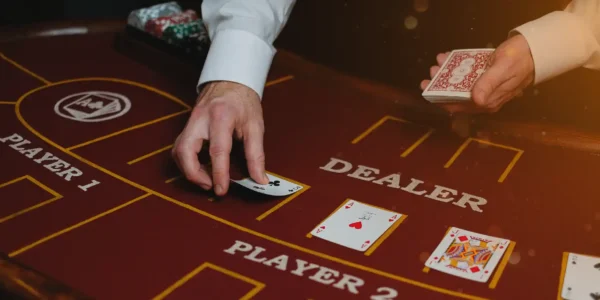
Online vs. Live Casino Endgame Strategies
While the fundamentals of blackjack remain the same, the environment you play in has a major impact on how you approach the endgame.
The difference between an online casino and a brick and mortar casino is more than just convenience, it directly affects pace, focus, and your decision-making when it’s time to walk away.
In online blackjack, speed is often the biggest factor. Digital dealing is much faster than a live game, which means more hands are played per hour.
This accelerates both wins and losses, and it also means players can reach the endgame phase far quicker.
Features like auto-play or “quick deal” can make it tempting to continue for longer than planned, while the absence of natural breaks (such as shuffling or table chatter) can cause fatigue without the player realising it.
For this reason, online players benefit from setting time-based limits in addition to bankroll limits, ensuring they don’t overplay simply because the game runs at such a fast pace.
On the other hand, live tables pose a different challenge. The atmosphere with its noise, lights, and energy can cloud judgement, especially in the later stages of a session.
Social dynamics also play a role. Seeing other players win, losing to a lively dealer, or even feeling pressure from the crowd can make it harder to stick to your planned exit.
Psychological Tricks to Avoid Overplaying
One of the hardest parts of blackjack is knowing when to stop. Even players with strong bankroll management can fall into the trap of “just one more hand.”
This mindset is dangerous because it shifts decision-making from strategy to emotion.
Recognising and addressing this urge is vital for protecting your winnings and avoiding deeper losses in the endgame.
A key trick is to reframe how you define success.
Many players equate success with leaving the table on a win, but this isn’t realistic. Blackjack is a long-term game with natural ups and downs.
Instead, success should be measured by whether you stuck to your session goals, whether you managed your bankroll properly, and whether you left before emotions took control.
By focusing on these controllable factors, you make the exit feel like part of your strategy, not a concession.
Another helpful technique is to develop a ritualised session close.
This could be as simple as cashing out chips immediately when you reach your stop point, pausing to take a deep breath before leaving the table, or making a quick note in your session journal.
Creating a routine conditions your mind to associate these actions with closure, making it easier to step away without regret or second-guessing.

Finally, try using a mental anchor, a reminder of why you set limits in the first place.
This might be a personal rule like, “I play for entertainment, not to chase losses,” or even a pre-agreed plan to use winnings for something tangible outside the casino. Anchors keep perspective in check, turning what might feel like giving up into a deliberate and rewarding choice.
FAQs
What is the best way to set a win goal?
Should I double down if I’m winning?
Is it ever smart to play longer to chase losses?
How do professionals decide when to leave a blackjack session?
Conclusion
Blackjack is a game of skill, strategy, and discipline, but how you finish a session is often more important than how you started it. It’s not something that most players can afford to overlook.
Many players spend hours learning basic strategy or bankroll management yet overlook the exit, which is where results can shift dramatically. The endgame is where emotions run high, focus wanes, and poor decisions creep in. By treating the close of play as part of your overall strategy, you give yourself the best chance of leaving the table on solid ground.
The final takeaway is simple: a smart exit is not a sign of weakness, but a mark of control. Walking away according to plan protects both your balance and your mindset, setting you up for future sessions with clarity rather than regret.
End your sessions deliberately, not by chance, and you’ll transform the endgame from a risky phase into a defining strength of your blackjack play.

Top Content



Trending