Blackjack Switch: A Guide to Learning About This Variant
Blackjack online has always been one of the most popular online casino games around, thanks to its mix of strategy, skill, and fast-paced action. Yet over the years, new variations have been introduced to keep the game fresh and engaging for players.
One of the most distinctive and widely recognised of these is Blackjack Switch, a modern twist on the classic that adds a unique layer of strategy and excitement.
Invented by British card game designer Geoff Hall, Blackjack Switch gives players something they can’t do in traditional blackjack: the ability to switch the top cards of their two hands.
At first glance, this may seem like a small rule change, but it completely reshapes the way the game is played. The chance to improve hands through switching creates new decision-making challenges, while the house balances the advantage by adjusting some of the standard rules.
Unlike classic blackjack, where the rules are consistent worldwide, Blackjack Switch introduces a few quirks that players must learn before sitting down at the table.
From the Push 22 rule, where a dealer total of 22 results in a push instead of a bust, to blackjack paying even money instead of 3:2, these modifications give the game its own personality.
This guide will take you through everything you need to know about Blackjack Switch. We’ll look at its history, the rules, side bets, and the strategies that separate casual players from skilled ones.
Whether you’re considering trying it in person or online in a live casino, you’ll finish this guide with a clear understanding of how to approach Blackjack Switch and why it has become a favourite for those who enjoy blackjack with a twist.
History & Origin
Blackjack Switch is a relatively new addition to the long history of blackjack, but it has already earned a loyal following among players who enjoy games with a strategic twist.
The variant was created by Geoff Hall, a British card game designer and casino dealer who wanted to address one of blackjack’s most frustrating moments – being dealt two weak hands with little chance of success.
Hall’s idea was simple but powerful, allowing players to switch the top cards of their two hands, giving them more control and a chance to turn poor hands into winning ones.
To keep the game balanced, he paired this innovation with house-friendly rules such as blackjack paying even money (1:1) instead of the traditional 3:2, and the introduction of the Push 22 rule, where a dealer total of 22 does not bust but instead results in a push against all non-busted hands.
The concept was tested in the early 2000s and proved popular enough to be patented in 2009. Soon after, major casinos in Las Vegas and across the United States began offering Blackjack Switch as part of their blackjack online selection. It quickly spread to casinos in Europe and online platforms, where software providers saw the potential for a fresh take on a classic game.
What makes Blackjack Switch stand out in casino history is that it reflects a wider trend: players seeking more interactive versions of traditional games.
Unlike many novelty variations that fade over time, Blackjack Switch has endured because it strikes a balance between familiar rules and innovative gameplay.
Today, it is found in both land-based and online casinos, cementing its reputation as one of the most successful blackjack variants ever introduced.
How to Play – The Basic Rules of Blackjack Switch
At its core, Blackjack Switch is very similar to traditional blackjack. The aim remains the same, to beat the dealer by getting closer to 21 without going over. What sets this variant apart are the extra rules and adjustments that redefine how each hand unfolds.
Two Hands and Equal Bets
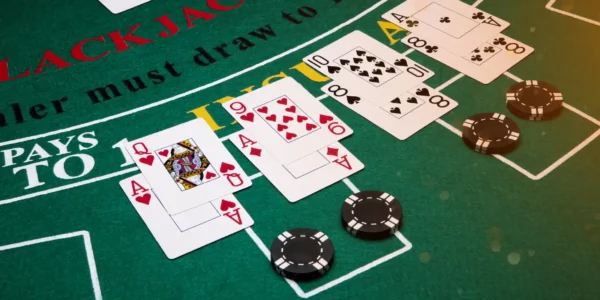
Every round begins with players placing two equal bets, one for each hand. The dealer then deals two hands to the player, as well as their own cards. This dual-hand setup is what makes the “switch” mechanic possible.

The Switch Mechanic
After the initial deal, players have the option to switch the top card of each hand. For example, if your first hand shows a 10 and a 6, and your second hand shows a 5 and an Ace, you could switch the Ace and the 6 to create a strong blackjack (Ace + 10) and a modest 11. This mechanic allows players to turn losing hands into powerful ones, but it also requires careful judgment, as switching is not always the best move.
Dealer Rulers For Blackjack Switch
To offset the advantage of switching, Blackjack Switch introduces some unique dealer rules:
- Push on 22: If the dealer’s hand totals 22, all active player hands push instead of the dealer busting. The only exception is when the player has a natural blackjack, which still wins.
- Blackjack Payouts: A natural blackjack pays even money (1:1) instead of the usual 3:2.
- Dealers generally hit on soft 17, though this can vary depending on the casino.
Standard Options Still Apply
After deciding whether to switch, players continue as they would in regular blackjack, hitting, standing, doubling down, or splitting. Most casinos allow doubling on any two cards, and splits are usually permitted, although exact rules vary by venue.
The Balance of Play
The combination of switching and modified rules creates a game that feels familiar yet distinctly different.
The switch mechanic adds strategic depth and excitement, but the house rules ensure the casino retains its edge. Players must therefore adapt their strategies, learning when switching is beneficial and when it might lead to a weaker outcome.

Rule Variations & Table Differences
Although Blackjack Switch follows a consistent structure worldwide, some rule variations exist depending on the casino or platform where you play.
These subtle differences can have a noticeable impact on strategy, so it’s important for players to understand the details before taking a seat.
Deck Count
Most Blackjack Switch tables use six or eight decks, shuffled together. The number of decks used in blackjack slightly affects the house edge. Generally, the more decks in play, the higher the edge for the casino.
Dealer’s Play on Soft 17
In many casinos, dealers are required to hit on a soft 17 (Ace + 6). This rule favours the house because it gives the dealer an extra chance to improve their hand. Some casinos may have the dealer stand on soft 17 instead, which slightly improves player odds.
Doubling and Splitting
Doubling is usually allowed on any two initial cards, including after a switch. Players can also split pairs, often up to three or four times, depending on house rules. Re-splitting Aces may or may not be allowed, so it’s worth checking before you play.
Insurance Rules
Like standard blackjack, Blackjack Switch typically offers insurance against a dealer Ace. However, because of the game’s modified rules and reduced blackjack payout, insurance is usually considered a poor value bet.
Table Layout
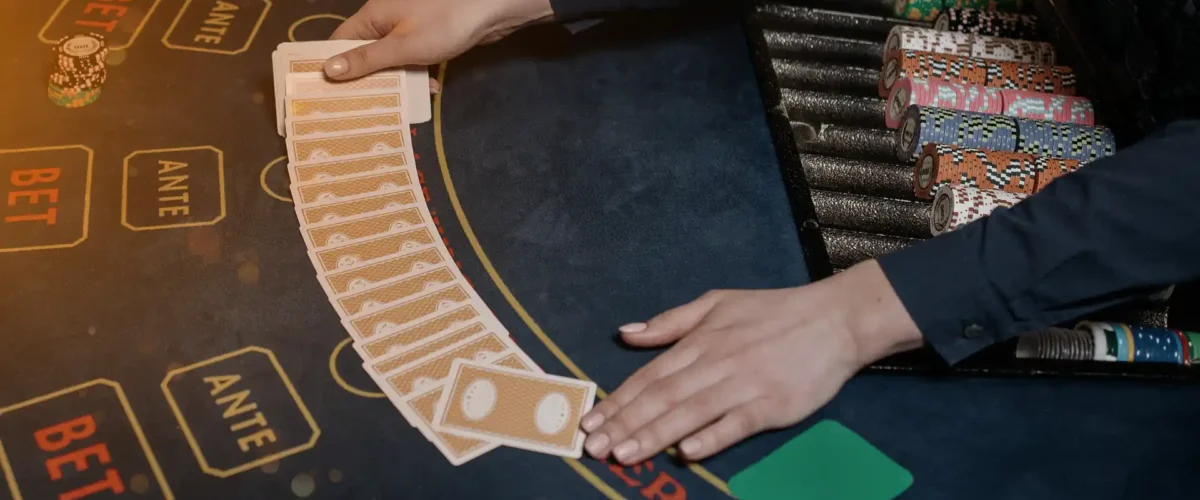
Visually, Blackjack Switch tables look almost identical to regular blackjack tables, with the key difference being space for two betting circles per player, reflecting the two hands in play.
Why Rule Differences Matter
While these variations may seem minor, they can alter both the optimal strategy and the overall house edge.
A player who understands the nuances, such as whether the dealer hits or stands on soft 17, will be better equipped to make smart endgame decisions.

In short, always check the specific table rules before starting a Blackjack Switch session. Knowledge of these small differences can make a big impact over time.
The Super Match Side Bet For Blackjack Switch
Alongside the main game, many Blackjack Switch tables feature a popular optional wager known as the Super Match side bet.
Unlike the switch mechanic, which affects how the hands are played, Super Match is a simple bet based purely on the initial four cards dealt to the player across their two hands.
How It Works
Before the cards are dealt, players can place a chip in the Super Match betting circle. Once the four player cards are revealed, the outcome of the side bet is determined:
- If the four cards contain a pair, two pairs, three of a kind, or four of a kind, the bet pays out according to a fixed pay table.
- If no qualifying combination appears, the side bet is lost, regardless of how the main hands play out.
Typical Payouts
Exact payouts vary slightly by casino, but a common structure looks like this:
- Pair – 1:1
- Three of a Kind – 5:1
- Two Pairs – 8:1
- Four of a Kind – 40:1
Because the wager is resolved immediately after the initial deal, it adds some extra excitement at the start of each round.
The House Edge
As with most side bets, Super Match comes with a higher house edge than the main game.
While the chance of hitting a pair is relatively common, bigger combinations like three- or four-of-a-kind are rare. This means the casino’s advantage is stronger on the side bet than on the regular hands.
Should You Play It?
For casual players, Super Match offers entertainment value and the chance at a quick payout. However, for those focused on strategy and minimising the house edge, it’s generally considered a “fun” bet rather than a profitable long-term option.

Comparing House Edge & Odds
One of the most important things to understand about Blackjack Switch is how its rule changes affect the house edge.
On the surface, the ability to swap cards between two hands looks like a significant advantage for players. In reality, the casino balances this benefit with rules that tilt the odds back in its favour.
Push on 22
The most influential rule is the Push 22. In standard blackjack, a dealer busts if they exceed 21, which is a clear win for the player.
In Blackjack Switch, however, a dealer total of 22 results in a push against all non-busted hands (except a natural blackjack). This single adjustment increases the house edge substantially and explains why many promising switched hands still end without a payout.
Blackjack Payouts
In regular blackjack, a natural 21 pays 3:2. In Blackjack Switch, that payout drops to even money (1:1). While it might seem like a small change, it removes much of the long-term profitability players enjoy in the classic game.
Overall Edge
According to mathematical analysis, the house edge in Blackjack Switch typically sits around 0.58% to 0.60% when played with perfect basic strategy.
That’s slightly higher than standard blackjack, which can be as low as 0.5% under favourable rules.
However, compared to other blackjack variants, it remains a relatively player-friendly game, providing that you understand when and how to switch.
Odds in Practice
The switching option gives players a sense of control, but it does not guarantee consistent wins. The best outcomes occur when switching creates a strong hand against a weak dealer upcard. Over time, though, the altered rules ensure the casino maintains its edge.
When to Switch
The defining feature of Blackjack Switch is, of course, the option to swap the top cards between your two hands.
While it may look straightforward, switching is far from automatic. Making the right decision depends on both the strength of your potential new hands and the dealer’s upcard.
Knowing when to switch and when to hold is what separates casual play from a strategic approach.
General Switching Principles
The goal of switching is to create the strongest possible combination across your two hands.
Typically, you’ll consider switching in two main situations:
- To make a natural blackjack (an Ace and a 10-value card).
- To convert one or both hands into stronger totals, such as creating 20s, 19s, or solid doubling opportunities like 11 against a weak dealer card.
However, switching simply to “improve” one hand while weakening the other can backfire. A good switch is one that strengthens your overall position, not just one side of the table.
Importance of the Dealer’s Upcard
Just as in standard blackjack, the dealer’s visible card plays a major role.
If the dealer shows a strong card (like a 10 or Ace), it may be worth switching to maximise your best defensive position.
Against weaker upcards (such as 5 or 6), you might prioritise setting up a hand that can double down effectively, taking advantage of the dealer’s vulnerability.
Common Switching Examples
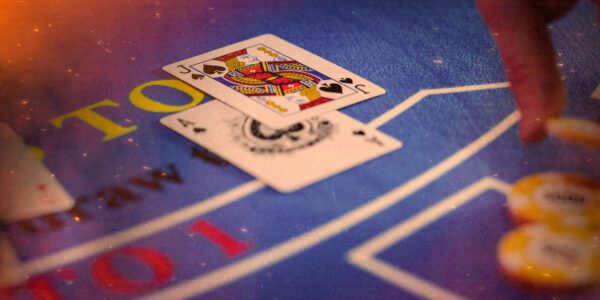
- If one hand has a 10 and a 6, and the other has a 5 and an Ace, switching the Ace and 6 creates a natural blackjack and an 11 – an ideal outcome.
- If both hands are weak but switching creates two solid totals (such as 18 and 20), it’s usually worth the move.
- Avoid switching if it improves one hand slightly while leaving the other exposed to busting – the net gain may not outweigh the risk.
The Learning Curve
Because switching decisions involve two hands at once, the strategy is more complex than standard blackjack.
Many players find it helpful to study simplified strategy charts.
Over time, recognising patterns, such as when to chase blackjack or when to shore up two safe totals, becomes second nature.

Post-Switch Decisions
Switching the top cards is only the first layer of strategy in Blackjack Switch. Once the swap is made, or even if you decide not to switch, the game continues with the familiar choices of hit, stand, double, or split. What makes this stage different from classic blackjack is how your switching decision shapes the options that follow.
Playing the New Hands
After the switch, each hand is played out separately. A successful switch might give you a natural blackjack or a solid total like 20, in which case the decision is simple: stand and wait for the dealer.
But if the switch creates hands like 11 or soft 18, you’ll need to think carefully about whether to double down or press your advantage, particularly if the dealer is showing a weak upcard.
Adjusting Standard Strategy
Many of the same rules from basic blackjack strategy still apply, but with adjustments. For example, in classic blackjack, doubling an 11 against a dealer 6 is a textbook move. In Blackjack Switch, that same situation may occur more often because of the swapping mechanic. Similarly, you may find yourself with stronger totals more frequently, which changes the rhythm of your decisions.
Avoiding Over-Optimism
A common pitfall is assuming that the switch guarantees strong results.
While it can dramatically improve your position, it doesn’t change the fact that the Push 22 rule and even-money payouts reduce profitability. Overconfidence after a good switch can lead to reckless doubling or standing on weak totals. Maintaining discipline is crucial.
The Bigger Picture
Ultimately, Blackjack Switch is about playing both hands in harmony. The switch is just the opening move and the real skill lies in how you navigate the rest of the play.
By blending strong switching judgment with disciplined post-switch decisions, players give themselves the best chance to turn this unique variant into an enjoyable and potentially rewarding experience.

Online vs. Live Play
Blackjack Switch is available in both online casinos and land-based venues, but the experience can feel quite different depending on where you play. Understanding these differences can help you adjust your strategy and manage your sessions more effectively.
Online Play
Online play tends to be faster because there are no pauses for shuffling or table interactions. This speed can be an advantage for players who want more hands per hour, but it also increases the risk of playing for longer than intended.
Online tables sometimes include additional features like auto-rebet, making it easy to keep going without much thought. To stay in control, many players use time limits alongside bankroll limits when playing online.
Live Casino Play
In land-based casinos, Blackjack Switch offers an immersive atmosphere. The slower pace, with time for players to consider switches and watch the dealer manage the game, can encourage more thoughtful decision-making.
Social dynamics, such as interacting with the dealer and other players, also play a part. However, the buzz of the casino floor can be distracting, and peer pressure sometimes nudges players into risky decisions.
Key Difference
Ultimately, online play requires sharper discipline around session length, while live play demands stronger control over emotions and focus. The core rules of Blackjack Switch don’t change between settings, but the environment does. Adapting your approach to suit the platform is key to making the most of the game.

FAQs
Can I switch cards to make blackjack?
Does the dealer’s 22 beat my blackjack?
Is Blackjack Switch better odds than regular blackjack?
What is the Super Match side bet?
Can I play Blackjack Switch online?
Conclusion
Blackjack Switch proves that even a classic game can be reinvented with a simple yet powerful twist.
By allowing players to swap the top cards of their two hands, the variant adds a layer of decision-making that keeps every round engaging.
Whether you try it online for the convenience of fast play, or in a live casino where the atmosphere adds to the tension, Blackjack Switch offers a distinctive experience. It may not deliver the same payouts as classic blackjack, but it compensates with depth, novelty, and excitement.

Top Content



Trending