Explaining the Super Sevens Side Bet
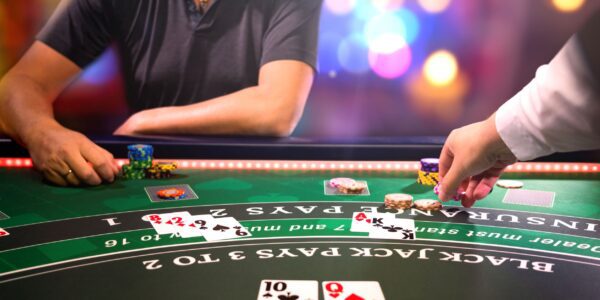
Blackjack side bets, as the name suggests, are those additional bets that can be placed on the side in any standard online casino game.
Insurance, Perfect Pairs, and 21+3 make up the trio of most common side bets available at Blackjack tables, but there are several other options that players can sometimes choose from. One of these is called Super Sevens. Here, the player is betting on an outcome which is directly related to the number of sevens dealt.
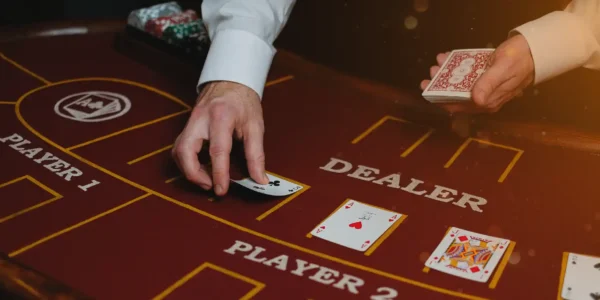
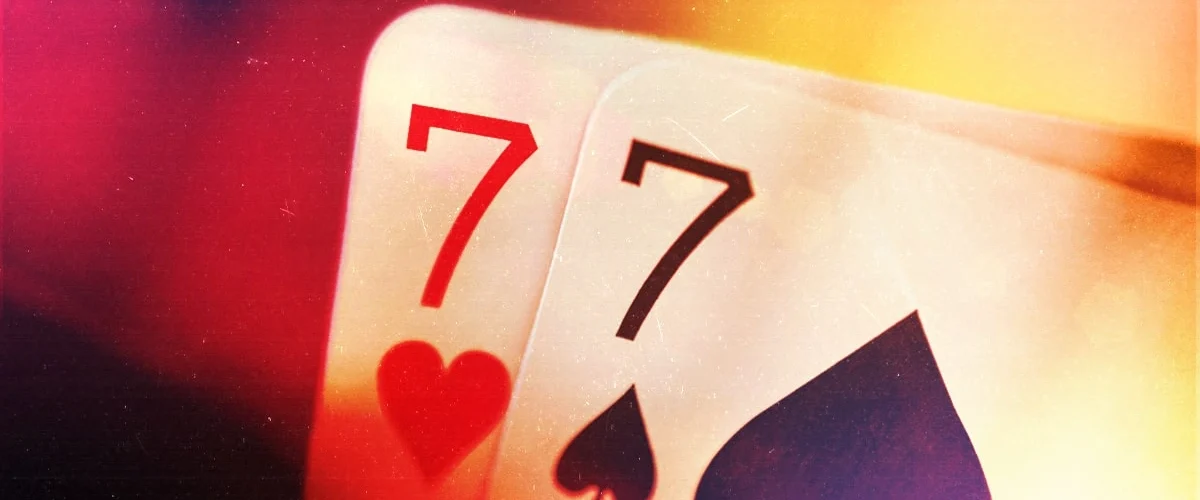
For example, if the player gets one seven right off the bat, the payout is 3:1. In the event of a second seven being dealt, the payout amount depends on whether or not the card is suited or unsuited.
Two suited sevens will pay 100:1, but two unsuited sevens pay 50:1. This rule repeats itself in the next round of cards if the third is also a seven, as three suited pay 5,000:1 and three unsuited pay 500:1.
What Are the Odds for Super Sevens (777)?
Super Sevens pays on the number of sevens in the player’s hand, with extra weight when those sevens share the same suit. One seven pays 3:1. Two sevens unsuited pay 50:1, while two sevens suited pay 100:1. If a third card is a seven, unsuited pays 500:1 and suited pays 5,000:1. Paytables can vary by table and casino rules, so it’s wise to check the layout first. The idea stays the same: more sevens mean bigger potential returns, with suited above unsuited.
Hit Frequency and Rarity
A first-card seven doesn’t appear all the time, which is part of the fun for a side bet like this. Double sevens and triple sevens are much rarer. That rarity is what supports the big numbers on the layout for two and three sevens, especially when suited.
How the Side Bet Is Resolved
On most tables, Super Sevens is settled on the first few cards. If the first card is a seven, the base win has already been reached. If it’s not, the side bet is over. Where a third card completes the bet, another seven can bump the return. If two sevens land and the dealer has blackjack, many tables still deal a card just to finish Super Sevens. If a pair of sevens is split, the first card to the first split hand is used to close out the side bet.
Bankroll Planning for Side Bets
Super Sevens can swing, so betting choices matter. Keeping the side bet small and consistent against the main wager helps keep a session even, since it pays less often but can really spike when it lands. A clear side-bet budget keeps things simple: treat any payouts as part of that plan and keep attention on the main blackjack decisions, with room for the odd Super Sevens moment.
Related Blackjack Articles

Super Sevens Compared with Other Popular Side Bets
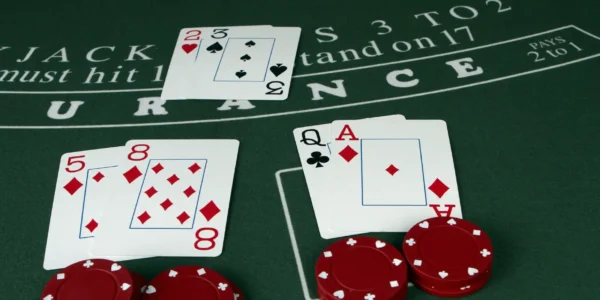
Perfect Pairs checks the first two cards for a pair and boosts returns for colour or suit matches. Super Sevens also looks early, but it focuses on a single rank and often allows a third card to complete it. The feel and the prize ladder are different. The 21+3 side bet builds poker-style hands by using the dealer’s up-card with the player’s first two cards. Super Sevens stays inside the player hand. Insurance is separate and relates to a dealer ace up-card and whether the dealer has blackjack (it doesn’t interact with sevens at all).
Examples in Context
A first card of seven typically pays 3:1, making it the most common win. Two sevens across the first two cards raise the return. Unsuited pairs are usually 50:1, while suited pairs are around 100:1. If a third seven shows up, unsuited is often 500:1 and suited reaches about 5,000:1, which is rare.
Final Thoughts: Super Sevens Keeps It Simple
Super Sevens, played on PokerStars, is easy to follow because it all comes down to one card: the seven. The main blackjack hand still plays out as normal, but the side bet gives players something else to look out for during the opening deal.
The bigger payouts come from rarer outcomes, especially suited pairs or three suited sevens. Like any side bet, it is optional, and the paytable can vary between tables. So it’s always worth checking the table rules first.
FAQs
What does the Super Sevens side bet pay?
Is Super Sevens available on PokerStars?
Does the side bet still resolve if the dealer has blackjack?
What is the house edge on Super Sevens?
Is Super Sevens driven by strategy?

Top Content
Trending