What is Face Up 21?
Blackjack has long been one of the most popular casino games in the world, both in online casinos and land-based venues. Part of its appeal comes from the many variations available. Some of these stick closely to the original rules, while others adjust gameplay in ways that create an entirely different experience.
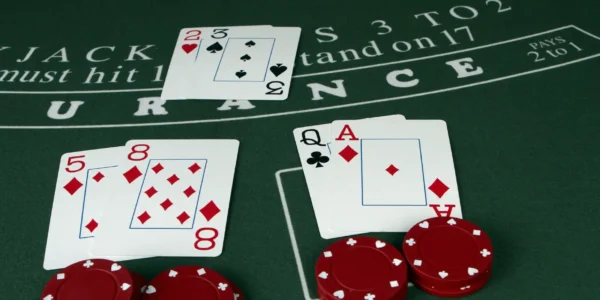
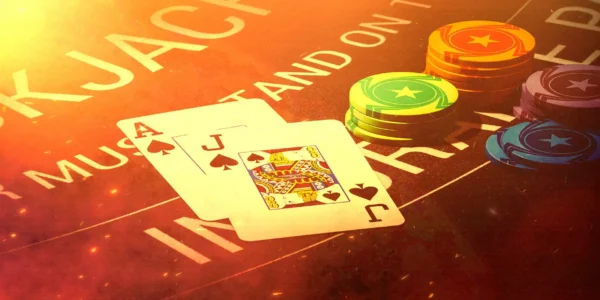
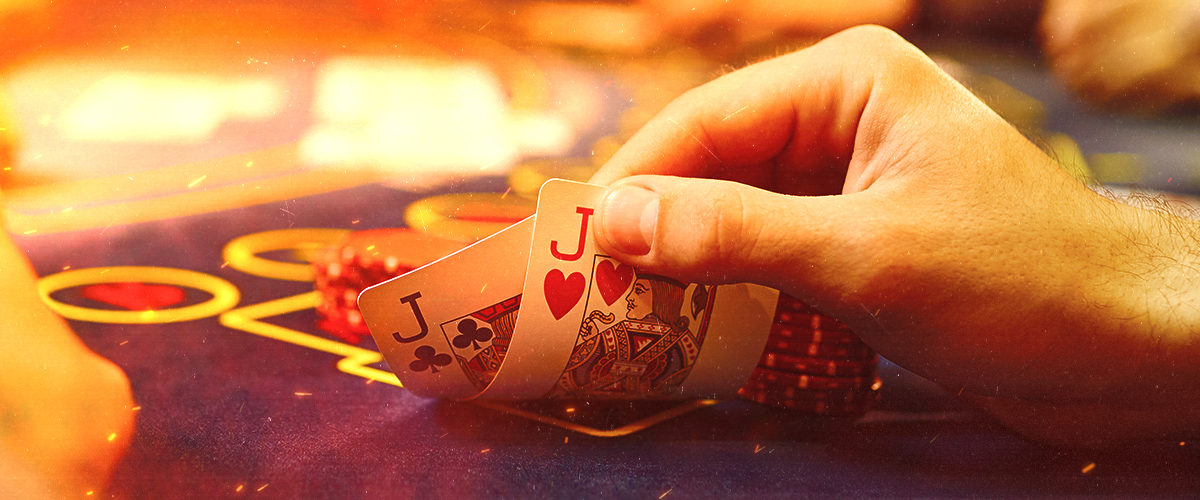
One of the most distinctive versions is Face Up 21, also known as Double Exposure Blackjack. This variant changes a single but significant rule: the dealer’s cards are dealt face up, making them fully visible to players.
How Face Up 21 Works
The core objective remains the same as in classic blackjack: players aim to beat the dealer’s hand by getting closer to 21 without going over. What makes Face Up 21 unique is that both of the dealer’s cards are revealed immediately, so there are no hidden hole cards.
At first glance, this might look like a huge advantage for players. After all, being able to see exactly what the dealer has seems like it should make decision-making easier. However, to balance the game, casinos have introduced compensating rules that tilt the edge back toward the house:
- Dealer wins all ties, except when both sides have a natural blackjack.
- Blackjack pays even money (1:1) instead of the standard 3:2.
- Doubling down is restricted to hands of 9, 10, or 11.
The Tie Rule in Detail
In regular blackjack, ties are pushes and don’t cost players anything. In Face Up 21, ties (except naturals) go to the dealer. This rule alone adds a noticeable increase to the house edge and changes how players approach borderline hands.
These changes make sure that, even with the extra information, the casino maintains its edge.
House Edge and Payouts
Face Up 21 typically carries a house edge of 0.7%–1%, depending on specific table rules. While this is slightly higher than the best-case scenario in standard blackjack (around 0.5% with perfect play), it still offers relatively fair odds compared to many casino games.
The main contributors to the increased edge are the even-money blackjack payout and the rule that dealer ties result in a loss for the player. Over time, these small changes add up.
Strategic Adjustments
Because the dealer’s hand is fully visible, traditional blackjack strategy charts don’t fully apply. Instead, players need to adjust their approach:
- Play more conservatively when the dealer shows a weak total (12–16). Standing on lower totals becomes safer, as the dealer is more likely to bust.
- Take calculated risks against dealer strengths. If the dealer has 19 or 20, players know they must be aggressive to win, even if it means hitting on hands they’d usually keep.
- Use doubling opportunities wisely. Since doubling is only allowed on 9, 10, or 11, players should maximise these moments, particularly when the dealer shows weakness.
- Forget about pushes as safety nets. In Face Up 21, ties (other than naturals) are automatic losses. This changes how you evaluate marginal hands.
For players who enjoy strategy, these adjustments make the game more mentally stimulating than standard blackjack.
What’s Different between classic Blackjack?
Face Up 21 feels familiar to classic blackjack, but plays with a different rhythm. Seeing the dealer’s two cards up front changes the pace of decisions. The player isn’t waiting on a reveal; they are weighing options against the known totals. That’s the main draw of Face Up 21.
Why the Tie Rule Matters So Much
Ties in classic blackjack aren’t considered a terrible outcome because a push returns the bet. In Face Up 21, however, most ties (non-natural) go to the dealer. That single tweak nudges a lot of close calls. Totals like 17–19 feel more black and white, as pushes drop away, so it’s usually a win or a loss situation. If both sides land on 18, the dealer’s 18 wins. Over a session, those edges can build.
Doubling Windows: 9–11
Limiting doubles to 9, 10, or 11 gives the player fewer big-leverage moments. When those totals appear against weak dealer hands, the chance to press is still there, just less often than in versions that allow doubling on any two cards. When a double window opens, many players will use it as an opportunity to add value.
Approaching the Game Differently
Strategy in Face Up 21 is still structured, but less chart-driven than seen in basic strategy. With the dealer total shown, the player can tighten up against a dealer’s 12–16, where a bust can happen, and loosen up against 19–20, where sticking is likely to win. This isn’t about wild swings, but picking the right moments to hold or push based on the visible totals.

The Appeal of Face Up 21
So why play Face Up 21 if the house edge is slightly higher? The answer lies in transparency and psychology. Many players dislike the suspense of waiting for the dealer to flip over their hole card, especially when sitting on a strong hand. Face Up 21 removes that uncertainty, creating a game that feels more tactical and less luck-driven.
It also appeals to players who like analysing situations with complete information. With both dealer cards exposed, the game rewards logical decision-making and adaptability.
Bankroll and Pace
Face Up 21 plays faster and with less suspense, so more hands fit into an hour. Keeping the side bet small and steady helps, but the base bet does most of the work. Short sessions with a clear limit tend to suit a game that cuts, pushes and pays blackjacks at even money. The aim is simple: play steady and have fun, without getting carried away.
Common Misplays
Two common mistakes come up in Face Up 21. First, over-valuing a made 18 against a shown 19 or 20, which makes the hand feel safer than it is. Second, under-using the double on 9–11 when the dealer’s total is weak, which is a window that gives Face Up 21 some value. Neither is difficult to fix, but it’s just a matter of matching the aggression of what’s already on the table.
Related Blackjack Articles
Online vs Land-Based Play
Face Up 21 is more commonly found at online casinos than in physical venues. Digital platforms are well-suited to variants like this, as the software automatically enforces rules such as tie losses and even-money payouts.
In live or land-based casinos, standard blackjack tables dominate, so players may need to specifically seek out Double Exposure Blackjack if they want to try it. Online play, on the other hand, often includes Face Up 21 as part of the blackjack collection.
Who is Face Up 21 suited for?
Face Up 21 is a blackjack version that is perfect for players who prefer to have clear information to make their decisions and prefer a calmer pace. The player checks the dealer’s total, weighs their hand against it, and then decides what to do. For those who prefer more focused choices over guesswork, Face Up 21 ticks all those boxes, while keeping the spirit of classic blackjack at the forefront.
Our Top Face Up 21 Tip
Before committing to a table, it helps to check four key rules;. are blackjacks paid 1:1? Do ties (non-natural) go to the dealer? Are doubles limited to 9–11? How many decks are in the shoe? Those four things will help players understand the pace, payouts, and the kind of decisions the player will be making.
Final Verdict:
Face Up 21 stays loyal to traditional blackjack but changes the visuals of a table. Everything is kept transparent, and the excitement comes from how decisions shift when surprises are removed and the balancing rules take centre stage. It’s the same table, the same totals, and the same chase to 21; just played with the cards face up and the trade-offs clearly shown.

FAQs
Is Face Up 21 the same as Double Exposure Blackjack?
Do exposed dealer cards give players an advantage?
What’s the house edge in Face Up 21?
Can you use a standard blackjack strategy chart?
Where can I find Face Up 21?

Top Content


Trending