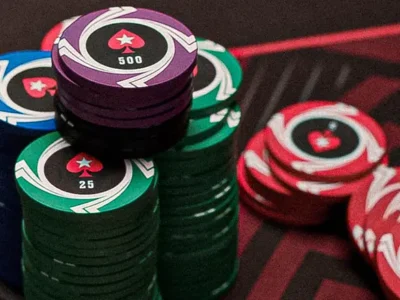
Letting The Cards Fall: A Guide To Slow Playing A Hand
Slow playing a hand in poker is something that requires plenty of skill and the correct body language. Slow playing in poker is when you have a strong hand, and you need to disguise it as a much weaker hand. It is the opposite of playing fast, or “fast playing”, where you would try to fool them with a much weaker hand.
The object of slow playing a hand is to get your opponent to bet more money over a longer amount of time. You have to avoid giving off too much of a tell, or the potential of you being able to slow play your hand could be greatly minimised. So make sure to employ this strategy when you visit your next online casino and get yourself involved in a game of poker.
How To Slow Play

Your main objective is to give off the idea that you have a much weaker hand at your disposal. You can accomplish that by checking or betting minimal amounts out of the gate. It is a much better way to play a strong hand rather than going all in before the flop. Going all-in or raising the big blind right away could lead to all the other players at the table folding. If that happens, it will result in a much smaller pot than you could’ve possibly won by slow playing the hand.
It certainly involves a lot of patience and skill if you want to be successful at slow playing your poker hands.
Example
Imagine you have a very strong hand early in the round.
If you bet aggressively straight away, other players may fold, and the hand ends quickly with a smaller pot.
If you check or bet lightly, opponents may stay in the hand, allowing the pot to grow over time.
However, if the next card creates possible straights or flushes, continuing to slow play could become risky.
This is where recognising the moment to shift from passive to aggressive becomes important.
Tip: You still need to protect your hand
Slow playing should not mean giving away free cards. If the board becomes dangerous, it’s important to increase pressure at the right time.
When Should You Slow Play?
One of the biggest factors of slow playing is choosing the perfect moments to do so. When you get a strong hand, it is usually the best time to slow play. For example, when you get dealt, a pair of face cards slow playing would be your best option at the time. However, if you get a much weaker hand, like an off-suited set of numbered cards, you are much better off fast playing. Slow playing is something that can backfire rather quickly if you attempt it with a weaker hand at your disposal.
Biggest Factors To Consider
Successfully reading your opponents’ body language will help you out in the long run, when deciding to slow play a hand or not. If you learn your opponents’ patterns and discover any tells they possess, you will be much more successful. The majority of the time, it benefits you more if you allow your opponents to build the pot. It will likely force them to stay in the game longer and deliver you a higher payout if you win the hand.
It is important to know that you should not give your opponents too many opportunities throughout a hand of poker. There is a solid balance between slow playing and ramping up the tempo in the middle of a game. You have to find that balance if you want the highest chance of success in any given hand. Too many opportunities for your opponent to build their hand could lead to you getting beat in the turn or on the river. You have to be able to protect your hand, set the tempo yourself and find out when a flop, turn, and river will be relatively safe enough to slow play.
Common Beginner Mistakes When Slow Playing
Slow playing can be appealing, but it is often misused by newer players.
A common mistake is attempting to slow play hands that are not strong enough. Without a solid hand, this approach can quickly lead to losing control of the round.
Another issue is slow playing in risky situations. If the board allows for straights or flushes, giving opponents cheap cards can work against you.
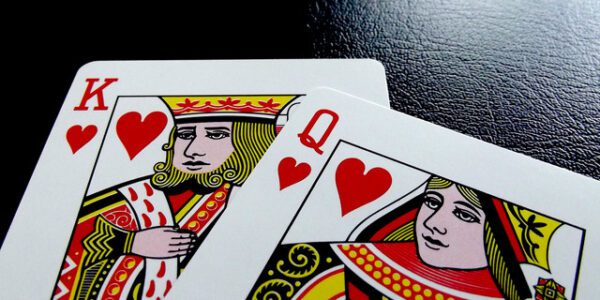
Some players also rely on slow playing too often. If your style becomes predictable, opponents may adjust and avoid building the pot when you appear passive.
The key is balance. Slow playing should be used selectively rather than as a default strategy.
Related Poke Articles

How Slow Playing Differs Online vs Live
Slow playing works slightly differently depending on where you play.
In live poker, players rely on body language and physical “tells”. A strong reaction or sudden change in behaviour can give away the strength of a hand.
In online poker, those visual cues are removed. Instead, players rely on:
- Bet sizing
- Timing between actions
- Repeated patterns
Because of this, slow playing online is more about consistency in your betting behaviour rather than controlling physical reactions.
Conclusion
Slow playing a hand in poker can be a lucrative strategy for racking up the most money possible. However, don’t forget to use several other strategies at your disposal if you want to become a successful poker player in the long run. You cannot rely on the same strategy throughout an entire game; otherwise, your opponents will start to catch on. However, correctly slowly playing a hand can turn you into a master of deception at the poker table. It is a strategy you should certainly take advantage of when the time is right.
FAQs
What is slow playing in poker?
Is slow playing the same as bluffing?
When should you avoid slow playing?
Why do players use slow playing?
Can slow playing be used in all poker formats?

Top Content


Trending