A Beginner’s Journey into the World of Poker
Skill, strategy, and a little bit of luck are all mixed together to create the ever-popular game of poker. No matter if you’ve basic knowledge or are just starting out, we want to help an online casino player navigate through the basic strategies of poker.
We’re going to dive into some intricacies and help you refine your approach so that you can really have a good time playing this very compelling and strategic game.
Understanding the Basics
Know Your Hands
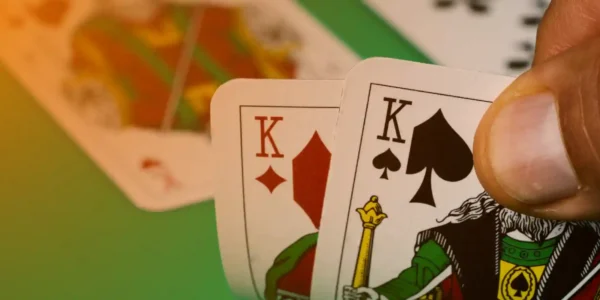
Your hand is the ultimate weapon in this game of chance. Therefore, the very first thing you’ve got to really understand is the hierarchy of the hands. Understanding that will help you really unlock the excitement of the game.
Whether you’re navigating the thrilling twists of a casino poker game or simply on a night out with your friends, understanding these hands will determine the final results. So, here’s a look at the basic hierarchy of the hands in poker.
Hierarchy of Hands
- Pair
- Two Pair
- Three-of-a-Kind
- Straight
- Flush
- Full House
- Four of a Kind
- Straight Flush
- Royal Flush
The Poker Face
One of the most essential strategies and tools you’ve got at hand is the bluff. Poker Face isn’t just a Lady Gaga song; it’s actually a tactic that you can use to up your game. The trick with this is to master the art of having a blank face.
This way, your opponents don’t know what cards you’ve got in your hand. Your poker face can be vital to ensuring your strategies work out well. Timing, of course, is paramount, and if you can execute a good poker face at the right time, the scales may tip a little in your favour.
Strategies at Play
Positional Awareness
Many players don’t consider where they sit to be a factor in the strategies at play. Of course, the dealer has the prime spot and views the whole table, but you can use their logic to find a place to sit – you want to be able to see everyone at the table clearly.
The better view you have, the more observation you’re able to utilise against your opponents. You can watch how they’re moving and decide what you want to do in the next bet. The art of poker isn’t just about the cards in your hand, but it’s about the use of every one of your senses.
Starting Hand Selection
The quality of your hand is important. But choosing to be a little more conservative with your hand’s selection strategy could potentially help you progress further into the game.
Choosing the right cards could give you a formidable hand. So, remember, in poker, patience is a virtue.

Should I play every hand I’m dealt?
No. Folding is a key part of poker. Playing fewer, stronger hands is usually more effective than playing everything.
Reading Your Opponents
Observational Skills
In strategy games like poker, patterns are crucial. You want to watch your opponents and see if they’ve got any “tells”. These are displays of movement or aggression or even a cautious look on their face. Really looking at your opponent and noting these cues can show you exactly how strong their hands are.
This allows you to know the strength of their hand, and, in future, you’ll also be able to anticipate their moves. In other words, the more observant you are, the more adept you’re going to be at strategising and predicting the next move.
Body Language
Body language gives us all away. Unless you’re a seasoned poker player, you’re going to have movements, and if you continually play, they may become repetitive. That means you can watch for subtle cues in your opponents’ bodies to really help strengthen your strategy.
But you have to be careful because just as they have “tells,” so do you. You need to be able to control your body language as well. Mastering poker really is a delicate balancing act between reading what your opponents are doing and maintaining your own secrets.
Related Beginner Articles


Common Beginner Mistakes in Poker
When starting out, most players make similar mistakes. Understanding these early can help you avoid frustration and build confidence faster.
One of the most common issues is playing too many hands. It’s tempting to stay involved in every round, but this usually leads to unnecessary losses. Strong players are selective and wait for better opportunities.
Another mistake is focusing only on your own cards. While your hand matters, poker is also about understanding what your opponents might be holding. Ignoring this side of the game can limit your progress.
Many beginners also struggle with patience. Poker is not a fast-paced game where every round brings action. Some of the best decisions involve folding and waiting for a stronger position.
Finally, overusing bluffing can cause problems. Bluffing is part of poker, but using it too often or at the wrong time makes it predictable. It’s more effective when used sparingly and with purpose.
Learning to recognise these habits early helps create a more balanced and enjoyable experience.
Conclusion
When sitting down at the poker table, skill, strategy, and experience all play a role in the game. We hope our tips above help you to grasp the basics, deploy sound strategies, and adeptly read opponents for confidence at the poker table. Continuous skill refinement ensures a fulfilling game. Revel in the experience, and above all, savour the fun inherent in every game!
FAQs
Is poker a game of skill or luck?
What is the easiest poker game to learn?
Do I need to be good at maths to play poker?
What does “bluffing” mean in poker?
How do I know if my hand is strong?
Is online poker different from live poker?
Should beginners play aggressively or cautiously?

Top Content



Trending