Blackjack Table Positions – Do They Matter?
There’s a lot that goes into blackjack: clever decisions, clean maths, and strategies that can improve discipline and structure. This also holds true for digital formats and in live games, especially with online blackjack at PokerStars.
A question that has often been up for debate is whether the table position of a player actually matters. Is first base “safer,” is third base “smarter,” or does a middle spot change anything?
What Table Position Means
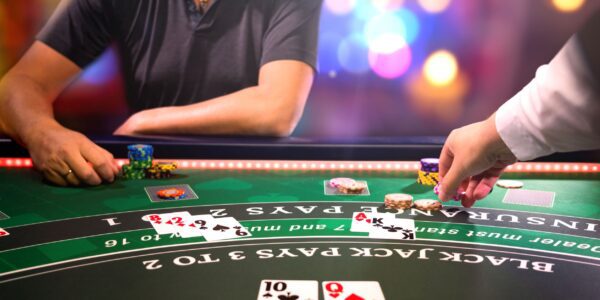
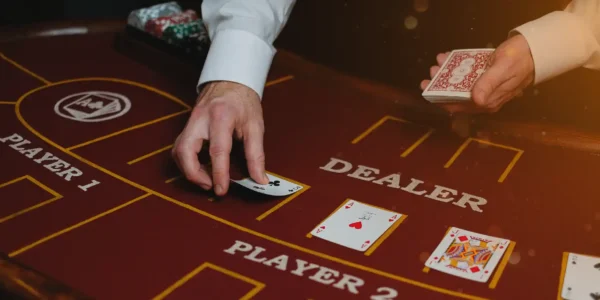
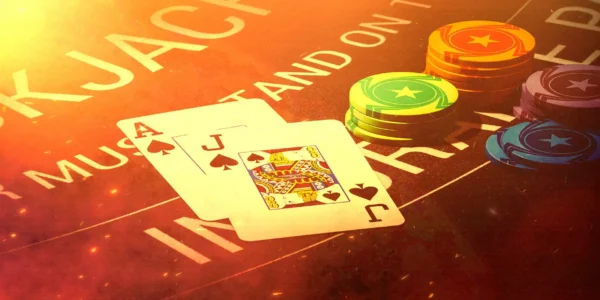
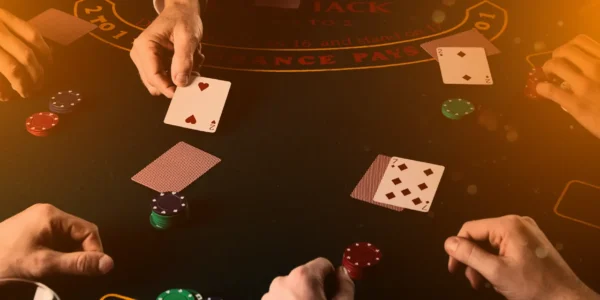
The blackjack table uses a classic semi-circular layout that faces the dealer at the centre. First base sits to the dealer’s left and receives cards first. Third base, often called the anchor, sits to the dealer’s right and gets to act last, right before the dealer completes the hand. Seats between these ends are known as the shortstops or the middle seats. The names of the positions are decades old and appear in land-based and online blackjack casinos alike.
First base places a player’s decisions at the very start of each round, which can encourage a quick and focused rhythm, setting the pace for the rest of the cycle. Third base allows players to watch how the game unfolds before committing to a move. Shortstops take away the spotlight for the players, and for many, that lower profile often helps keep them calmer.
Do Seats Change the Odds?
From a maths point of view, seats don’t change the odds. Long-run results depend on the rules, including the deck count, whether the dealer hits or stands on soft 17, and whether doubling after a split is allowed. A particular seat can’t change the edge. Over time, the numbers look the same for a basic-strategy player regardless of where they choose to sit.
A common blackjack superstition says a single “bad” decision at one seat can spoil the round for everyone else. It’s easy to see why the story live on: memorable moments in a particular seat get linked to the outcome, and it feels connected. The same bias appears after dry spells, too. In reality, the shuffle and the rules drive results, not a chair.
Table Positions Are Up for Debate
The debate about table positions stays alive because psychology and the pace of a blackjack session are two important factors of the game. First base appeals to players who like the immediate focus of making their move first. There’s less pressure from other players and the dealer, which makes it easier to think through the opening move.
Third base suits players who enjoy a little time to breathe before deciding what to do. Watching a round play out provides more context, even if it doesn’t change the maths. This seat also slows down the pace by a fraction, which can be calming to some. The middle seats, however, can feel less impactful to some players and are ideal for those who don’t like the idea of being stared at and pressured.
In reality, a preferred seat is less about gaining an advantage and more about the rhythm and pace of the game. A great blackjack strategy focuses on consistency, so if a particular position helps the player maintain that consistency from a psychological or pace standpoint, there’s still value to it.
Bankroll and Time Management
Seat choice affects pace, and pace affects the number of decisions per hour. First base at a quiet table will usually see more hands in a session; third base at a full table will usually have less. A fixed bankroll stretches further when the table is slower, while a quicker table runs through the same bankroll faster, even though the long-run percentages stay the same. Thinking about seat choice as a pace lever, rather than an edge lever, helps players stick to their bankroll management plan, including the time available, betting level, and how much attention the player wants to spend on each hand.
The same idea applies to breaks. In live blackjack, the anchor seat offers a natural pause between each decision and the dealer’s move; first base can feel snappier and may help set the rhythm for checking totals and options before the action comes back around. With online blackjack, pause controls and table selection replace seat-based pacing and make it easy to reset between hands.
The Anchor Seat Myth
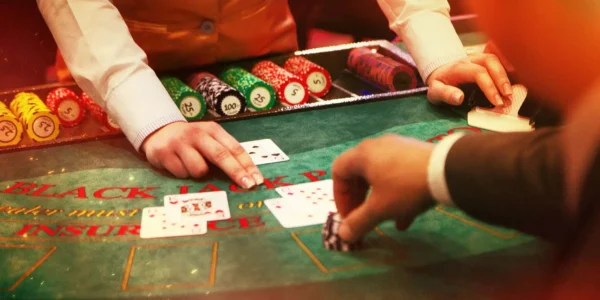
The anchor seat gets more blame than it deserves. A hit or stand at third base often draws a lot of attention if the dealer then pulls a card that beats the table. It feels like cause-and-effect in the moment, but the long-run maths doesn’t support it. A choice at third base doesn’t change anyone else’s outcome; it just changes the order in which the cards appear in that one round. Next round, the same choice could just as easily result in a win.
Pop Culture and the “Lucky Chair”
Films, novels, and series love to use the anchor seat. It frames the story and can represent the final big decision before the reveal, the table holding its breath, and tension building while the dealer draws the last card. It’s become a strong cinema trope, and it keeps the idea of a “lucky chair” alive in the culture around the game.
Card Counters and Seat Preference
More advanced card counters often prefer third base because more cards are visible before they need to make a move. That extra piece of information can help gather more accurate counts. The benefit is pretty small and only exists for players who know how to skilfully track the cards.
Some counters, like first base, for the opposite reason: pace control. Acting first sets the speed of the round. If things start to look more favourable to them, the action can begin to cycle through a bit faster, so more rounds pass while the shoe is still looking positive.
In modern blackjack, however, casinos have implemented systems to stop it from being done, as its potential to reduce the house edge is damaging to the industry. Six to eight deck shoes are common in casinos these days, as well as shuffles coming sooner, continuous shuffling machines keeping cards recycled, and mid-shoe entry to sessions is often not allowed. Security and software that track analytics also flag when unusual patterns start to emerge.
Online casinos, like PokerStars, are no different. The RNG blackjack online algorithm reshuffles before every hand, so there’s nothing to count. Live dealer tables use multi-deck shoes with frequent reshuffles or automatic shufflers, so any running count is too short-lived to matter.
Full Tables and Quiet Tables
A common misunderstanding in blackjack appears around table size. A full table deals more cards before the dealer acts, so the pace slows down. This means, in theory, that a quiet table should speed everything up. The truth is that the natural rate with a given number of decks remains essentially the same in both settings. The feel of the session may change, but the probabilities do not.
The key point is that the table’s size doesn’t change the luck of the draw. A natural blackjack, in theory, happens at a predictable rate for a given deck structure over many games. This means that a table with fewer seats doesn’t make naturals more common for any player over the long run, but it does raise the number of decisions made per hour.
For some, that quicker pace is more exciting and entertaining. For others, it feels rushed and can lead to them making mistakes under pressure. On PokerStars, there are blackjack games that cater to all tempos, whether it’s a single-seat RNG format where players can play at their own pace or live dealer blackjack, where the pace is transparent, with a dealer who is there to help players feel comfortable during sessions.
Related Blackjack Articles
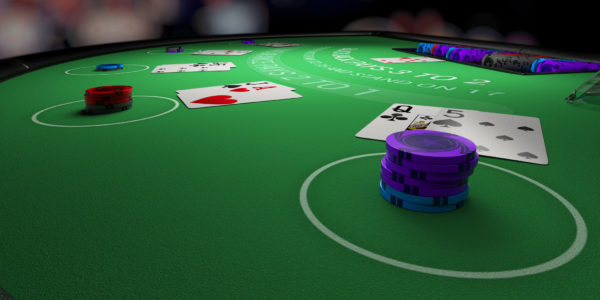
Blackjack Table Etiquette
Even when the maths is fully understood by the player, the atmosphere at the blackjack table really matters. A professional dealer with a good personality, friendly table chat, and no hostility all create a relaxed and fun experience. The anchor seat can sometimes gain a reputation from the other players as the one responsible for a bad round, which can have a negative knock-on effect. A good rule of thumb is to stick to the chart or strategy and let the cards land where the shuffle placed them.
PokerStars live blackjack tables lean into this positive stance, with highly trained dealers who inject their personalities into each session. These hosts chat with players, answer questions and keep the tone light. There’s also a lot of moderation in the background to ensure nobody breaks the community guidelines or acts offensively toward others.
Do Positions Affect Natural Blackjacks?
Seat choice doesn’t change the house edge. The edge rests on rules such as deck count, whether the dealer hits or stands on soft 17, whether doubling after split is allowed, how naturals pay out, and whether late surrenders are offered.
The frequency of natural blackjacks comes down to the deck. With one deck, naturals land a little under one in twenty hands. With more decks in the shoe, that rate dips slightly. Whether a table is full or quiet doesn’t change those values, but it can change the decisions of the players and dealer.
Decisions at the table don’t change another player’s outcome in the long run. It’s common to watch an unusual hit or stand and link it to what happens next, especially when the outcome is dramatic. Over time, those anecdotes connected to a particular seat blur the lines between variance and superstition.
Blackjack Seats Across Variants
Classic blackjack is the version that many players know of, whether from playing first-hand or from seeing it in the media, but there’s several other variants. Just like the traditional version, seat choice never changes the maths, yet the flow, timing, and psychology around each position can shift from variant to variant.

European Blackjack
European rules start with a single dealer card face up; the second card isn’t drawn until after all player actions are complete. That small tweak changes how positions are seen by the players. First base acts with less information on the dealer’s eventual total, which can make the opening decision feel a little more exposed.
At the other end of the table, third base closes the action with every player card visible but still without the dealer’s second card revealed, so the moment has a longer and suspenseful pause before everyone gets to see the final outcome. The probabilities don’t change, but many European tables see the anchor seat chosen by players who like extra information before committing, especially in tight spots.
Spanish 21 and Pontoon
Spanish 21 and Pontoon remove the tens from the deck, subtly reshaping how hands form and how often natural blackjacks appear. Seats still have no built-in edge, yet the rhythm across the layout changes. First base often runs more quickly in Spanish 21, where added options, such as late surrender and various bonus pays, keep decision-making really interesting.
Third base tends to attract players who prefer to watch a few moves before making their own, even though the theoretical return is identical wherever a player sits. With tens out, totals grow along different paths, making it feel more distinct from the classic rules.
PokerStars Multi-Hand Blackjack
Modern online blackjack adds a twist, as one player can wager on multiple betting spots at the same time. In PokerStars multi-hand blackjack games, a single player holds two or more positions at once, which flips the usual seating psychology on its head. Instead of anticipating how others might act, the player can choose how to play each hand; one might play it more safely, while another could lean into a higher variance, all within the same round.
Virtual Blackjack Tables
RNG blackjack on PokerStars gives players a single virtual seat. The position is purely for the aesthetic because a single hand faces the dealer, which means it’s all about the rules, decisions and luck rather than the table position.
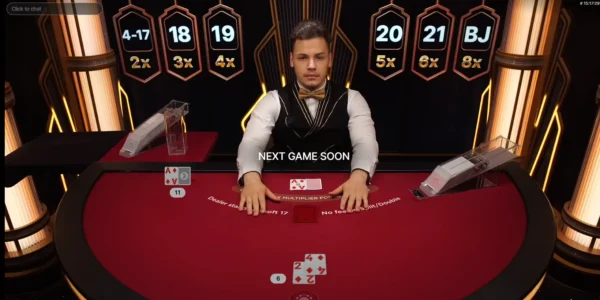
Live blackjack mirrors the classic layout, only streamed live from a professional studio. Player positions are made clear, the dealer keeps the pace steady, and etiquette is encouraged. Just like in traditional blackjack, the seats come down to preference. Some like the calm of the anchor, others the focus of first base. With that being said, the long-run outcomes always remain with statistics, the rules and player decisions.
PokerStars Live Blackjack
PokerStars Live Blackjack streams from professional studios with real dealers. The game uses the classic semi-circular table with multiple betting spots and an eight-deck shoe that is reshuffled periodically rather than after every hand. A round begins when the player places a main bet on one or more boxes, with some tables offering an optional ‘bet behind’ to follow an occupied seat while waiting or simply add a lighter second stake.
Two cards are dealt to each active betting spot and one upcard to the dealer, and play then proceeds box by box. Players can hit or stand, double on any two-card hand, or split pairs once to create two hands; split aces receive a single card each. If the first two cards form a natural blackjack, the main game pays 3:2, and if the dealer shows an Ace, Insurance is offered and pays 2:1 only when the dealer has a natural.
The Live Blackjack main game has a theoretical RTP of 99.28% when played under the posted rules with consistent, structured decisions, and, just like at land-based venues, seat position doesn’t affect the odds.
PokerStars Classic Blackjack
PokerStars Classic Blackjack runs on single-player and Multi-Player tables and has a theoretical RTP of 99.41%. It uses eight 52-card decks, shuffled together before every hand, and the dealer doesn’t take a hole card. Dealers hit all 16s and soft 17s, and a natural blackjack pays 3:2. If a player’s hand loses to a dealer blackjack, only the original bet is lost; any non-busted optional wagers (like splits and doubles) are pushed back to the player.
Betting stays simple, with more options opening as the round goes on. A player can double down on any two-card hand (one card only, then stand). Pairs, or two cards of equal value like 9-9, K-Q, or J-10, can be split. Splitting is allowed up to three times for a maximum of four hands, except with aces, which may be split once (split aces receive one card each). Doubling after a non-ace split is allowed, while surrender isn’t offered in this blackjack format. Like the live counterpart, Insurance is offered when the dealer shows an Ace and pays 2:1 if the dealer has a natural.
Get Comfortable at the Table
Seat choice doesn’t shift the maths, and the house edge only moves with rules. What seating does do, however, is shape the rhythm of a session. First base often appeals to players who like quick decisions; third base suits those who prefer to take their time and take in the decisions of others; and shortstops take away the pressure and can help keep attention.
In other words, table positions only matter for comfort, concentration, and pace and don’t change the long-run numbers. On PokerStars, the strengths of both sides are built into the blackjack titles: single-seat RNG games for straightforward and focused play, or live dealer blackjack that provides an authentic casino experience with other players also taking up a virtual seat.
FAQs
Does seat position change the odds in blackjack?
Is third base the best position in blackjack?
Do “bad players” hurt the table?
Does a full table make blackjacks rarer?
Where is a good place to try out different blackjack tables?

Top Content

Trending