Slots: History and Popular Culture
Even people who have never stepped foot in a casino will know about the classics. They have been used in popular culture for years, from James Bond movies to Beyoncé’s recent Texas Hold ’em song.
Slot machines are the exception, however, with the games themselves being based on elements of popular culture.
The Humble Beginnings of Slot Machines
It all started in the late 1800s. Back then, people weren’t tapping interactive screens or pushing buttons — they would yank on heavy metal levers that felt more like clunky industrial machinery.
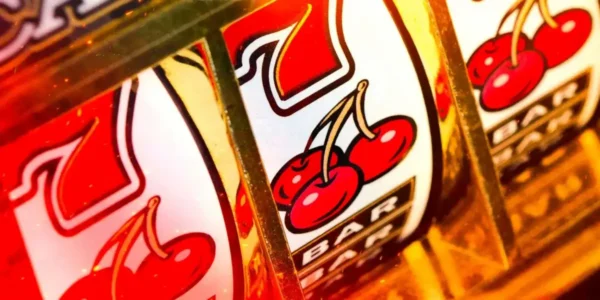
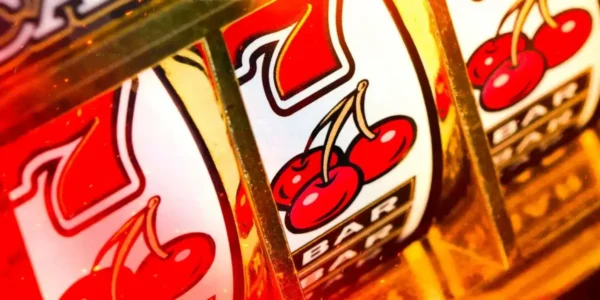
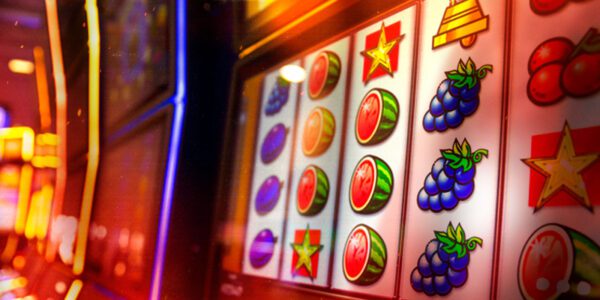
The first slot machine ever made was called the Liberty Bell, which was invented by Charles Fey way back in 1894. It had three spinning reels and five basic symbols: horseshoes, spades, diamonds, hearts, and, of course, the Liberty Bell itself.
The game was simple – drop a coin in, pull the heavy lever, and hope for that satisfying clunk of coins hitting the tray if you lined up the right symbols. It was a humble beginning, but over the next century, it would become an icon of the gambling world.
Holy Grail For Collectors
One of Charles Fey’s original slot machines, built in 1894, sold in 2017 for $225,000 (around £170,000). While that’s an incredible amount, with only seven believed to exist, that price tag may have been on the lower side!
Electronic Slot Machines & RNG Revolution
Things stayed pretty much the same until 1963, when Bally Manufacturing shook up the industry with the first electromechanical slot machine. Called Money Honey, it replaced the purely mechanical slots with electrical components that made the reels spin. All of a sudden, slots weren’t just mechanical boxes — they lit up, made noise, and felt more alive. It added a new layer of excitement that players hadn’t seen before.
The Video Slot Era
The real game-changer came in the late ’70s with the rise of video slots and the introduction of the first Random Number Generators (RNGs) — the technology that still powers online casino games today. These computer algorithms made sure every spin was completely random and fair. RNGs changed the game — literally. Suddenly, every spin could lead to unbelievable combinations, massive jackpots, and new bonus features.
RNG Changed the Game
By the early 2000s, slot machines had jumped from casino floors to online screens. Using all the inventions that came before it, from the early reels stamped with symbols, to the RNG algorithms that offered seemingly endless capabilities, people no longer need to dress up and head to the nearest casino.
Online Slots Today
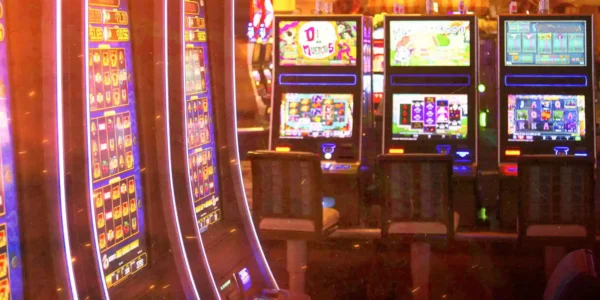
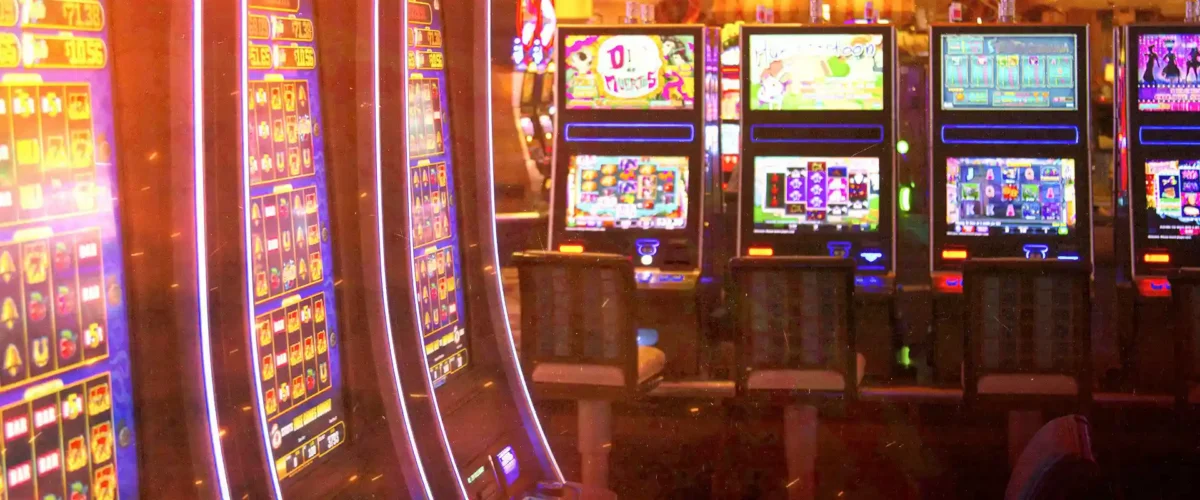
Online slots in 2025 are a whole different beast compared to the old days. They’re slick, fast, and packed with features that make them feel more like full-blown video games than simple spin-and-win machines. They have cool animated graphics, funny characters, soundtracks, and even basic storylines like those seen in the Age of the Gods or the Reactoonz series, which can be found on PokerStars. And because pretty much everything can be done online now, people can play online slots anywhere their phone can get an internet connection.
Visit Casinos from Home
With VR technology gaining momentum, the idea of stepping into a full-blown virtual casino no longer feels like science fiction.
What was once limited to simple screens and button clicks is gradually becoming more immersive. Instead of just spinning reels on a flat interface, players are starting to experience environments that feel more interactive and engaging.

But this shift didn’t happen overnight.
The Rise of Online Casino Experiences
Before VR entered the conversation, online casinos had already transformed how people interact with slot games.
Players no longer need to travel, dress up, or plan a visit. Everything is available instantly, from classic slots to modern video titles, all within a few clicks.
Over time, these platforms have become more refined.
Menus are easier to navigate, games load faster, and features like live dealers and interactive bonuses help create a more complete experience. Rather than simply replicating land-based machines, online slots have developed their own identity.
Platforms like PokerStars bring together a wide range of slot styles, from classic designs to feature-rich games, all within a single, accessible environment.
Mobile Gaming Changed Everything
Perhaps the biggest shift has come from mobile gaming.
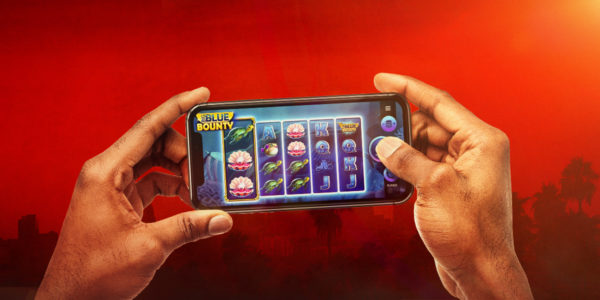
Slots are no longer tied to a desktop or physical machine. Players can now access games from almost anywhere, whether that’s at home, commuting, or simply relaxing with their phone.
This level of accessibility has changed expectations.
Games need to load quickly, run smoothly on smaller screens, and remain easy to navigate without losing their visual appeal. Developers now design with mobile-first experiences in mind, ensuring that gameplay feels just as natural on a phone as it does on a larger screen.
For many players, mobile has become the default way to play.
What Comes Next
VR represents the next step in this evolution.
Instead of tapping a screen, players could explore a fully interactive space, walking through a virtual casino and engaging with games in a more physical way. Slot machines may no longer be confined to a single view, but instead exist within larger, themed environments.
While this technology is still developing, it builds on everything that came before it.
Online platforms made slots accessible. Mobile gaming made them flexible. VR has the potential to make them immersive.
Pop Culture Games & Modern TV Show Slots
Somewhere along the way, slot machines became pop culture sponges. Developers realised that they could make slots even more fun by letting people play games themed around their favourite entertainment media. Maybe Elvis will bring the energy of ‘Viva Las Vegas’, or Bond lend a cool-headed mindset, or maybe even Walter White’s refusal to give up (without them ‘Breaking Bad’, of course).
Slots and pop culture now feed into each other — what used to be just a casino staple is now part of the entertainment ecosystem. Popular culture might have offshoots of a franchise, but slots will always be the original ‘spin-off’.
Why do slot machines appear so often in films and TV?
Because they’re instantly recognisable. The spinning reels and clear outcomes make them easy to understand visually, which is why they’re often used to represent chance, tension, or turning points in storytelling.
Related Slots Articles

FAQs
What was the first slot machine ever made?
How did slot machines become electronic?
What is an RNG in slots?
Why are modern slots so different from classic ones?
How did slots become part of popular culture?
Can you play classic-style slots today?

Top Content

Trending