Roulette Superstitions from Around the World
While fun should be the main priority, everyone wants to play roulette well, whether in person or at online casino platform like PokerStars. But despite centuries of development and modern systems implemented to stop players from getting an edge over the house, some still believe certain superstitions can make or break a session.
Players around the world have their own rituals and strange quirks, born across centuries and continents, which have stuck around. Some are ancient, and others formed within modern casinos. There’s no science, no mathematical evidence, and yet some players refuse to play if they don’t do certain things before approaching the roulette wheel.
The gambler’s fallacy
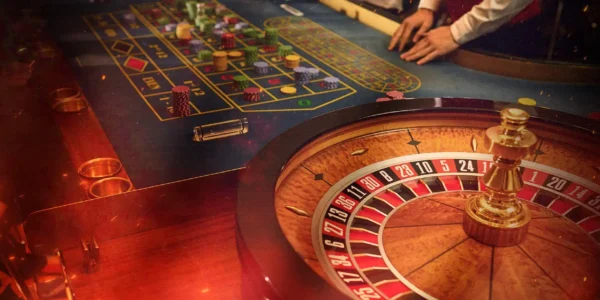
At almost every table, there’s a moment when the crowd leans in, convinced some kind of change is coming. Seven blacks in a row, surely it’s got to be red next? This belief, known as the gambler’s fallacy, is one of the oldest in roulette. The logic is simple and, on the face of it, makes sense. A pattern must balance itself out, and yet, probability and the laws of luck can never be predicted.
Still, some players get a sense of control using the gambler’s fallacy, and in land-based or during live dealer roulette games, players become confident, bets are increased, and the adrenaline starts building as they are sure they’re in for a payout. During online games, such as those on PokerStars, outcome trackers enable players to notice patterns more easily. With that being said, the history of outcomes does not guarantee future outcomes.
Other Roulette Articles
Hot, Cold, and Sleeping Numbers
Alongside streaks come the myths of hot and cold numbers. A hot number is one that appears more frequently during a session, whereas a cold number shows up only a few times or not at all. Then there are “sleeping numbers,” which some players believe are waiting to make an appearance or “wake up”.
Mathematically, of course, a sleeping number is just as likely or unlikely to land as any other. Each spin of the wheel is independent, and the result is just as likely to be the same as any other pocket on the wheel. That doesn’t stop players from looking for patterns and building false confidence in a particular number or colour. The reason for this is that humans are hard-wired to look for cause and effect, much like how people see images in clouds.
At PokerStars live roulette tables, the history display can feed this instinct as players can see what numbers and colours have shown up during the game, making the patterns seem more obvious. Some players back hot numbers, believing they are on a roll, while others chase cold ones, convinced it’s their time to shine.
Lucky and Unlucky Numbers
Many people have lucky numbers, or unlucky ones they stay away from. In the casino world, the number seven is the most famous. In the West, it represents fortune, a good omen, and is even regarded as spiritual or mystical. In East Asia, eight carries that same kind of reputation, the pronunciation of the word itself resembling the word for wealth. Thirteen, however, has been linked to bad luck and misfortune in Western folklore, which is why many players refuse to play land-based or online roulette games on Friday the 13th.
Lucky or unlucky numbers aren’t just confined to those examples, as some players will always back their wedding date or their child’s birthday, convinced that their association with the numbers will somehow boost their luck.

The Colour of Fortune
Most casino classics focus on colour, from blackjack to roulette, with some that are regarded as having superstitious powers. One location where this is particularly believed is in Chinese culture, where red is connected to happiness, wealth, and good fortune. This is why the colour can be found throughout, from wedding dresses to decorations. At the roulette table, that view is also carried over, with many favouring red over black when making their bets.
Lucky Shoes, Ties and Pants
In other traditions, lucky clothing makes some players feel more confident at the wheel. They may have special ties, old shoes, or even lucky underwear. These dress rituals are about more than just fabric; dressing up in clothing that they associate with previous good luck or happy moments, hoping that they can replicate the success in the casino.
This isn’t limited to playing in person, however, as some players who play online roulette on PokerStars also choose to wear a certain piece of clothing, even when sitting at home in front of their screen. While it may seem unusual to sit on the sofa wearing a vibrant tie or a pair of shoes that have seen better days, to the player, it boosts confidence.
Not Everyone Believes the Same
Numbers also play an important role in South American casinos. In Brazil, the number 13 is sometimes flipped from unlucky to lucky, opposite to the Western view of the number. In Argentina, favourite lottery numbers influence roulette too, with some players backing numbers connected to their favourite football players or dates connected to loved ones, which they use for all games they enjoy playing.
Traditional Charms and Tokens
As well as clothing, charms and tokens are arguably the most common and easily noticeable symbols of gambling superstition. There’s the classic rabbit’s foot, four-leafed clover, coins, pendants, or even photographs tucked into pockets. In brick-and-mortar casinos, players sometimes stroke or kiss these objects just before a spin, as if activating some divine power to manipulate the result.
Protective Charms
The “evil eye” is a superstition found across Turkey, Greece, and North Africa. It represents misfortune caused by jealousy, especially when other players seem to be on a hot streak. Many players carry charms in the shape of an eye, often blue, to ward off bad luck when spending time at a casino.
Making the Perfect Entrance
In some countries, many players refuse to use the main entrance because they worry that the bad luck of players leaving the building will somehow rub their misfortune onto them. Luckily, those playing in virtual casinos like PokerStars don’t have to worry about that.
Don’t Leave the Luck Behind
Just as some players are particular about how they enter a casino, there’s also a long-held belief about leaving the right way. In certain traditions, walking out straight after a win is seen as bad luck, as if the good fortune will soon turn sour after leaving the roulette wheel too early. Others believe the opposite, that leaving straight after a successful spin lets the player keep their luck saved up for another time.
Some players even avoid exiting through the same door they entered, worried that retracing their steps may reverse the good energy they built while inside the casino. In brick-and-mortar casinos, this might lead to players heading for side doors or taking much longer routes to get out.
Other Roulette Articles

Myths around Money
In the United States, one superstition surrounds the fifty-dollar bill, with some players refusing to use them as it can be unlucky. It is believed that this story could have come from the mobsters’ connection with Las Vegas and gambling, as they were known to slip fifties into the pockets of their victims, and the fear around the dark practice has stuck around.
Another superstition surrounds lending money at the table or roulette wheel. To hand chips to another player is said to pass luck over with them. There’s also the chance that the player lending money could win with those chips, leaving the loaner wondering if they would have had better luck if they had kept and used them instead.
When to Count Money
Another popular superstition is that money should never be counted at the table. Some call it disrespectful and in poor taste, while others see it as tempting fate. The unspoken rule is that pride always comes before the fall, so it’s best not to flaunt fortune, as there’s always a way for things to go sour at the roulette wheel.
Body Language and Superstition
Even feelings in the body have superstition connotations. Across African and Native American cultures, an itchy palm indicates that money is on the way. The same is believed by many in Serbia and is seen as a cue to hit the casino. In parts of Eastern Europe, the same sensation is considered a warning that a loss of money is just around the corner. It’s interesting that different places around the world can have such contradicting superstitions, and it shows that culture plays a huge part in different beliefs.
Posture and Personal Habits
Superstitions don’t end with just objects, however, as doing certain actions with the body has become its own charm. In some cultures, people crossing their legs while betting is believed to block bad luck. Others believe repeating an action, like tapping the table, eating a snack, or rubbing a coin, can control their luck. While there’s no science or evidence that doing these kinds of things can change the result, it doesn’t stop people from doing these habits, even when playing roulette online.
Trust Gut Instinct
A superstition that isn’t just limited to casinos is “gut instinct”. It’s that sudden compulsion to certain numbers, colours, or decisions without any logical reason to back it up. Psychologists believe this comes from the brain’s ability to remember patterns and past experiences, even if it’s subconscious. While there’s no proof that intuition can guide players to a win, it still adds to the enjoyment of the game, giving them a sense of being more personally involved.
Whistling Welcomes Losses
One widespread superstition in many countries is that whistling at the table can bring misfortune. The idea comes from old mining and sailing folklore, where whistling was thought to “call the wind” or invite disaster, and some players have carried this habit into casinos by avoiding it during roulette spins.
Touching Wood for Luck
A ritual popular across Latin cultures is touching wood before placing a bet. Similar to the “knock on wood” superstition recognised worldwide, it’s thought to protect against bad outcomes or even shield players from getting jealous during games. Some even bring small wooden trinkets with them as good-luck charms when they sit at the table, so wood is always easily accessible.
Lucky and Unlucky Days Around the World
In Greece, Tuesday has been seen as an unlucky day, especially if it lands on a 13th, due to the historical connection to the fall of Constantinople in 1453, which is believed to have happened on a Tuesday. Some players carry this belief into the casino, avoiding games on that day completely.
Other countries have their own variations. In Italy, Friday the 17th is considered super unlucky, which again is different to the Western belief about Friday the 13th. Many Italian roulette players also avoid playing land-based or online roulette on that date as they believe it’s a recipe for disaster.
In Japan, cultural calendars known as “rokuyo” mark certain days as more fortunate than others. For example, “Taian” days are regarded as especially lucky for weddings, making business decisions, and sometimes even for gambling. By contrast, “Butsumetsu” days are believed to be the unlucky ones.
In India, days connected to astrology or religious festivals can also influence people’s gambling decisions. Some players believe starting a session on a day connected to a positive planet alignment will lend power to the wheel.
Famous Figures and Their Roulette Superstitions
One of the most famous roulette stories involves James Bond actor Sean Connery. While in Saint-Vincent, Italy, in 1963, Connery claimed he placed three bets in a row on the number 17 and won each time. The odds of this happening are incredibly low, and despite an ex-publicist, Jerry Juroe, later saying it was part of a staged promo, the story still became a casino legend.
Francois Blanc, a 19th-century casino entrepreneur who earned the nickname “The Magician of Monte Carlo,” also has a famous myth about him. Legend has it he struck a deal with the devil to win at roulette every time, a story fuelled by the coincidence that all the roulette numbers add up to 666, the number associated with the devil. While clearly a folklore tale shared by those who believed in supernatural forces, it cemented Blanc’s mysterious reputation and helped bolster the popularity of roulette.
Why Players Still Believe in the Superstitions
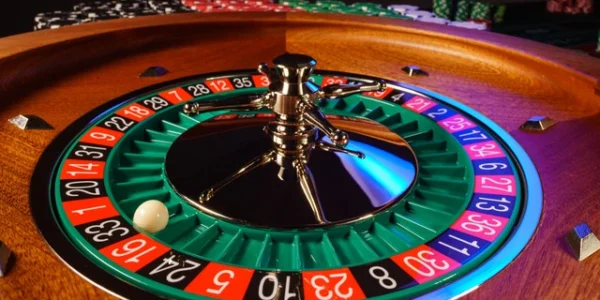
The truth of the matter is that every roulette wheel spin is unique, and the chance to land on a particular colour or number will always remain the same, no matter what the player tries to do to change it. Yet, the superstitions surrounding the game carry on, passed from generation to generation, from one culture to another. Psychologists call it a way of creating control in situations where the player can’t do anything to help their chances.
Regardless, having quirky rituals doesn’t hurt anyone else, and as long as players don’t blindly trust their superstitions to help them and start placing unhealthy bets, it’s just another fun aspect to an already exciting game.
FAQs
Do roulette superstitions actually affect the outcome of the game?
What is the most common superstition in roulette?
Why do players still use charms or lucky clothing?
Are lucky and unlucky numbers the same everywhere?
Why do online casinos show past results?

Top Content


Trending