The Top French Card Games You Should Know
France has a rich history of card games that dates back through the centuries. Many of these games have become beloved games not just in France but for others around the world and on online casinos too.
The games range from simple, family-friendly games to more complex, strategic games that require an element of skill and experience. Let’s look at some of the most popular French card games and their origins.
Why are hearts, diamonds, clubs, and spades used almost everywhere?
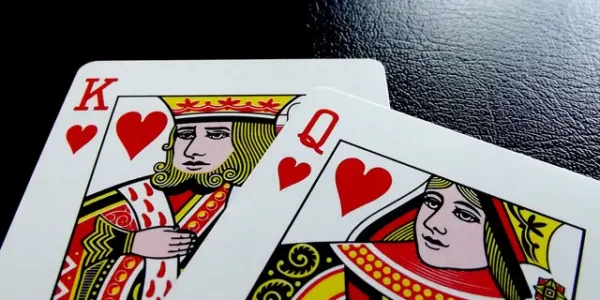
The familiar suits found on modern playing cards originated in France during the late Middle Ages. Their simple designs were easier for printers to reproduce, helping French-style cards become the standard deck used throughout much of the world today.
How French Card Games Influenced Modern Gaming

France has played a surprisingly important role in the history of card games. In fact, many of the playing cards used throughout the world today are based on the French suit system of hearts, diamonds, clubs, and spades.
Before French cards became widespread, different regions of Europe used their own symbols and designs. The simplicity of French suits made them easier and cheaper to print, helping them spread across the continent and eventually around the globe.
French card games also influenced many modern trick-taking and partnership games. Elements seen in Belote and Piquet, such as bidding, teamwork, and strategic card management, can still be found in numerous contemporary card games. Even some casino favourites share concepts that originated in traditional European card-playing culture.
This lasting influence means that French card gaming heritage extends far beyond France itself and continues to shape the way people play cards today.
Belote, the national card game of France
Belote is one of the most popular card games in France, enjoyed by children and adults alike. It is widely considered the national card game of France and is often played in homes, cafes and social clubs. The game dates back to the early 20th century and is typically played with a deck of 32 cards, with all cards below 7 removed.
Belote is played by four players who are divided into two teams. The goal is to score points by winning tricks, with certain cards holding higher values than others. The game features a bidding system where players can declare a ‘trump’ suit that increases their chance of winning the trick.
Belote is particularly appealing because it uses a unique blend of strategy, skill and teamwork. Players have to carefully assess the strength of their hand, anticipate moves made by their opponents and work with their partner to beat the other team. This combination of factors means that no two rounds of Belote are ever the same, making it a game that can still be enjoyed to this day.
Piquet, a game for intellectuals
Piquet is another classic French card game, this time dating back to the 16th century. It was once the preferred game of French nobles. It is a two-player game that uses a 32-card deck and is renowned for its strategic elements. The game’s emphasis on skill and strategy is what has earned Piquet a reputation as a game for intellectual card players.
The game is divided into six phases: dealing, discarding, exchanging cards, declaring, playing tricks, and scoring. Players have to choose which cards they discard and exchange to improve their hand. Piquet also requires a series of declarations, where players announce combinations of cards they hold, such as sequences of sets of the same rank.
Jeu de Tarot
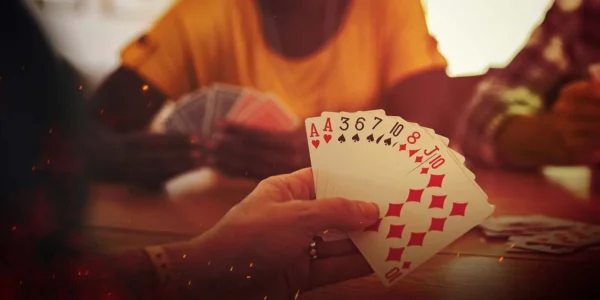
Tarot is usually associated with fortune-telling, but it’s also the name of a popular French card game. Jeu de Tarot, its full name, is played with a special 78-card deck, which includes 21 trump cards and a card known as ‘the fool’. The origins of Tarot are unclear, but it has been played regularly in France since at least the 18th century.
Tarot is a trick-taking game for four players, with one player acting as the ‘declarer’ who plays against the other three. The objective is to win a certain number of points, done by taking tricks that contain cards of a high value. The ‘fool card’ adds a unique twist, as it can be played at any point to protect a player from losing a trick.
La Bataille
La Bataille, known simply as War in English, is a simple card game in France that is perfect for children. Played by two players with a 52-card deck, each player simultaneously reveals the top card of their deck, and the player with the higher card wins both cards. If the cards are of equal value, this is where the ‘war’ aspect of the game ensues, with each player placing cards face down before revealing another card to determine the winner.
Related Card Game Articles

A Rich Tradition of French Card Games
French card games offer a fascinating blend of history, strategy, and social interaction. From the tactical teamwork of Belote to the intellectual challenge of Piquet and the unique gameplay of Tarot, these games showcase the rich card-playing traditions that have developed in France over centuries.
Their influence can still be seen throughout the modern gaming world, from the playing cards we use today to the mechanics found in many contemporary card games. Whether played around a family table, in a café, or online, French card games continue to entertain players of all ages and skill levels.
For anyone interested in card game history or simply looking to try something new, these French classics provide an excellent place to start.
FAQs
What is the most popular card game in France?
Is Tarot only used for fortune-telling?
Are French card games difficult to learn?
Why do many card decks use French suits?
Can French card games be played online?
Which French card game requires the most strategy?

Top Content



Trending